
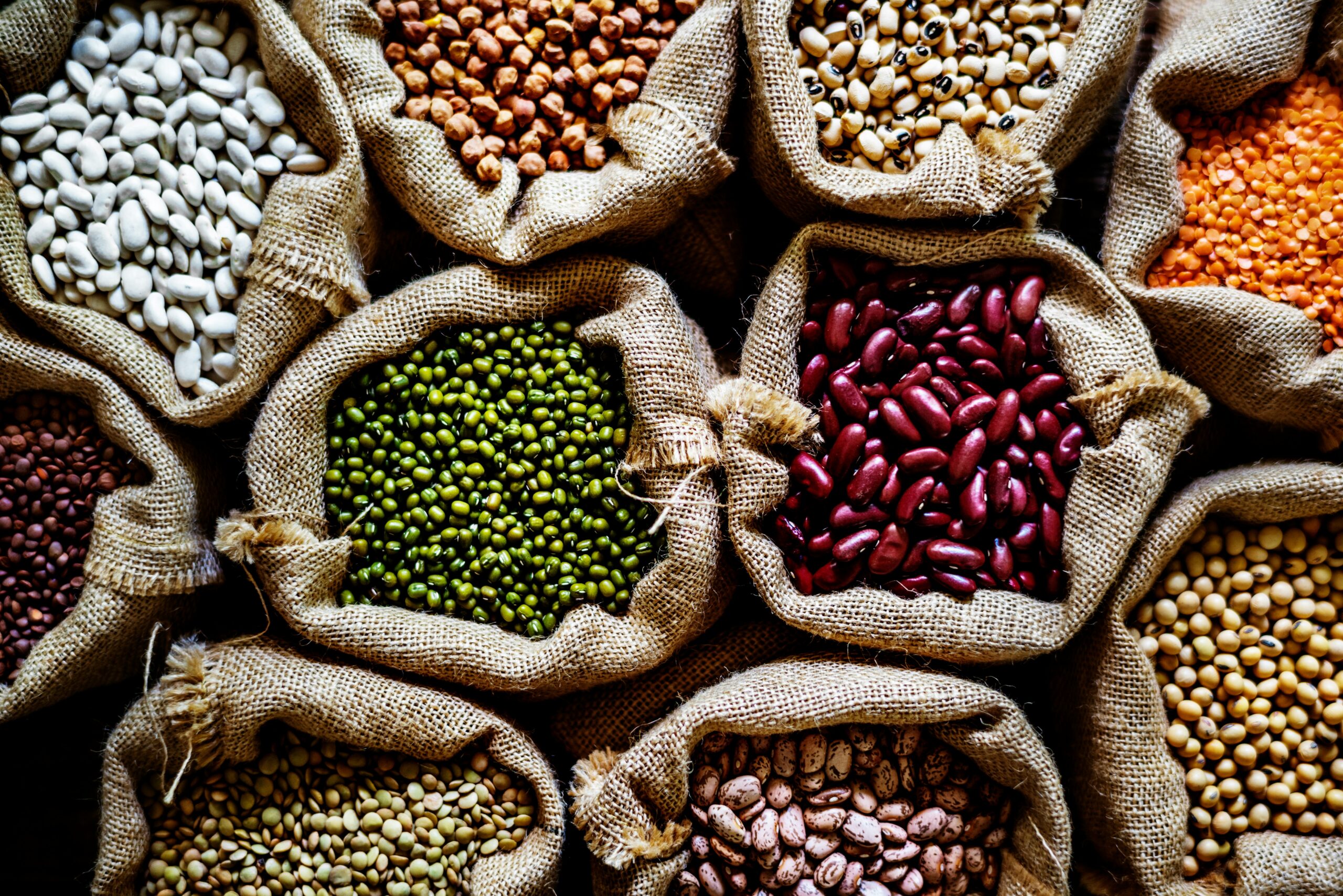
Big news for beans and pulses this month as more supermarkets, restaurants and caterers committed to the ‘Bang in some beans’ campaign.
In its first year, 49 businesses have joined the campaign, with 31 ‘Keen Bean Pledgers’ signing up to sell more beans. The likes of Lidl, Sainsbury’s, Marks and Spencer, Bidfood, Brakes, Elior, Baxter Storey and Waitrose, are all creating new products and launching new dishes to encourage us all to eat more beans, pulses and legumes.
New research this autumn also shows combined sales of beans, pulses, tofu and tempeh grew by 7.3% in the first half of this year compared to the same period in 2025. Sales of sandwiches containing beans (pulses and legumes) increased by 20%.
And Waitrose revealed this week that beans are outselling rice across its stores: “Creamy white bean varieties are surging across home menus [and] aquafaba has officially ‘broken out of the jar’,” noted the supermarket in its 2026-27 food and drink report.
Humble pantry staples like creamy white beans have become “menu superstars”, explained Waitrose Executive Chef, Stephen Perkins-Knight, being used in dairy-free sauces and “holding their own” in pasta dishes or tossed fresh salads. He also likened aquafaba, the starchy water (or stock) that beans come in, to “liquid gold”: delivering the “luxurious emulsion” of egg whites or heavy cream, it’s being used in plant-based pastry and “great sauces”, he added.
Bang in some (more) beans
Packed with protein, fibre and essential micronutrients, and boasting a low carbon footprint, the growing popularity of pulses and beans is good news for our health and that of the planet.
The crops also help build soil fertility and growing pulses alongside other agricultural crops can contribute to farm diversification and economic resilience. As Jospehine Heger noted in her recent FoodShines report on the best approach to push pulses in the UK: “Pulses can play a crucial role in the transition towards more sustainable dietary patterns in the UK. They have one of the lowest environmental footprints of all protein sources.
During cultivation, leguminous plants fix atmospheric nitrogen in the soil, thereby reducing the need for synthetic crop fertilisers alongside associated costs and GHG [greenhouse gas] emissions. They improve soil organic matter and soil structure while their flowering plants attract pollinators and enhance biodiversity.”
Heger looked at strategies in Denmark, Flanders, and Sweden to build a picture of what a UK strategy for encouraging pulses cultivation and consumption might look like. She found that pulses are “full of potential” but have “been marginalised”. With interest in them growing across the supply chain from farmers to consumers, now might be the time to pull a number of levers, such as targeted incentives (including financial ones) for farmers and encouraging more procurement of pulses through the public (for example schools and hospitals) and private sectors.
Bean innovations are certainly now happening up and down the country – and in unexpected places, from football stadiums to university campuses. Contract caterer Levy has for example developed bean dishes for Premier League match day menus, while Subway had the biggest increase in bean sales in 2026: its campaign for a new jacket potato product, Spudway and 5 Bean Chilli, drove a 70% jump in bean sales.
Wall’s has added beans to its Jumbo Sausage Rolls and Scotch Eggs making them high-protein and a source of fibre. Indeed, this is not about replacing beef with beans or chicken with chickpeas; often the new products are ‘hybrids’ – a mix of meat and plants.
A super-market for sustainable proteins
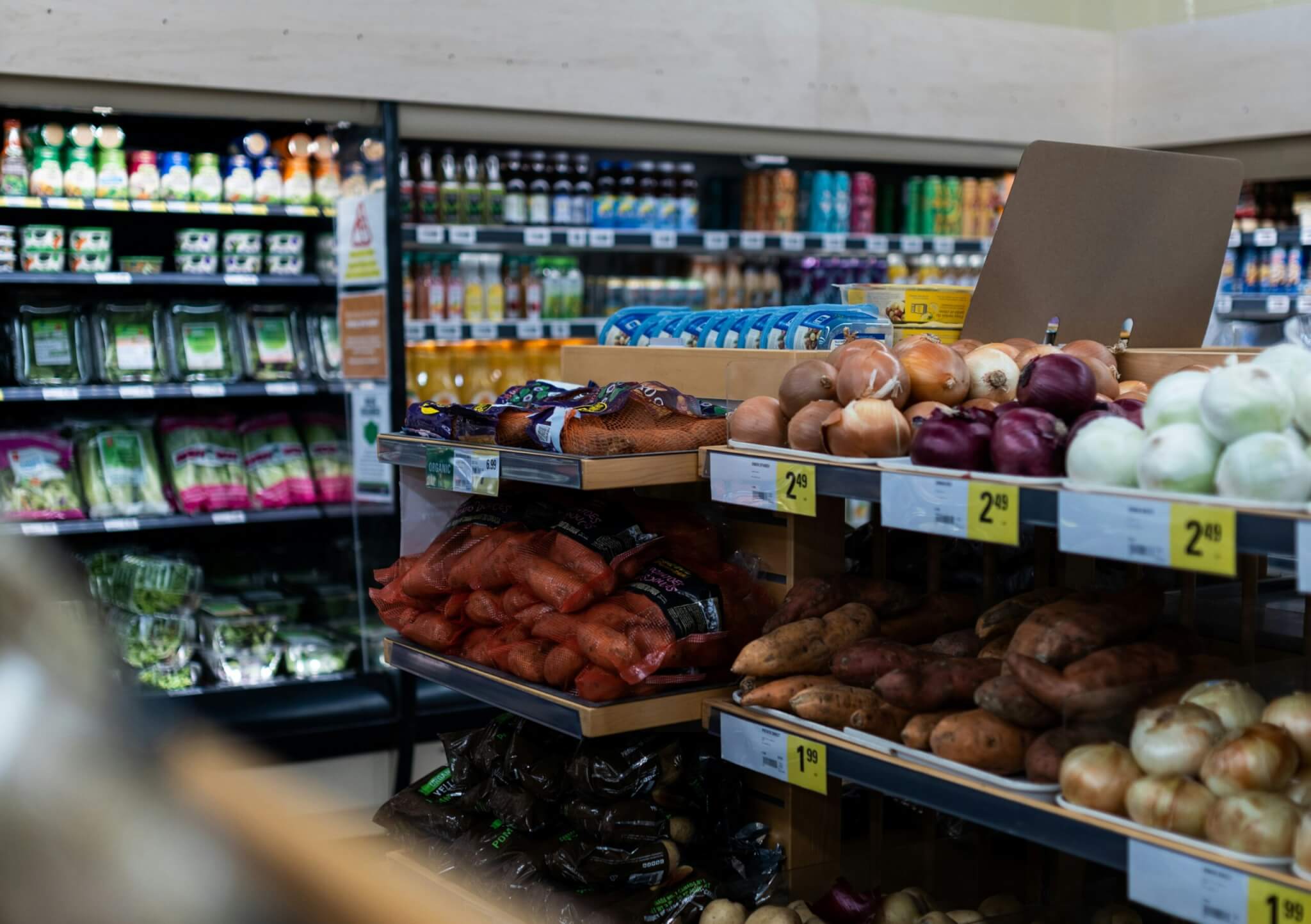
Food retailers have a major role to play as they face more pressure to re-balance their protein sales so more plants feature more regularly in everyone’s shopping baskets.
Sainsbury’s has experimented with making beans more visible in store, as has Tesco. “We need to be part of a mission,” explained Bold Bean founder, Amelia Christie-Miller, in a social media post this week on the topic of where foods like chickpeas, butter beans and lentils sit in stores.
She wrote: “When Sainsbury’s put our beans in the meat aisle, unit sales rose 115%. When our baked beans went next to sourdough in Waitrose, sales went up +170%. When Ocado put our beans in their nacho meal deal, 65% of the shoppers who bought it were new to Bold Bean. Same beans but they just showed up where people were already planning a meal.”
Supermarkets account for more than 80% of our calorie intake, and as such have a responsibility to offer the most convenient and appealing options for customers who want to eat more plants, or add a variety of nutrients, protein and fibre to their diets, noted the international climate advocacy organisation, Madre Brava.
Their research shows that UK shoppers are shifting towards simpler, higher-fibre plant proteins, rather than dumping them. Using NielsenIQ data, the analysis Britain backs beans: Health and affordability is driving growth of plant proteins, shows beans, pulses, tofu and tempeh growing 7.3% (10.1% in value) versus the same period last year.
Plant-based meat alternatives do not fare so well, declining 4.3% in the number of units sold versus January to June 2025. “The bounce back in plant-based sales shows consumers are choosing foods that are a win for their health, their budgets and can compete on taste,” said Madre Brava UK director, Sarah Ayech.
The positive news for pulses and beans could be down to health trends and affordability, with the combination of protein and ’fibremaxxing’ favouring plants and inflationary pressure pushing up meat prices.
Research published in September by Green Alliance, a think tank, showed that replacing 17% of red and processed meat purchases every week with UK grown bean and pulse-based meals could save households £95 a year and “would contribute to major water savings and a healthier and more resilient UK food system”.
The Bang in some beans campaign aims to double UK bean consumption by 2028, with 82% of Keen Bean Pledgers already reporting an uplift in bean sales.
Almost one in five (19%) people say they are eating beans two or more times a week (up from 14% last year),” according to the Food Foundation.
Some 79% of schools taking part in the campaign reported their pupils ate more beans at lunchtime over the last year and this is set to increase further with the new School Food Standards in place from Sept 2027.






0 Comments