
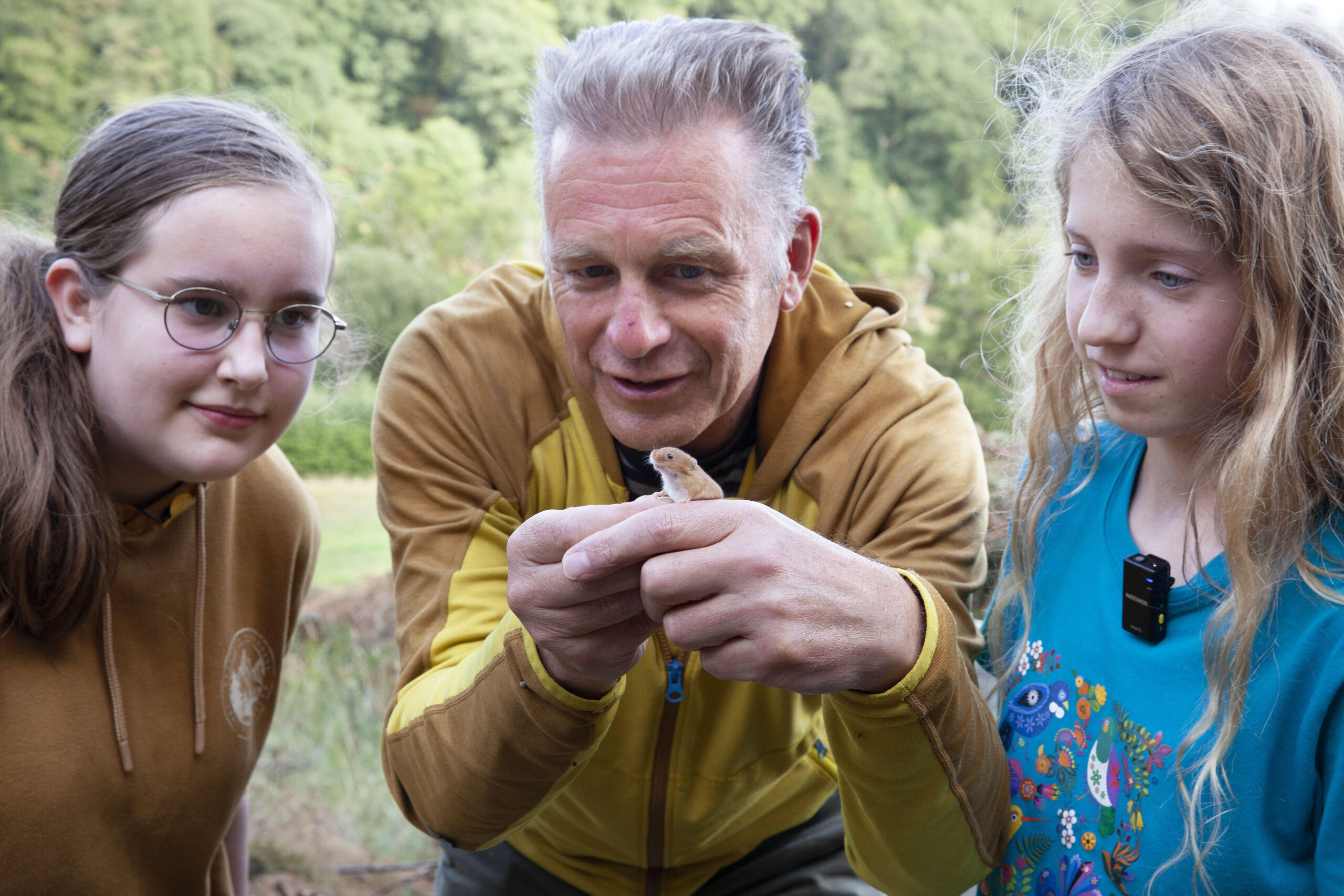
The UK is one of the world’s most nature-depleted countries. Decades of intensive and industrial agriculture have ravaged our landscapes. Right now, three quarters of the country has ecosystems that are highly degraded and it is this natural emergency that’s motivated two children to take direct action and restore wildlife populations themselves.
This is why Eva Wishart and Emily Smith, two 14-year-olds from Tiverton, founded Wild Pets. It’s a conservation project that is bringing a network of like-minded children together. The aim is for young people to breed threatened native species in their own homes, under the supervision of trained ecologists, swapping house pets for harvest mice.
“This is about getting real experience with conservation, connecting the youth of today, and safeguarding the planet for our future. We want to inspire others, while making a difference to our biodiversity,” explains Emily.
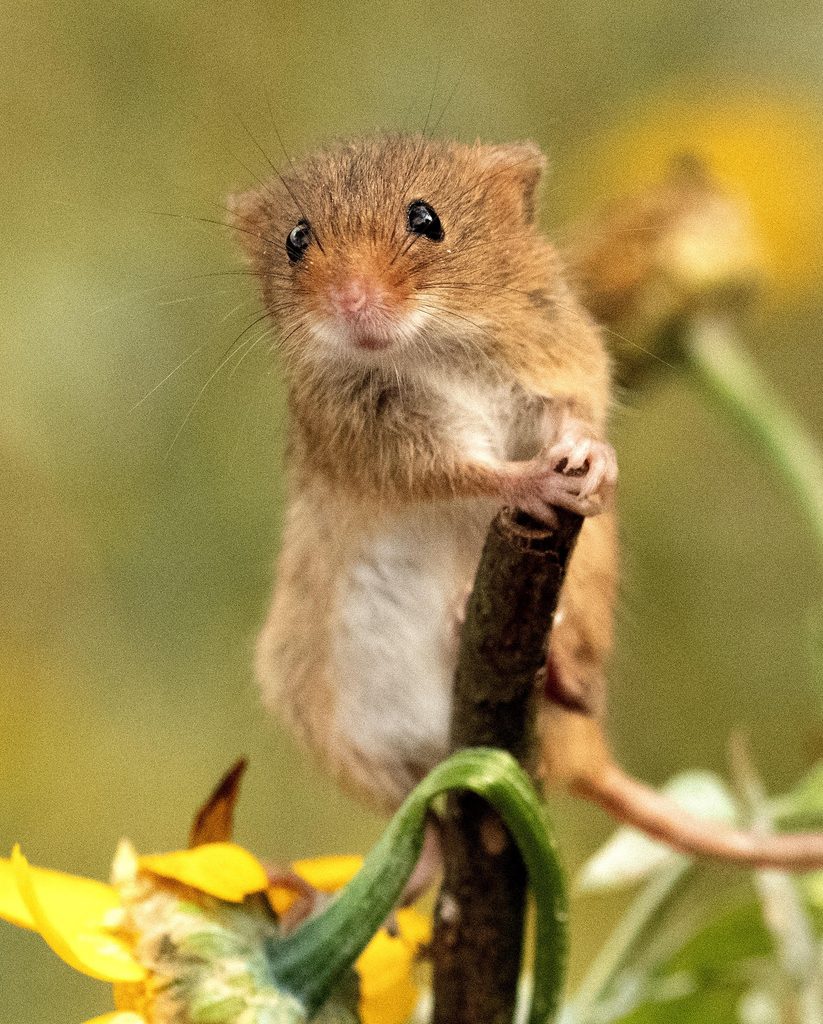
The project starts with the harvest mouse, Britain’s smallest rodent. Once common, this iconic creature has been decimated by intensive agriculture. The aim is to boost depleted numbers via people’s garages and outhouses. The mice will then be released into the wild at secure sites. Eva and Emily are already experienced conservationists, having bred many mice over the last few years.
“Everything you see in the news is negative about biodiversity collapse, climate change and fossil fuel use. So it is nice to do something positive and hands on,” explains Eva.
Inspiring the next generation
Wild Pets, which was a runner-up in Prince William’s junior Earthshot prize last year, is now recruiting 20 children, aged eight to 13, from across Devon to be part of their ‘citizen captive breeding’ programme. They’ve already been inundated with 140 applications. The deadline ends this December.
This project is being supported and supervised by ecologist and rewilder Derek Gow, and the husbandry team at his Rewilding Coombeshead initiative, which has a long history of captive breeding programmes for beavers, water voles, white storks and other species.
Back in 2022, then 10-year Eva Wishart visited Derek Gow’s Species Recovery Centre and was motivated to start breeding harvest mice at home.
“We need more doers like Eva and Emily; if we had 10,000 people in the Southwest, all doing their little bit for nature recovery, then we could achieve so much more. We are certainly going to need all the help we can get, because the natural environment is in for a wild decade ahead with many more climate extremes predicted,” states Tom Humphreys, Outreach Manager at Rewilding Coombeshead.
He adds: “It’s the link with pets that works here. Children love nurturing hamsters or stick insects. It means these young people already understand how to care for animals. So why not swap pets for British native species that need help instead? Some children are already doing this with frog spawn or the chrysalides of butterflies in their gardens.”
Giving young people agency
In an age when many young people feel disenfranchised by the climate and nature crises, Wild Pets offers hope. It also gives them agency and a sense of empowerment – creating opportunities for motivated individuals to take action and make a positive difference, as well as inspire a new generation of conservationists and ecologists. The project also highlights the UK’s depleted environment and the need for nature recovery.
“It ticks so many boxes. It’s also about friends coming round to visit these wild pets, or young people bringing the harvest mice into school – this is much more than we could ever do to spread the word. Children can be an agent of change. There is also a wider conversation here about the health of our natural environment,” explains Humphreys.
He continues: “With Wild Pets children have to talk with the owners of their release sites if they are looking to disperse say 20 harvest mice into a habitat next summer. They need to understand whether pesticides and herbicides have been used at a release site. Harvest mice can’t vomit so if they imbibe something toxic, it can do them serious harm. A poisonous landscape affects these rodents much sooner than humans.”
There are reasons why native species like harvest mice have become scarce in recent years, whether it’s habitat loss, intensive farming, predators running out of prey, or rising use of glyphosate and other herbicides and pesticides. The extreme summer heatwaves in the UK had a particularly detrimental impact – the harvest mouse is now classified as ‘near threatened,’ and some experts estimate that the decline in numbers across the country could be as much as 70 percent.
“We will be teaching the participating kids that the natural environment in the UK does matter. Its health is in our hands. And it’s up to us to escalate and stress the importance of this to the younger generation,” points out Emily.
Wild Pets has already received a lot of media attention and celebrity endorsement from the likes of naturalist, Chris Packham, who has called it “a truly sensational idea.” The duo, alongside supporting families and friends, have raised over £5,800 with a target of £20,000, via their own Crowdfunder page. Eva and Emily are also supported by the Devon Environment Foundation.
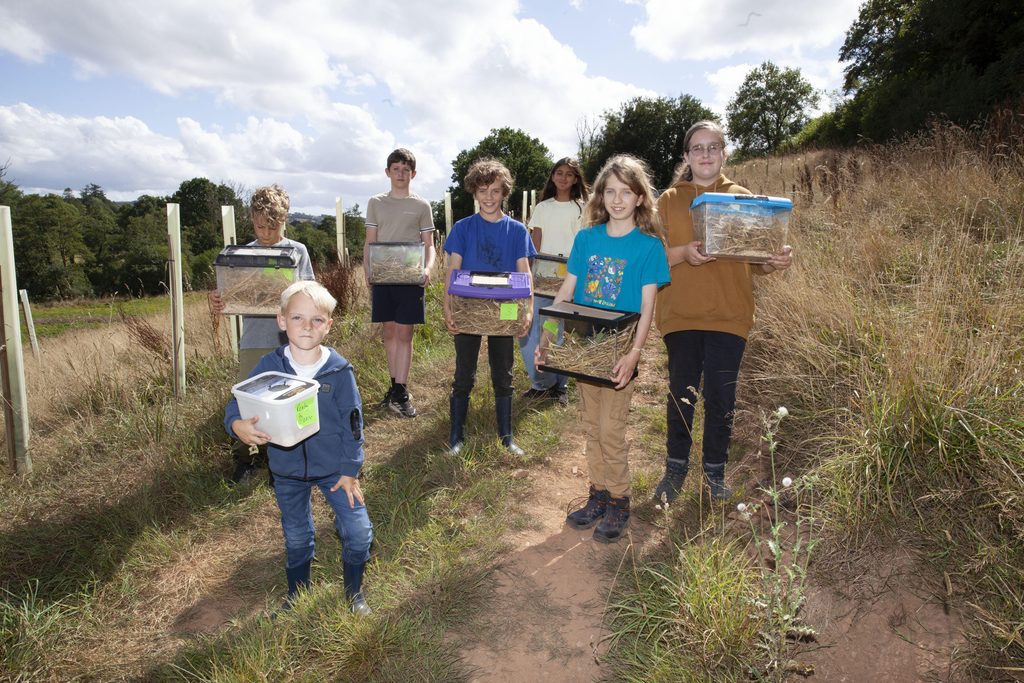
“Younger kids can really look up to these two and be inspired. Wild Pets also meets the need of children wanting to nurture something. It also helps them realise it is not forever when the harvest mice are released. These mice can also then be prey to owls and foxes. It’s a very meaningful lesson in how nature works,” states Amanda Keetley, Executive Director of Devon Environment Foundation.
She adds: “Wild Pets could be an incredible way of getting kids inspired and connected to our environment, it does feel hopeful if the younger generation are part of a movement that is putting things back through nature recovery.”
The pilot project in Devon could just be the start too – the ambitious teenagers have their sights set on going countrywide. They also want to move beyond harvest mice to other native British species in decline including frogs, the common lizard, stag beetles, and glow worms.
“Everyone thinks my generation is just sitting around doomscrolling and vaping. It is just not the case. There are those that are trying to make the planet healthier and into a place where everyone can be happier,” concludes Eva.
Main image credit, Chris Packham with Eva & Emily, by Karen Robinson

0 Comments