

Many delegates at the recent National Farmers Union conference in Birmingham received some rare good news, with Defra Secretary Emma Reynolds confirming details of the revamped Sustainable Farming Incentive (SFI) subsidy scheme, which had been abruptly shut down in early 2025, sparking alarm and frustration in farming circles.
The SFI is essentially designed to pay farmers in England to manage land to boost nature recovery, protect soil and restore hedgerows, amongst other environmental actions.
Reynolds outlined how the relaunched scheme – which was first brought in to replace EU subsidies following Brexit – was being delivered in two rounds this year, one in June and then one in September, with the first round of funding open to smaller farms (between three hectares and 50 hectares in size) and first time applicants, the latter for larger farms.
The minister told the conference that the new scheme would deliver environmental benefits as well as boost food production, and said that whilst future subsidy payments for individual farms would be capped at £100,000, the Government wanted more farmers to benefit from the scheme.
She added that the revamped version of SFI “weeded out” those funded actions that were not delivering sufficiently for either the environment or food production. Assessments had found that previously, one quarter of available SFI subsidies had been going to just 4% of farms – something the minister said “wasn’t right” and had, in part at least, prompted the reforms designed to ensure that funding was shared more fairly.
The announcements were broadly welcomed by major industry bodies, with Tom Bradshaw, president of the NFU, saying that the reformed scheme appeared “to strike the right balance between simplifying the process and maintaining flexibility”.
Small farmers “excluded”
But not everyone is happy, and rightly so.
The Landworkers Alliance (LWA), which represents many smaller-scale farmers across the UK, immediately highlighted that the new scheme will exclude farmers and growers operating on fewer than three hectares of land. Whilst welcoming the early application “window” for smaller farms and the £100,000 cap on subsidies, the LWA said it was “hugely disappointed” that many of its members would be penalised under the new rules.
The group said that small farms under the 3 hectare threshold “can be highly productive”, citing fruit orchards, soft fruit and vegetables and mixed small-scale livestock farms that are “supporting wildlife and biodiversity in remarkable ways.”
Defending the country’s smallest producers from the often-cited “hobby farm” label, the LWA said many such outfits were “serious businesses delivering food and numerous social and environmental public goods.”
“Because of their commitment to providing local food for their communities they can be the backbone of food security, fitting hand-in-hand with climate resilience, the preservation of rare plant and livestock breeds, biodiversity and soil conservation,” the group said.
Defra has said the decision to exclude smaller producers from the new SFI scheme followed discussions with the farming sector and reflected recommendations made in the recent Farming Profitability Review. The LWA said that it had also been “made aware” that there had been “complaints within Defra that serving the needs of the very smallest farms required too much administration.”
Either way, the latest SFI package is no doubt a considerable improvement on the previous, highly controversial, Common Agricultural Policy (CAP) subsidy scheme (phased out in UK post-Brexit) which was dogged by repeated allegations that it handsomely rewarded the largest farms and landowners, and sometimes even those known to be causing environmental harm.
Controversial CAP
Because of the distortion in the CAP, subsidies go to the rich and not enough support reaches those who really need it: farmers on the brink of bankruptcy, small agroecological farms, and all those who want to transition to more sustainable practices. Marco Contiero, Greenpeace EU’s agricultural policy director
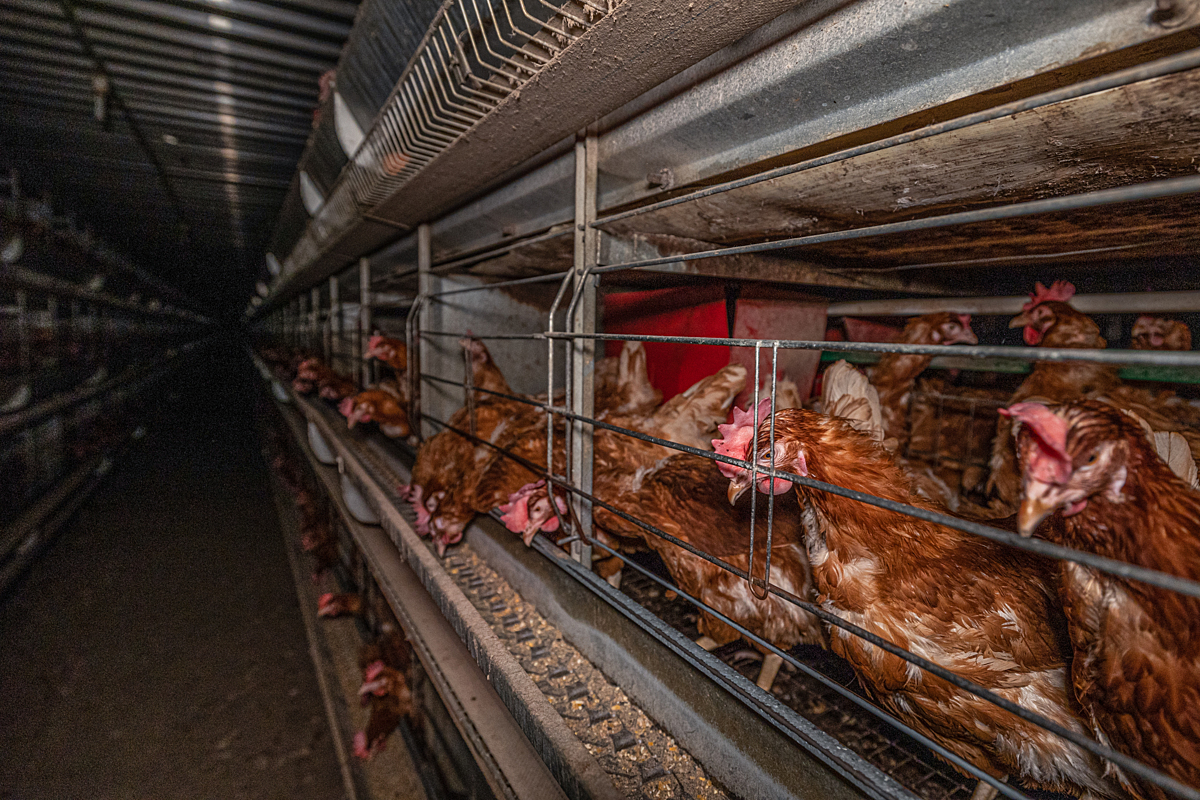
Only last year there was uproar after the disclosure that UK chicken farms linked to pollution of the iconic River Wye had received millions of pounds in subsidy payments. Investigators had found that at least £14m of public funds was paid out over a three-year period to farm operators in the counties surrounding the rivers: Herefordshire, Gloucestershire, Shropshire, Monmouthshire, Worcestershire and Powys.
More recently, in Europe, where CAP is still operational, the scheme once again came under fire after revelations by Greenpeace that just a small number of “rich” landowners and industrial farmers “siphon off” the lion’s share of the subsidy budget, with just 1% of recipients taking as much as 40% of the total money paid out in some countries. The problem, highlighted after campaigners analysed subsidies payments data, found that “some of the richest people in Europe receive large chunks of taxpayers money” in six key countries, including Germany, Italy, the Netherlands, Spain, Denmark and the Czech Republic.
Marco Contiero, Greenpeace EU’s agricultural policy director, said: “Because of the distortion in the CAP, subsidies go to the rich and not enough support reaches those who really need it: farmers on the brink of bankruptcy, small agroecological farms, and all those who want to transition to more sustainable practices. There is no societal value in fuelling inequality, destroying nature and undermining the long-term viability of food production itself. The next CAP urgently needs reforms that serve the public good, instead of simply lining the pockets of wealthy landowners.”
The Greenpeace report was followed by further concerns about the subsidy scheme’s priorities in the EU. According to research published last month, “high-emissions” beef and lamb farming received an estimated 580 times more subsidies than producers of legumes such as lentils and beans in(€8 billion compared to just €14 million).
The charity Foodrise also found that the dairy sector received an estimated 500 times more CAP payments than nuts and seeds (€16 billion compared to just €29 million). Overall, the research revealed, the EU had directed three times more CAP subsidies to production of high-emitting meat and dairy than to plant-based foods in 2020 – around 77% of total CAP subsidies for farmers (€39 billion out of €51 billion).
When findings such as this over in mainland Europe are considered, the revamped subsidy approach in England should, overall, be firmly welcomed. But Defra’s failure to recognise and support England’s smallest farms in the new SFI roll out remains bizarre, unfair and at odds with the government’s wider food security and climate policies. There’s clearly more work to be done.
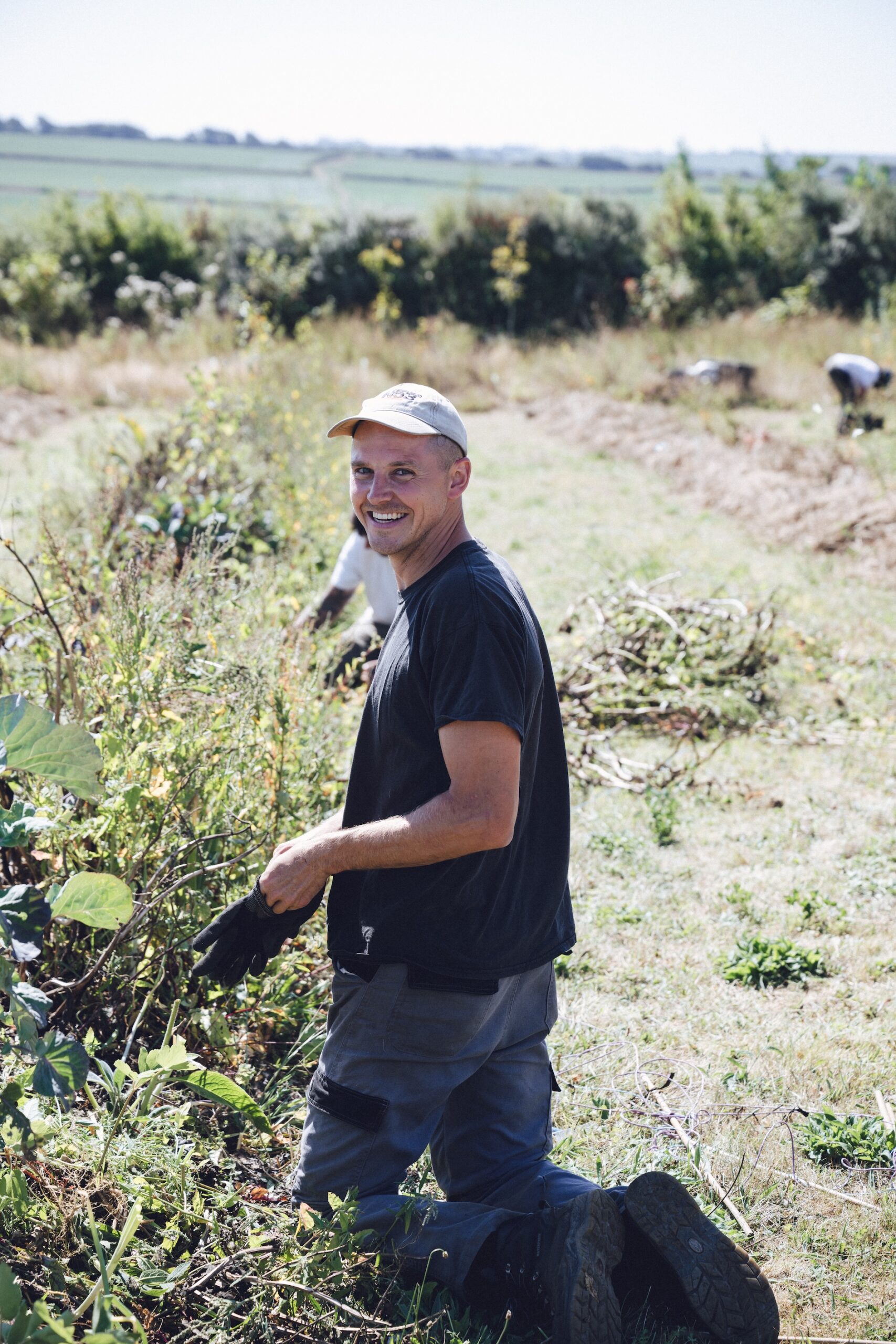
Photograph by Emma Stoner
The AGtivist is an investigative journalist who has been reporting on food and agriculture for 20+ years. The new AGtivist column at Wicked Leeks aims to shine a light on the key issues around intensive farming, Big Ag, Big Food, food safety, and the environmental impacts of intensive agribusiness.



0 Comments