
Defra needs a “radical reset”, said Minette Batters in June. The department responsible for the environment, food and rural affairs lacks “commercial expertise”, the former President of the National Farmers Union (NFU) told MPs.
“At the Cabinet table in the last Parliament, the previous Parliament and in this Parliament, food is not at the heart of Whitehall. It is not represented,” she explained, adding: “At the moment we are leaving Tesco to run the show. It does a very good job, but what if? Now we have to prepare for the ‘what if’ and you have to bring the food expertise into this.”
‘What if’ there was a new prime minister and fresh new cabinet, for example? And that is what we now have.
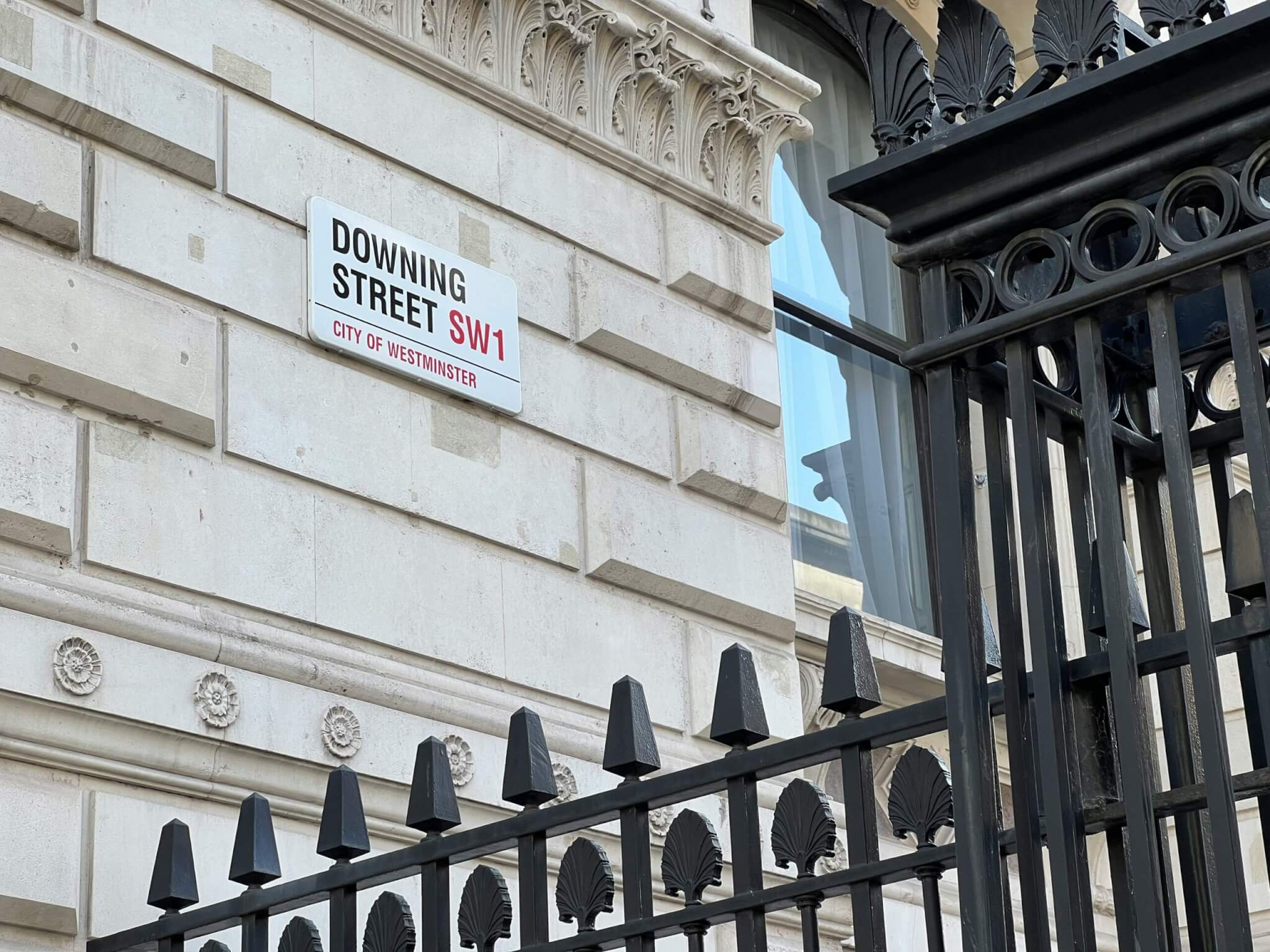
Andy Burnham moved into Number 10 Downing Street this week, replacing Sir Keir Starmer, and has already appointed many new faces to Cabinet. This includes Angela Eagle, the new Defra Secretary of State, who in the past few weeks has boomeranged from Defra (where she was farming minister) to the Home Office (as Security Minister) and now – back to Defra.
That the Eagle has re-landed is welcome news for a farming sector craving some kind of consistency after years of inconsistency and inferiority. Eagle will bring experience not only of the department but the farming brief – which she is reported to have got to grips with quickly in her role as minister.
“A familiar face means the industry won’t have to start from scratch in bringing a newcomer up to speed on the issues that matter,” explained Farmers Guardian editor, Katie Jones in her reaction to the news. “But stability at one desk means little if the wider picture keeps shifting beneath it. For now, much hinges on what the new Prime Minister decides to prioritise,” she added.
So far, food has not merited a mention (not even a mutter). Burnham has instead made (a little more) clear his intentions relating to water and energy as he takes on the cost of living crisis.
There is something to be said for his promotion of Miatta Fahnbulleh: “Those who believe Andy Burnham will step up oil and gas production in the North Sea – including Donald Trump – may be surprised by his choice of new Energy Secretary,” noted the Financial Times this week.
Indeed, as a close ally of Ed Miliband, the man she replaces and who is now foreign secretary, Fahbulleh is likely to offer a degree of constancy at the Department for net-zero and energy security. She has even suggested our net-zero target be brought forward. “We will sprint to clean power, because that is the route by which we achieve energy security for the country … we are on the right side of history and on the right side of consumers,” she once said as Energy Minister.
Food security is Eagle’s greatest challenge. How to define it is one of her toughest tasks. The farming lobby wants more food, grown at home, as well as looser planning rules to build everything from reservoirs to intensive poultry sheds (with drought a perennial problem, saving water makes sense; producing more and more chicken and all the environment-devastating poo that comes with it, does not).
British does not mean better food. But it could.
Take something as basic as the 83% of fresh fruit and 45% of vegetables we import. Homegrown produce is more insulated from these shocks, but too much of it still depends on imported inputs, fertiliser and, for our livestock, feed. This means the whole system stays hostage to global volatility, noted Kath Dalmeny, Chief Executive at Sustain, the alliance for better food and farming, this week. “Food is where the cost of living and the changing climate collide, and farmers feel it first,” she added.
Dalmeny is among those backing a Good Food Bill to provide long-term nutritional security and protection for citizens and farmers alike, including with legally binding targets for food insecurity, fruit and veg consumption and obesity.
Anna Taylor, Executive Director at the Food Foundation, is another supporter of the Bill. Her organisation this week produced research showing 12.2% of households are food insecure, while affordability remains a barrier to people eating more healthily. Taylor called on “urgency” from Burnham and his team to protect the most vulnerable families.
Prices will continue to rise due to conflict and climate change. By November, food prices will be 50% higher than they were in 2021, according to the Energy and Climate Change Intelligence Unit, a think tank.
Leaving this up to Tesco to fix is folly. Supermarket price wars are part of the problem.
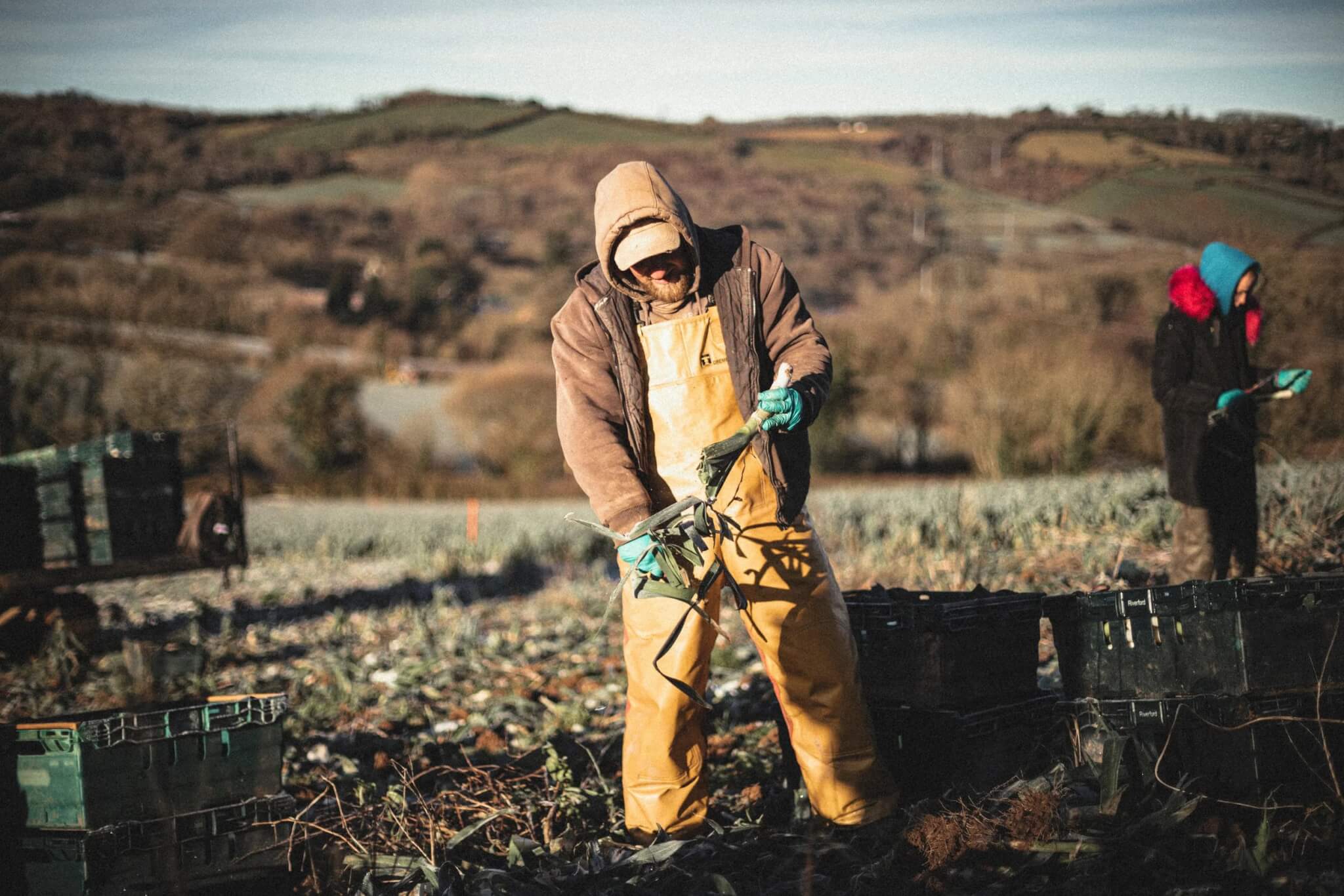
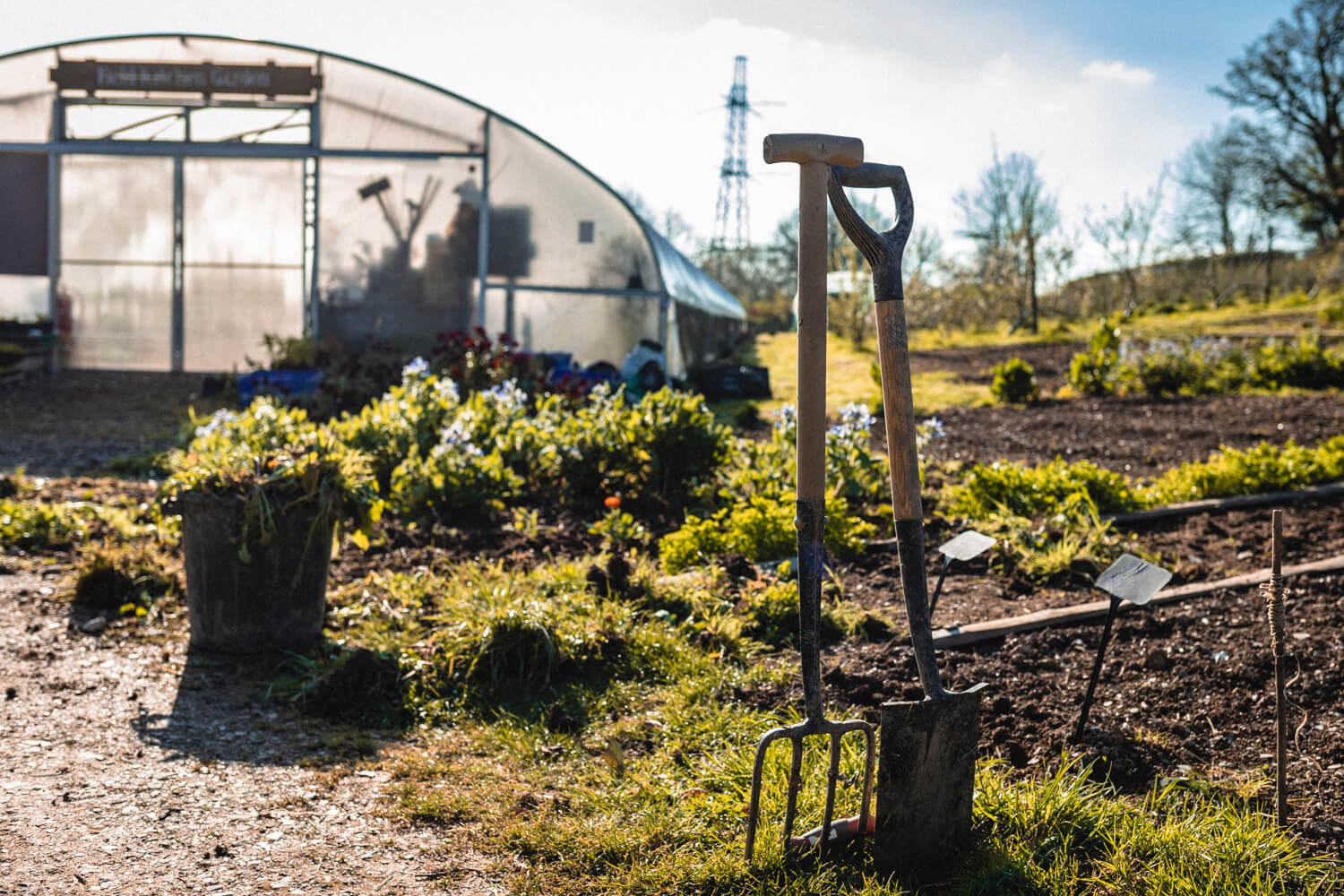
The little farms need help. Processed food must be pricier. Fresh fruit and veg, and healthy options, have to be more affordable. Meat consumption must be managed. Organic and regenerative farming must be backed with bigger budgets.
Burnham has so far seemed to have little appetite for intervening in food supply chains in the way he says he will for energy or water. But the same fragility he wants to fix runs straight through our food system too, warned Dalmeny. “[A] government serious about the cost of living can’t keep treating farming livelihoods, natural resources and our daily food as essentials that can be secured through market forces alone,” she added.
Supporters of the Good Food Bill point to England’s fuel poverty regulations of 2014, before which efforts to improve energy efficiency in low-income homes were patchy and slow – voluntary, discretionary, and vulnerable to being quietly deprioritised. This will be familiar to those with an interest in food policy.
The regulations imposed a legal duty to ensure fuel-poor homes reached minimum energy efficiency standards by 2030, transforming the policy landscape and forcing coordinated national action, and providing local authorities and the housing sector with a clear obligation to plan against. The credibility of the commitment also attracted sustained investment.
A briefing on the Good Food Bill highlights how a statutory framework for food would do the same – embedding direction into law so that successive governments inherit clear obligations rather than starting from scratch, and so that progress compounds across parliaments rather than resetting with each one.
The briefing reads: “Britain has had no shortage of food strategies, reviews, and commitments. What it has lacked is a durable framework that ties them together, ensures they are delivered, and survives changes in government.”
This week marked another change in government leadership. Time will tell if this new, resilient approach lands with Eagle, or if Defra and the wider cabinet continue to keep their heads buried in the sand.
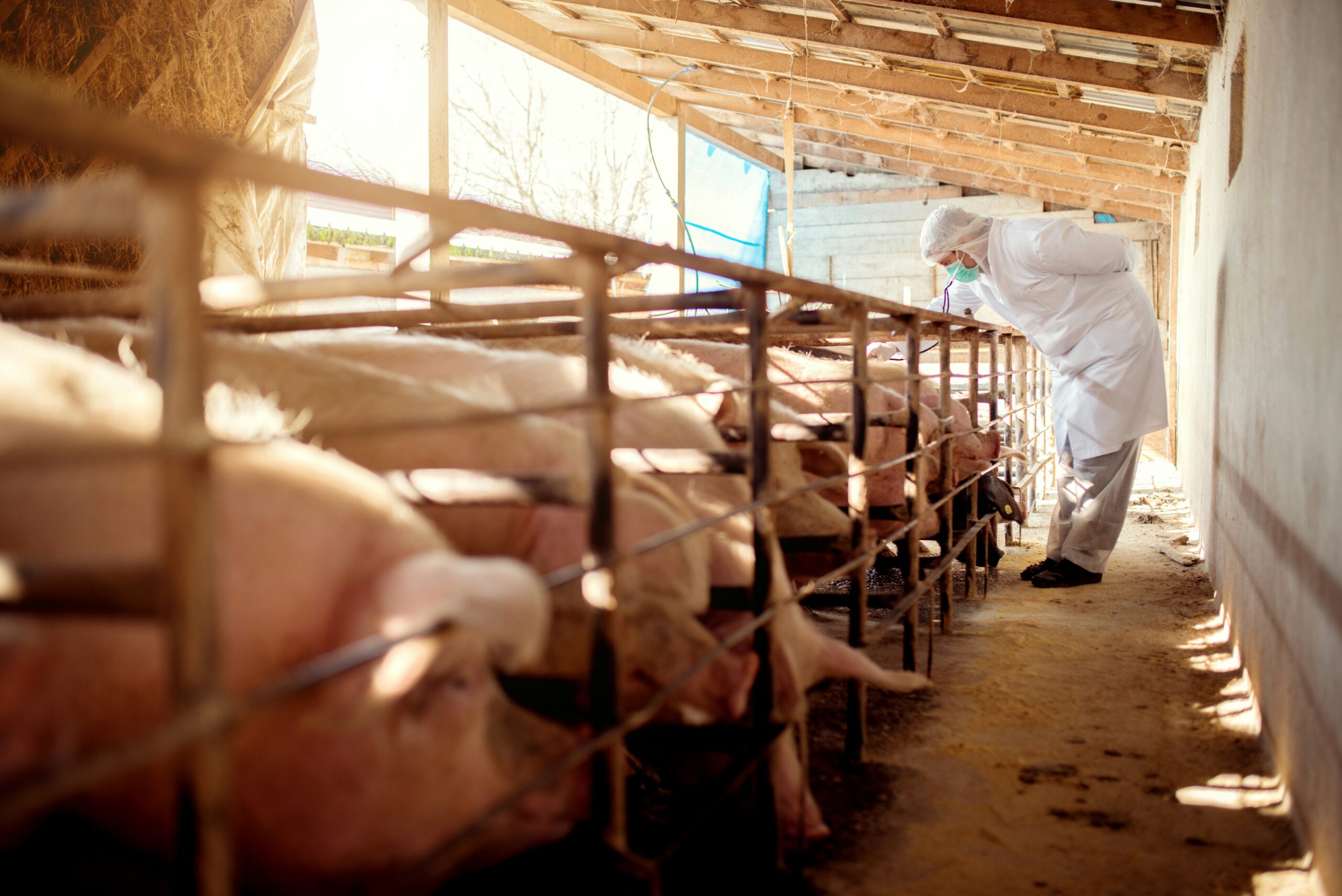
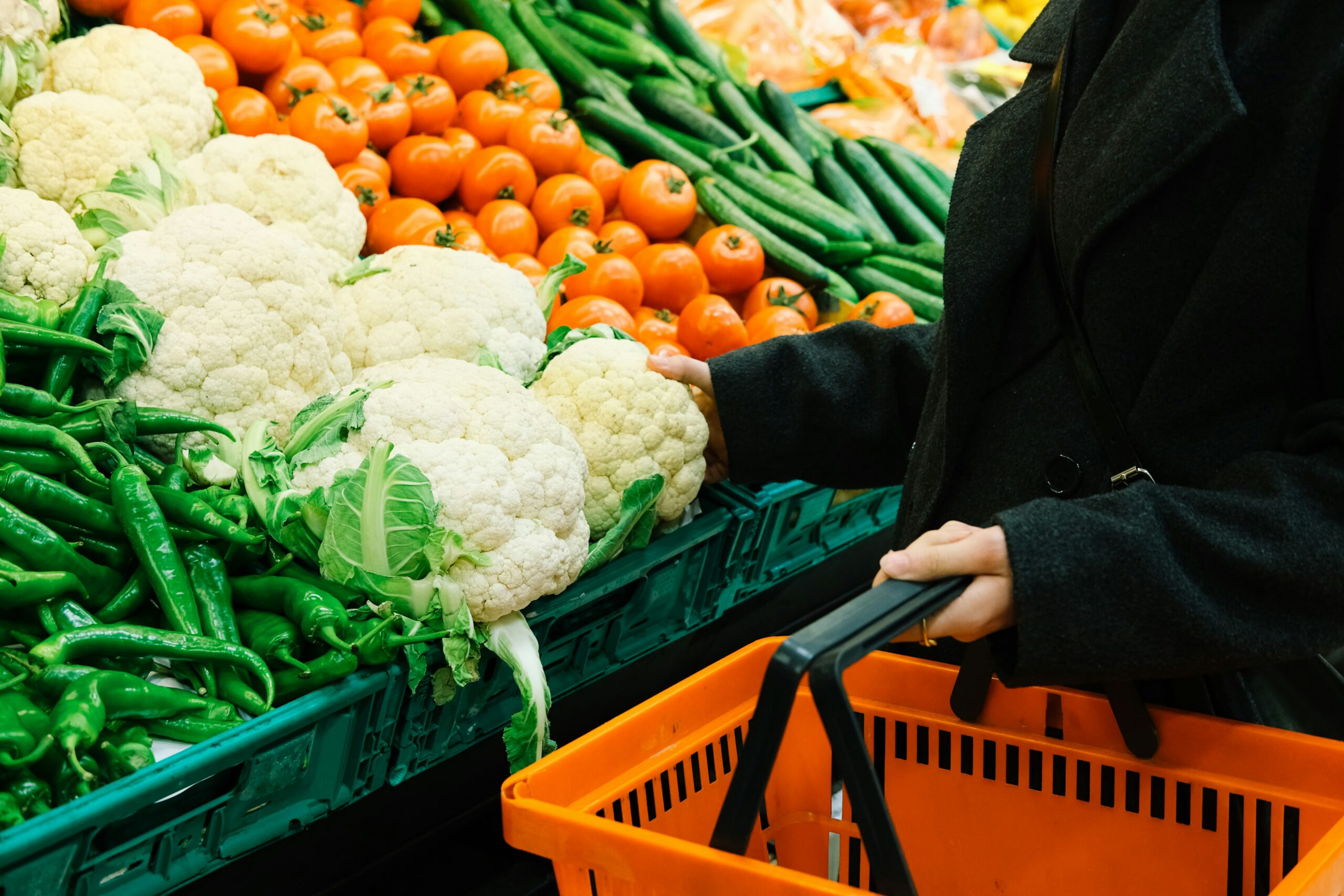
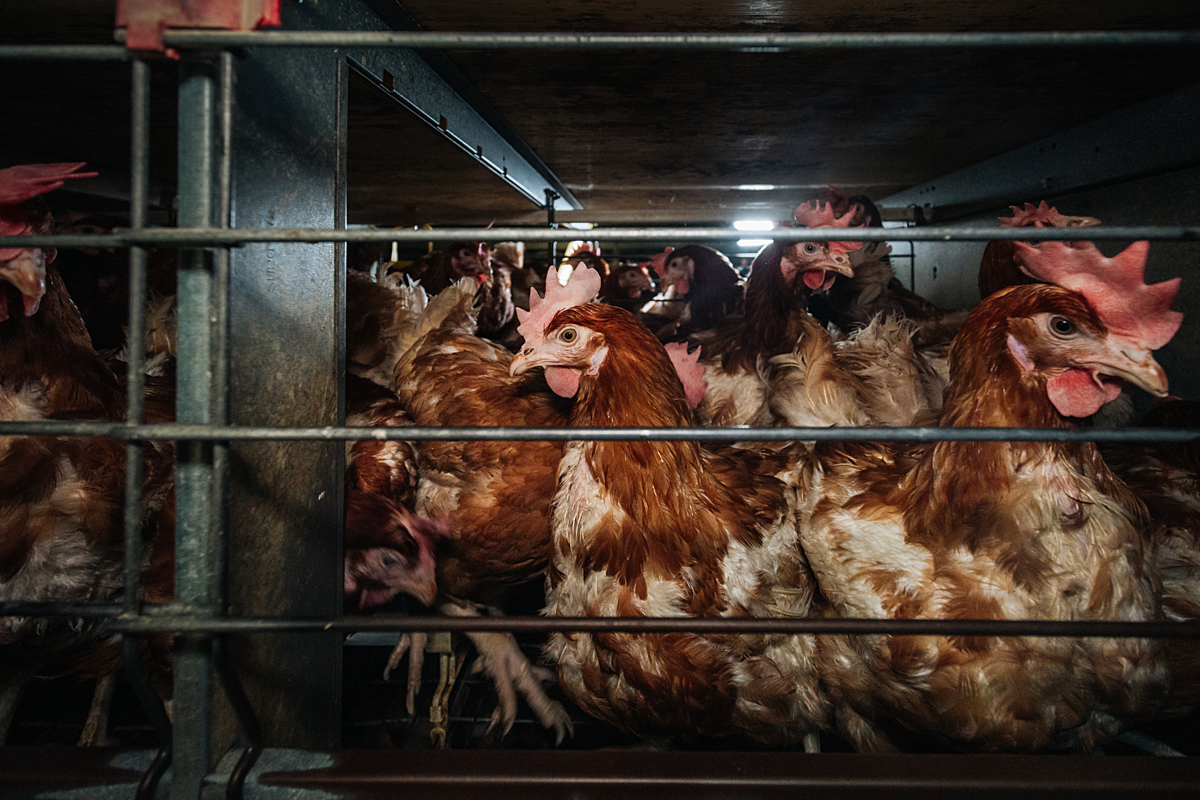


“Prices will continue to rise due to conflict and climate change. By November, food prices will be 50% higher than they were in 2021…
…The little farms need help. Processed food must be pricier. Fresh fruit and veg, and healthy options, have to be more affordable. Meat consumption must be managed. Organic and regenerative farming must be backed with bigger budgets.”
Imagine taxing UPFs and giving the money to farmers and growers to support UK grown, organic whole foods…..!! What a game changer. What are the possible issues? (genuine question)