
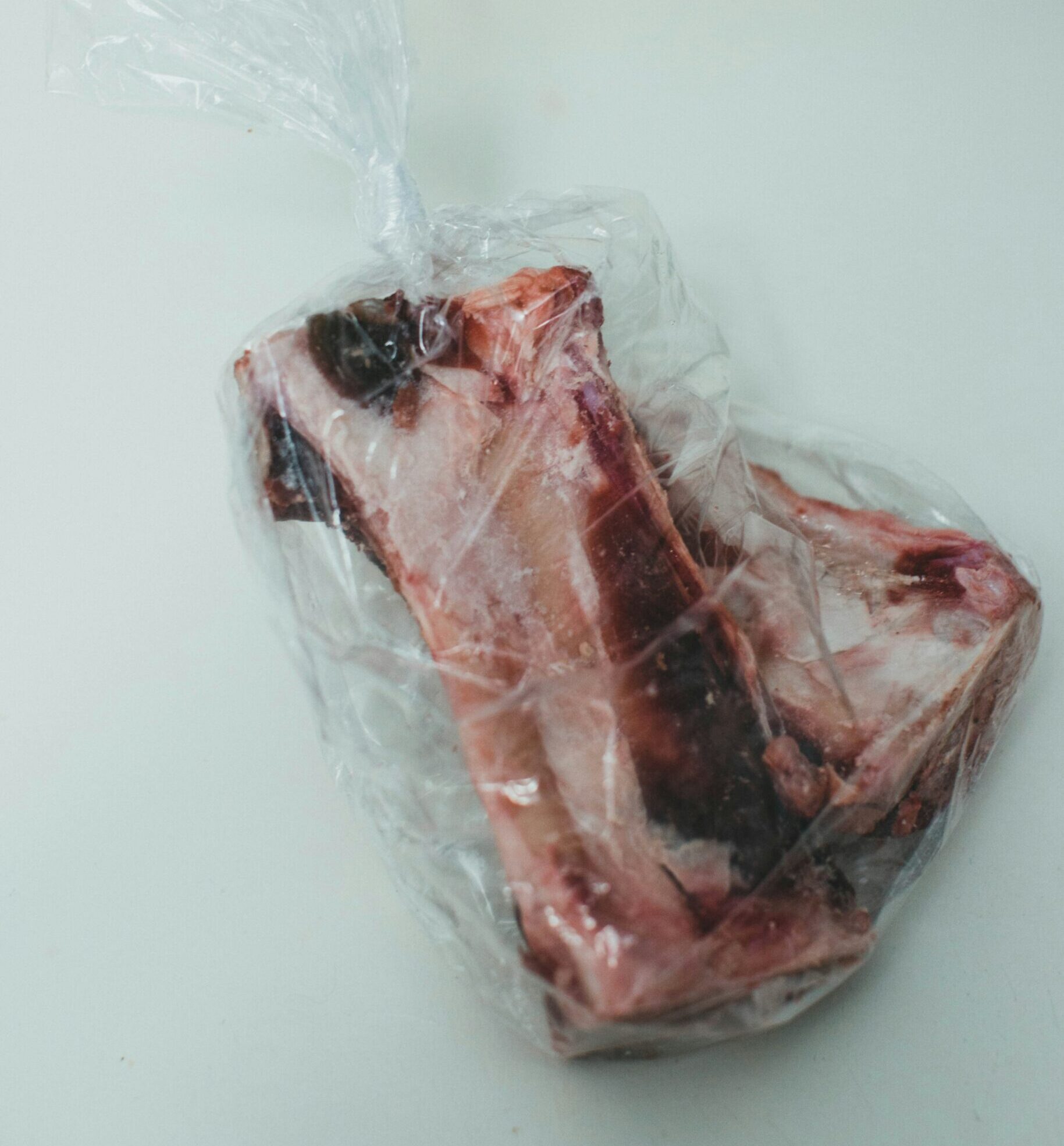
Farming chiefs are urging the UK government to ban imports of Brazilian chicken and beef in response to concerns over antibiotic use in the country’s livestock sector. The calls come as the European Union looks set to impose an embargo on Brazilian meat products early next month after the South American country failed to demonstrate that it was complying with European standards governing the use of veterinary medicines.
EU rules prevent the import of meat derived from animals treated with certain critically important antibiotics reserved for human medicine, or antibiotics used for growth promotion (where drugs are deployed to fatten up farm animals). The use and overuse of antibiotics in livestock production has led to the spread of drug-resistant “superbug” variants of many food-borne diseases, including salmonella, campylobacter and E.coli, which can cause serious illness amongst consumers and sometimes prove deadly.
The UK’s National Farmers Union (NFU) has demanded that the UK government align with Brussels and impose a “precautionary ban” on imports of Brazilian chicken and beef unless ministers obtain assurances that products are being produced to the same standards as UK meat.
Earlier this month, Tom Bradshaw, the NFU President, said: “Unless there is full confidence that Brazilian meat has been produced responsibly, the government should take the same precautionary approach as the EU and ban the import of Brazilian products.”
The NFU also warned that a failure to block Brazilian meat exports to the UK risked meat originally destined for European markets being diverted to Britain, which could distort trade and put pressure on domestic producers. The union said that the government “had a responsibility to ensure imported products did not present a risk to public health.”
It’s not just the NFU lobbying for restrictions. Alistair Carmichael, Chair of the Environment, Food and Rural Affairs Select Committee, waded in just days ago and called for ministers to take action, arguing that “Leaving the floodgates open to Brazilian beef risks becoming a threat to us all – not just our farmers.” He also cited the wider “environmental and public health ramifications” of “a wave of Brazilian animal products” potentially hitting UK shelves following any EU ban.
“Critically important” medicines
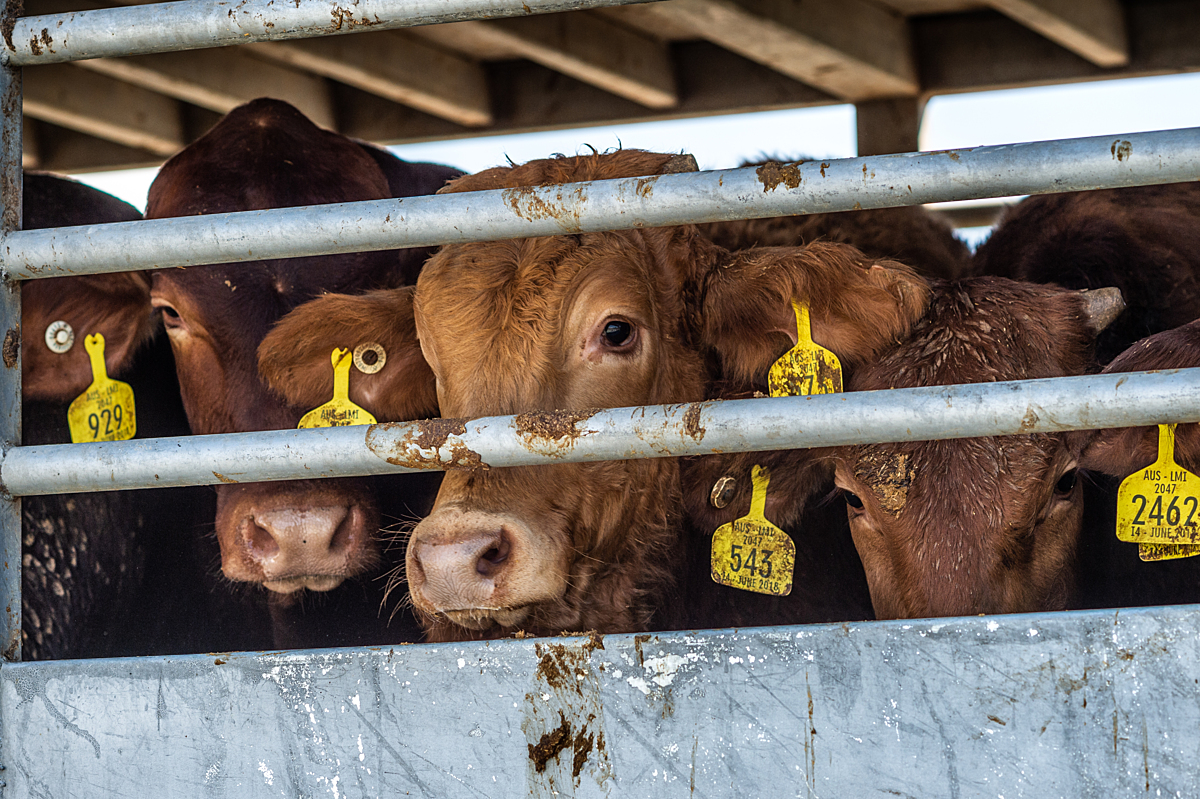
Brazil’s apparent lack of controls around the sale and use of veterinary antibiotics was powerfully illustrated last year in an investigation carried out by the Irish Farmers Journal and Irish Farmers Association. Researchers visited farms and agricultural stores in the state of Mato Grosso – a powerhouse of cattle production – and elsewhere and were able to purchase a variety of prescription-only antibiotics over the counter without any identification or proof that the medicines were needed.
According to the investigators, no herd or ear-tag details were required at the point of purchase, meaning there was no formal record of treatments administered to individual or groups of animals, and antibiotic packaging typically had no barcodes, meaning that no database of antibiotic sales was ultimately able to be kept. (Collating centralised sales and usage data is seen as a key pillar in effective antibiotic stewardship, both in the EU and elsewhere).
Many of the antibiotics procured by the researchers were classified as “critically important” to human health, and should have required both a veterinary prescription and be used only under the guidance of a vet, as is the case in EU and UK regulations.
The investigation also uncovered evidence of the use of “in-feed” antibiotics being used on some cattle farms, with specially designed feed boxes placed in fields and animals able to access feed mixed with an antibiotic used to control certain illnesses and which can act as a growth promoter to spur weight gain.
The use of “critically important” antibiotics in veterinary medicine concerns scientists and experts particularly as it can result in the development and spread of food-borne bacteria, which can in turn be transferred to humans via contaminated meat or farm animals that are resistant to the drugs, limiting treatment options for patients suffering serious infections where antibiotics may be required. EU and UK rules seek to curtail the use of such drugs, although, controversially, some are still used. The dosing of animal feed with antibiotics is also a known driver of “superbug” spread, with so-called “group treatments” strictly regulated in the EU.
“Multidrug resistance”
In Brazil, as elsewhere in the world, scientists have identified antibiotic resistant strains of key food-borne diseases such as campylobacter and salmonella circulating in both farm animals in recent years, including some variants that are “multidrug resistant”, with bacteria immune to even the most powerful antibiotics in some cases.
Given the country’s vast export trade in meat products, there’s clear implications for consumers and public health in its many overseas markets, as well as domestically. In one study, experts highlighted that “due to its relevance in animal food production, the way Brazil regulates the use of antimicrobial agents in animals […] may have implications at the local and global levels of antimicrobial resistance.”
The study’s authors noted that Brazil has phased in regulations to better regulate the issue, and clean up some problematic practices in livestock production, but that more needs to be done.
The country’s meat sector has previously come under fire over wider hygiene standards. In 2017, it was rocked by a major “dirty meat” scandal in which food safety inspectors were alleged to have been bribed to allow the sale of rotten beef, along with claims around the falsification of export documents, and a failure to properly inspect meat plants. An official investigation resulted in an EU embargo being placed on meat products produced at some Brazilian meat factories, and enhanced checks being ordered on meat and poultry imports.
Later, it emerged that millions of chickens contaminated with salmonella had been exported from Brazil to European countries, including up to a million to the UK. Some contaminated meat was rejected at European borders and sent back to Brazil where it was subsequently sold to Brazilian consumers, provoking uproar.
Schools and hospitals
So far, despite the pressure, the UK government has signalled that it will not be following the EU’s latest mooted embargo, having previously said it would carry out its own review into Brazilian standards. But how much Brazilian meat are we really eating here in the UK? And how worried should we be?
Brazil exports significant quantities of chicken (and other poultry) and beef to Britain: internal industry records passed to the AGtivist this week highlight how, over a recent two year period, more than 183,000 tonnes of Brazilian chicken meat, worth more than $1 billion, was imported to the UK. Over the same period, spanning 2022-2023, some 52,000 tonnes of beef was shipped to British shores, worth more than $471 million.
In keeping with wider patterns of market concentration within the international meat sector, much of this trade, the records show, was ultimately linked to just a handful of global meat corporations.
Much of the Brazilian chicken and beef imported to the UK finds its way to foodservice companies and wholesalers, who in turn supply the catering sector, as well as, in some cases, supermarkets and other retail customers. Some specialise in supplying prepared chicken products for pubs and hotels, major sporting venues and take away outlets. Others identified in the records sell into the public sector, which could see Brazilian chicken (and beef) served up everywhere from schools and hospitals to prisons and town hall cafeterias.
Indeed, a cache of separate records obtained under Freedom of Information rules show that several suppliers to the NHS and local authorities, often responsible for school meal procurement, list Brazilian chicken, turkey and beef amongst their ingredients, including frozen, chilled and delicatessen items. Several local councils provided responses to FOI requests showing that schools on their patch served chicken and turkey originating from Brazil.
As ever, the modern supply chains that now put much of the food on our tables are opaque and highly complex, and Brazilian chicken and beef pipelines are no exception. What’s safe to say is that Brazilian meat is here in significant quantities, and finds its way into virtually all corners of our food system.
The UK’s farming sector knows this, which explains, partly at least, why the calls for a ban on Brazilian meat are now so vocal. Of course, the risks from imported food are not confined to Brazil. Polish chicken, as recently reported by the AGtivist, has been linked to a series of salmonella outbreaks in the UK and beyond, as have Polish eggs, which only last month were associated with disease outbreaks in France. If the UK government fails to align with Brussels over the latest concerns relating to Brazil, there could well be a price to pay. Only time will tell.
But ultimately, the bigger issue remains: ongoing dependence on a global industrial food system to feed people is foolhardy, and needs a radical overhaul. And fast.
The AGtivist is an investigative journalist specialising in food and agriculture issues who’s been covering this beat for 20+ years. The AGtivist column at Wicked Leeks shines a light on the key issues around intensive farming, Big Ag, Big Food, food safety, and the environmental impacts of intensive agribusiness.



0 Comments