
Our squash have met across the rows, stretching their vines to cover the bare soil, their roots spreading below ground in search of water to feed the flowering and swelling fruit. How many they carry to maturity in late September will depend on rain and our management of the soil – a good drink might double the yield but any water we have left must be saved for higher value crops like raspberries and borlotti, lettuce and salad leaves.
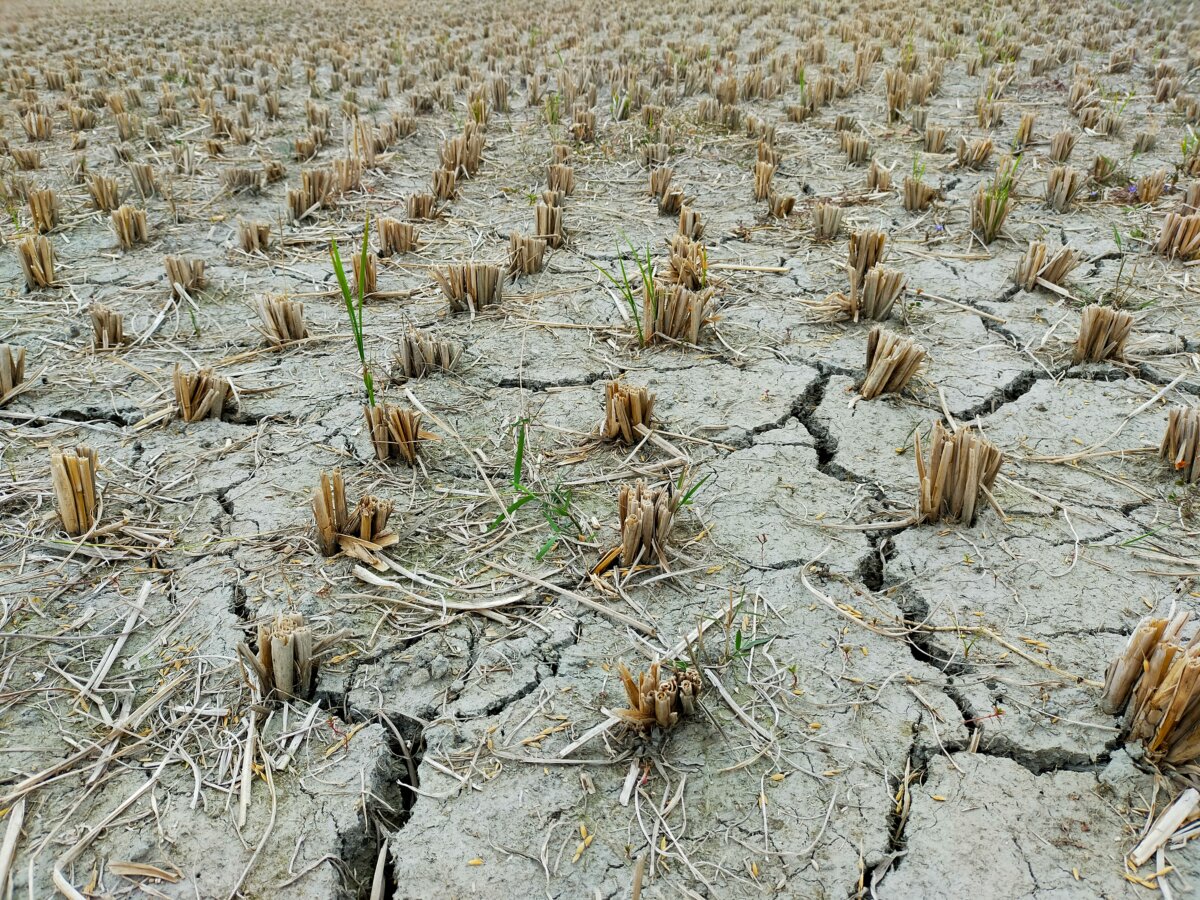
Walking the crops in the morning leaves me dangerously optimistic, but by noon leaves are losing turgidity with some wilting by mid-afternoon. We have been applying 20 tonnes of compost per acre, every year, for 10 years. With the help of worms, bacteria, and fungi, some of the compost is broken down in the soil, providing nutrients for our crops but most forms stable, complex, rich humus which binds intimately to the mineral soil – improving structure, moisture, and nutrient-holding capacity. Every 1% increase in organic matter allows an average soil to hold another inch of rain.
A decade of persistent compost application has raised organic matter from 5% to 12% and in theory our soils are therefore holding the equivalent of an extra seven inches of rain. This drastically reduces the need for irrigation, reduces the risk of flooding downstream, and sequesters carbon. I am not sure my observations quite match the theory but I am sure the squash would yield very little had we not applied the compost.
I am guessing our veg boxes will be thin on salads by mid-August as we make tough choices about which crops to abandon. Even so, we’re the lucky ones – no one will die and as a rich nation (for now at least) shelves will remain stocked with imported produce. We should be in no doubt that collectively, we in the Global North have caused climate catastrophe with our insatiable appetite for fossil fuels and all the stuff we make from them.
I remember walking a shrivelled crop in eastern Kenya with the farmer, a mother of three young children. She had cultivated two acres with a mattock (a pick-like hand tool) to grow maize which, due to failing rains, withered in the fields without producing a single cob. No amount of compost could have saved it. For her, the choice will be which child to feed. Only a sociopathic monster could still advocate “drill baby drill” from a well-watered golf course on the other side of the world.
Our News from the Farm posts come from Riverford. They are the digital versions of the printed letters which go out to customers, every week via Riverford’s veg boxes. Guy Singh-Watson’s weekly newsletters connect people to the farm with refreshingly honest accounts of the trials and tribulations of producing organic food, and the occasional rant about farming, ethical, and business issues he feels strongly about.

Excellent opinion piece..It puts into perspective the climate problem for me.Everyday I go to my allotment in West Yorks and see what I can pick for dinner..spuds are small,carrots are pitiful,most of the brassicas are the same.Broad beans and peas have produced a crop but they have matured quick and gone,fit only for next years seed crop!! raspberries are doing the best they can with the small amount of water I give them(the water butts emptied weeks ago) but the Blueberry bushes are frazzled and crispy..they’re dead.The lack of water means most of the other crops are blowing and going to seed…But at least I can go to the supermarket unlike in Kenya.My kids won’t die!
Great to hear about reality, global justice and responsibility from a grumpy farmer in Devon – keep it up, you’re giving old white men a badly-needed reputation boost 😆