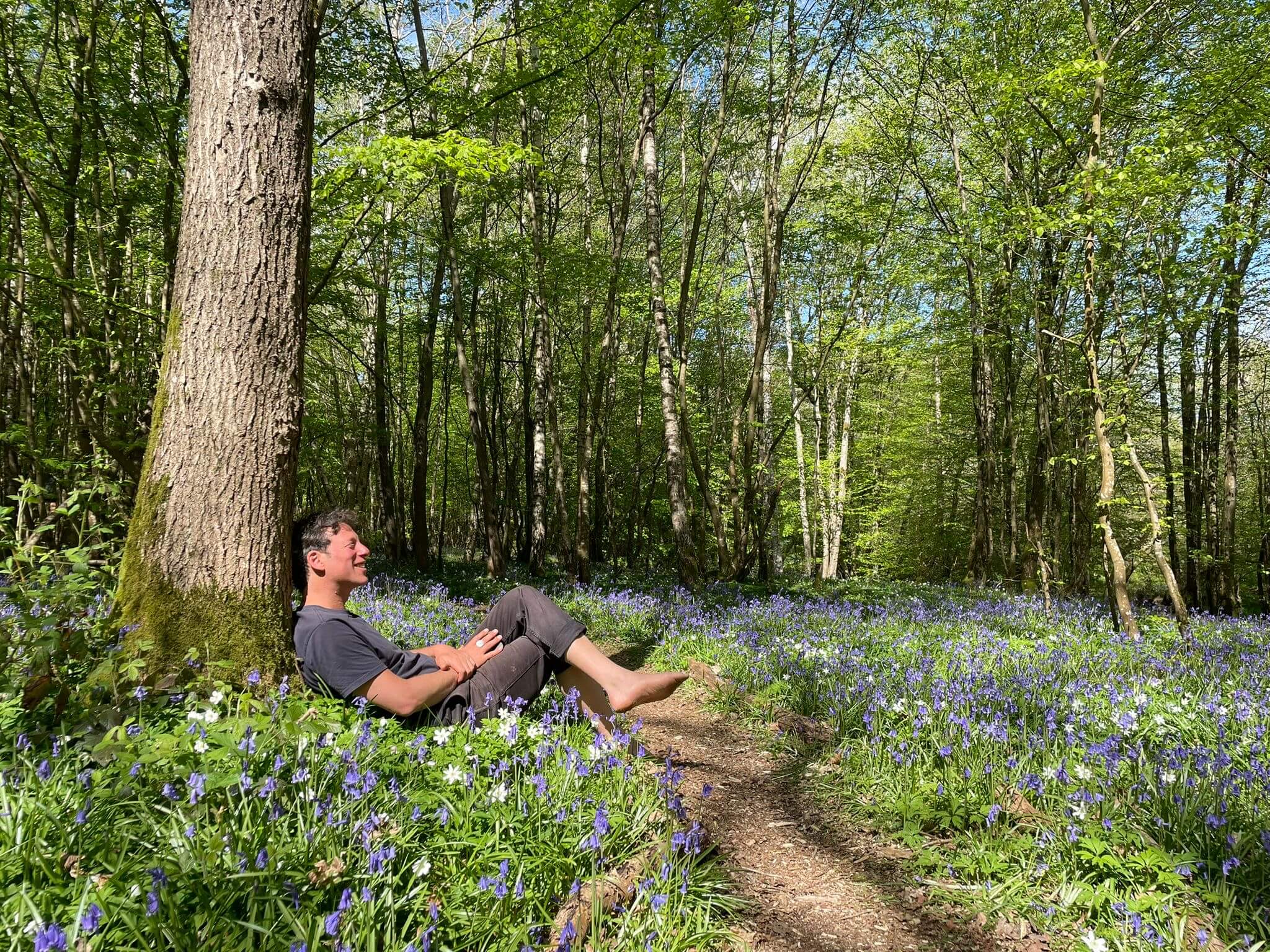
GET THE DIGITAL DIGEST

Sign up to receive the key stories in food, farming + fairness, direct to your inbox, every Friday.

Wicked Leeks logo

Food, Farming, Fairness.

  • News
  • Opinion
  • Features
  • Resources
  • Riverford
  • About Wicked Leeks

Hot topics

  • Farming
  • Animal welfare
  • Politics
  • Regenerative farming

All topics

  • Activism
  • Agroecology
  • Agroforestry
  • Biodiversity
  • Brexit
  • Business
  • Cartoon
  • Christmas
  • Cities
  • Climate change
  • Community
  • COP26
  • Cost-of-living
  • Culture
  • Dairy
  • Diets
  • Diversity
  • Eating and drinking
  • Eating out
  • Education
  • Employee ownership
  • Energy
  • Environment and ethics
  • Ethical business
  • Events
  • Fairtrade
  • Fashion and beauty
  • Fish
  • Flexitarianism
  • Flowers
  • Food waste
  • Foraging
  • Grow your own
  • Growers and suppliers
  • Guy Singh-Watson
  • Health
  • Inequality
  • Land ownership
  • Local sourcing
  • Meat
  • Mental health
  • Nature
  • Net zero
  • News from the farm
  • Organics
  • Packaging
  • People
  • Pesticides
  • Plant-based
  • Plastic
  • Podcast
  • Price
  • Recipes
  • Recycling
  • Renewable energy
  • Rewilding
  • Seasonality
  • Seeds
  • Shopping
  • Social justice
  • Soil
  • Summer
  • Supermarkets
  • Sustainable Food Series
  • Technology
  • The big interview
  • Travel
  • UK Gov
  • Veg hacks
  • Veganism
  • Water
slider image
Features

Are biostimulants the future of eco-friendly farming?

They used to be called muck and magic, but biostimulants are gaining in popularity as more growers look to boost soil and plant health the natural way

Farming Soil
slider image
Features

Lack of agroecological funding could be costing us our future

Research and innovation in organic and agroecological farming is chronically underfunded, finds Nick Easen

Agroecology
slider image
Features

The weakening link between our local abattoirs, organic meat and high animal welfare

The loss of the UK's smaller, local abattoirs would have devastating effects on the food system, finds Anna Zuurmond

Animal welfare Community
slider image
News

Poison for profit – EU exports 122,000 tonnes of banned pesticides

44 Highly Hazardous Pesticides, banned for EU use, are still being shipped to the African continent

Environment and ethics Pesticides
Features

Are biostimulants the future of eco-friendly farming?

Farming Soil
WL Meets

WL Meets: Tim Parton, championing the power of soil biology

Environment and ethics Farming Soil
Features

PFAS special: 12.5 million Europeans drink water containing “forever chemicals”

Environment and ethics Health
STORY OF THE WEEK

Testing is all well and good, but that needs to come once we turn the tap off. Megan Kirton, Senior Project Officer at Fidra

Features

News from the farm: Beans means nourishment in a rush

Eating and drinking News from the farm
News

The AGtivist: Concerns over precision-breeding grow ahead of High Court hearing in May

Activism UK Gov GM Politics
Features

PFAS special: forever chemicals, contaminated eggs & the wider packaging problem

Environment and ethics Health
Opinion

News from the farm: Weathering storms & speaking too soon

Climate change Farming Guy Singh-Watson
Features

WL Meets: Lucy Antal, on a mission to bring fresh food to the UK’s “food deserts”

Activism Community Eating and drinking Health Inequality
Opinion

News from the farm: Rain down the neck & occasional sun on the cheek

Farming Guy Singh-Watson
News

The AGtivist: campaigners fight for change in law on cruel “chicken catching” practice

Animal welfare
Features

Lack of agroecological funding could be costing us our future

Agroecology
About us

Find out more about Wicked Leeks and our publisher, organic veg box company Riverford.

Get in touch

Are you farmer, producer or journalist with a story to share? Drop us a line here.
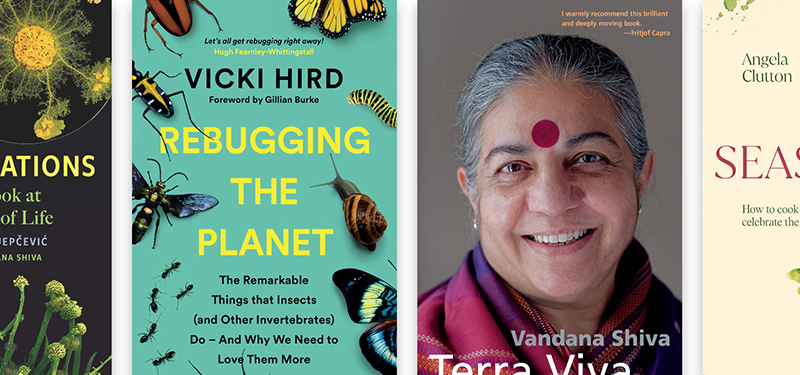
Resources

New + Noteworthy books, blogs, podcasts + more that are making waves in the worlds of food, farming + fairness.

wickedleeksmag

FOOD, FARMING, FAIRNESS. Wicked Leeks is a digital news channel joining the dots between food, farming & people, published by @riverford ⬇️SUBSCRIBE

Wicked Leeks meets: Tim Parton - a farming pioneer Wicked Leeks meets: Tim Parton - a farming pioneer championing the power of soil and biology. 

When you talk to Tim about home brew, he‘s not talking about an alcoholic beverage in a demijohn, but a tank full of brewed microbes and fungi in a vat ready for dispersal on his fields. He’s ditched all synthetic inputs and the vast majority of pesticides in a bid to nurture the lifeblood of every farm – the dirt, grit and hummus beneath our feet. 

“I’ve always had a passion for soil. I could never understand why farmers abuse it so much and don’t care for it; such exploitation of the land can take years to recover,” explains Tim Parton, who’s described himself as a ‘biological nutrition farmer.’

It’s been a 17-year journey of discovery for this South Staffordshire farmer. The penny dropped in 2009 when he realised his way of working at Brewood Park Farm, just north of Wolverhampton had to change. 

“We were using increasing amounts of nitrogen fertiliser, but not getting any higher yields. We were also having to use more fungicide applications. At the same time, the cost of growing crops was escalating, but we weren’t getting better returns. I knew then that we had to come up with a different system,” he says.

Read the full interview with Tim on Wicked Leeks.
Those who keep chickens and ducks in their gardens Those who keep chickens and ducks in their gardens understand the value in their hard work: the supply of wholesome eggs landing on their doorstep. These really are ‘happy’ chickens; and the free-range, shop-bought eggs claiming as much have nothing on these eggs, either (and my word… the omelettes!).

Sam Hammond is one such garden egg evangelist. So imagine the horror when a letter from the local council arrived through the letterbox, explaining that the eggs she and her children have been enjoying for a decade and a half may be poisonous due to the presence of PFAS, or so-called ‘forever chemicals’.

“I am angry and worried. I feel quite sick by it,” said Hammond in an interview with ENDS Report, a website dedicated to environmental policy and regulation, last week. “My daughter is 16 now – she was two when we got the chickens. We should be offered blood tests to see how much [PFAS] is in our bodies. There needs to be a more thorough investigation into what poisons are in my own backyard,” she added. 
It is a fair point. But scratch beneath the surface and the problems of ‘poisons’ in Hammond’s and her neighbours’ gardens point to a far wider challenge for our food production, not to mention a risk to our health.

Hammond is one of a number of residents who live on the boundary of the AGC Chemicals factory, in Lancashire, which is currently the subject of a contaminated land investigation by the Environment Agency and Wyre Council under Part 2A of the Environmental Protection Act. 

Read the full feature on Wicked Leeks.
Lucy Antal believes that most UK policymakers, mov Lucy Antal believes that most UK policymakers, movers and shakers should step out of their southern bubble and descend on Knowsley in Merseyside, where she lives, if they want to see what food inequality really looks like. This is the second most deprived area of Britain where “it’s easier to buy a vape than an apple,” the food campaigner has famously said. 

Life expectancy is shorter here by up to 12 years, fresh groceries are a bus ride away, so called “food deserts” abound while countless fast and junk food joints sit cheek by jowl with convenience stores piled high with ultra-processed food with lengthy shelf lives. Forget easy access to local greengrocers or nutritious, affordable produce. 

“Many people that want to change our food system, and this includes a lot of politicians, aren’t actually on the ground, exposed every day to the very communities that face chronic issues with food inequality. Many exist in a London bubble where access is better than where I’m standing,” explains Lucy Antal, Lead for Food Justice at @wearefoodrise

Poor availability of good food is what spurred Lucy to start Queen of Greens, a mobile greengrocer over three years ago. This social enterprise drives affordable fresh fruit, vegetables and eggs into the heart of Merseyside’s food deserts. This simple solution is widely cited as a truly innovative way to combat our dysfunctional food environment. 

“I think we should also have social supermarkets, state-owned shops or social hubs in the UK selling affordable, nutritious food,” states Antal. 

“The most fundamental misunderstanding of those in power is this idea that supermarket chains are altruistic and will therefore do the right thing without regulation – this is never going to happen. Decisions are made by shareholders including overseas private equity. They are purely interested in profit making. We should not expect voluntary change unless their rivals have to do something by law.”

Read the full feature on Wicked Leeks, via the link in our bio.
Actor Dame Emma Thompson, chefs Hugh Fearnley-Whit Actor Dame Emma Thompson, chefs Hugh Fearnley-Whittingstall and Jamie Oliver, and multi-Bafta-winning animators are supporting food campaigners in a fresh drive to improve school food this year, particularly in secondary education. This is encapsulated in a newly launched film, entitled “The Lunch They Deserve”, highlighting the issues. 

With the cost of living fuelled by rising fixed costs including energy and housing, households with children have been cutting back on their biggest variable cost, which is weekly groceries. This comes at a time when food inflation is rising again, unexpectedly growing to 4.5%.

A lack of affordability when it comes to nutritious food, means school meals are crucial to the 4.5 million children growing up in poverty across the UK. For many of these young people a healthy diet is unobtainable. Overall, fewer than 10 per cent of British teenagers get enough fruit and veg. Therefore, access to a hot, nutritious meal, rich in wholefoods and fibre in an educational setting is vital.

“We’ve got millions in poverty, a childhood obesity epidemic and a situation where dental decay is the biggest cause of hospital admissions for children. At the same time, young peoples’ diets across all income groups are too high in fat, sugar, and salt,” explains Hannah Brinsden, Head of Policy and Advocacy at the @food.foundation the organisation behind the campaign. 

“The government now has a golden opportunity to make a real difference and tackle these chronic challenges by transforming school meals and taking the issue seriously. It is also important for children to have a better relationship with food, and for all of us to promote a better food culture here in the UK especially in schools.” 

Read the full feature via the 🔗 in our bio…

About us

Wicked Leeks is published by Riverford Organic Farmers.

Riverford organic farmers

Riverford grows and sells organic food through its award-winning veg boxes, delivering across the country to a loyal band of customers who share a passion for good food, good farming and good business.

learn more

Get the Digital Digest

Sign up to receive the key stories in food, farming + fairness, direct to your inbox, every Friday.

Instagram icon Facebook icon Youtube icon Email icon

Navigate

  • News
  • Opinion
  • Features
  • Films

Most read

  • Farming
  • News from the farm
  • Environment and ethics
  • Eating and drinking
  • Climate change
  • Ethical business
Wicked Leeks

© Riverford Organic Farmers Ltd

Contact Us Cookie Policy Website by Plinth

Stuck for ideas? Try these hot topics!

Farming Animal welfare Politics Regenerative farming