

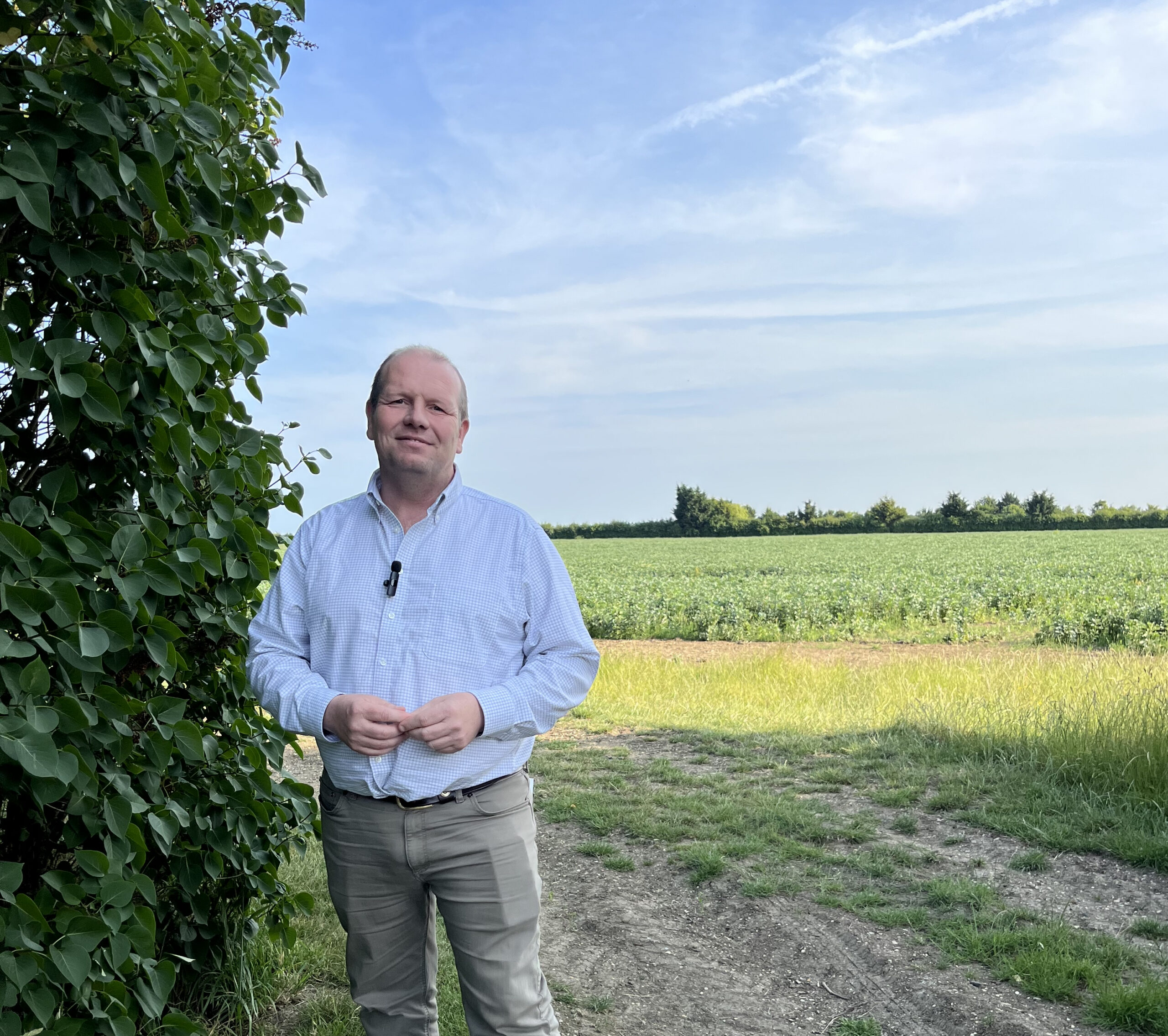
Manuel Sanchez* has spent almost his entire life working on a pig farm in central Spain. Born into an agricultural family, he began working on his father’s farm at 18, back when many households still raised only a few animals to sell at local markets. “Many years ago, you could survive with less than 200 animals”, he says.
Today, aged nearly 50, that reality has largely disappeared. Sanchez is one of the few who have managed to stay afloat in a sector where a handful of companies now dominate livestock production, and control virtually all aspects of production, from feed to veterinary medicines, leaving small farmers like him with barely any chance of making a living. “There aren’t many independent farmers like me left in Spain. Now, everything is controlled by a few companies, and they’re the ones who set the prices,” he laments.
In recent years the EU has become the world’s second-largest producer of meat, behind China – but at the expense of small farmers. To compete globally, the EU has built an industry centred on efficiency, leaving little space for traditional models.
“You can’t survive outside the [industrial] system,” says Eloy Ureña, another Spanish farmer who runs a small-scale chicken farm. Many producers fear that the free trade agreement with the Mercosur countries – Brazil, Argentina, Uruguay and Paraguay – which is expected to kick-in imminently, will be the final blow as cheap imports compete with homegrown products. “Mercosur will surely benefit someone, but it won’t be small farmers and livestock producers,” Ureña complains.
Official data shows that the EU lost a staggering 5.3 million farms between 2005 and 2020, with a 44% decline in small farms. At the same time a whopping 56% increase in the largest types of farms has been recorded across the continent, according to analysis by campaigning giant, Greenpeace.
In the UK, despite the country’s exit from the EU, a similarly grim trajectory has been identified across its farming landscape. UK government data shows that between 2017 and 2024, more than 35,000 agricultural businesses closed, part of a wider decline in farming over recent years. In 2025, it was reported that 6365 farms, as well as some forestry and fishing businesses, had closed in one 12-month period.
Added to this, as many as a third of British farmers were making a loss or breaking even as they struggled with the loss of subsidies and looming changes to rules around inheritance tax, another recent report found. Only 14% of farmers surveyed said they made 10% or more profit in the past year. In fact, many were making no profit at all, with more than 30% of the farmers reporting making a loss or breaking even. The system is “broken”, as one industry source said.
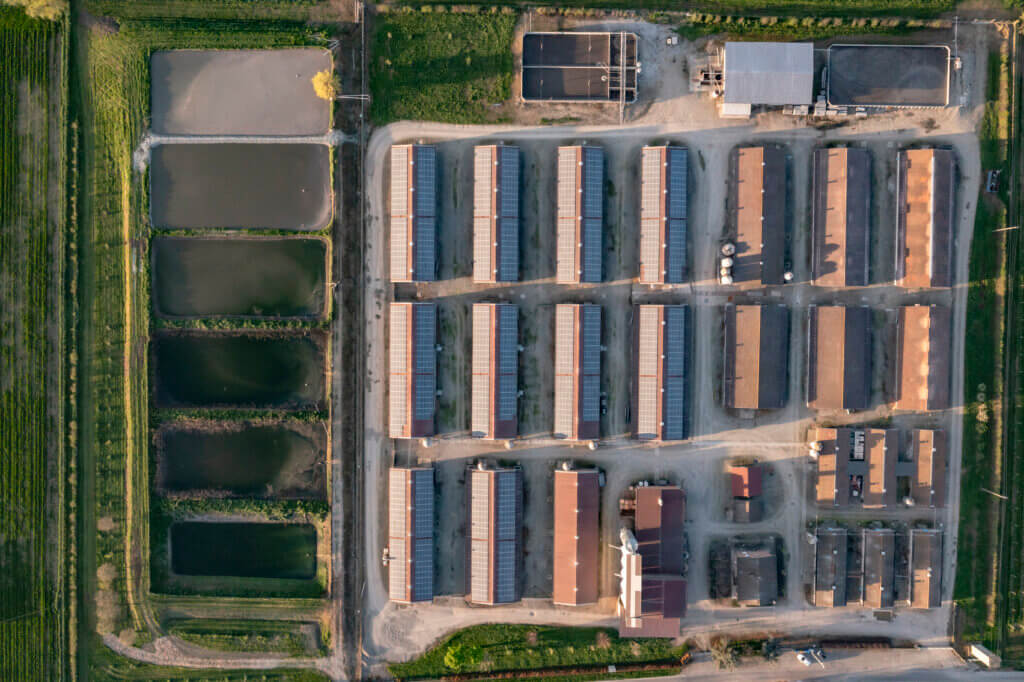
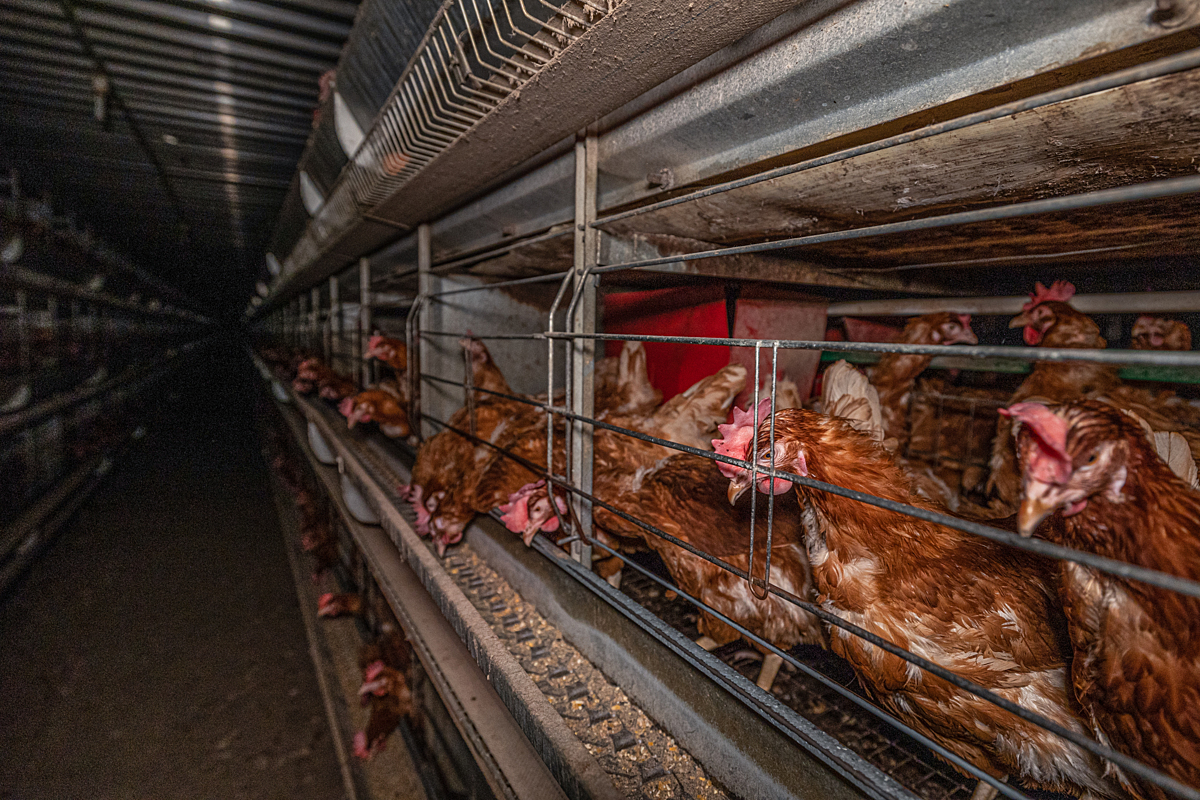
This all comes as more than 24,000 intensive livestock farms have been licensed across Europe (including the UK), mainly for pork and poultry production, with more being added each year. These farms, due to their size – typically more than 2,000 pigs or 40,000 poultry – are required to report their emissions and must hold permits in order to operate. The largest units across Europe house more than a million birds and up to 30,000 pigs, and are known as US-style “megafarms”.
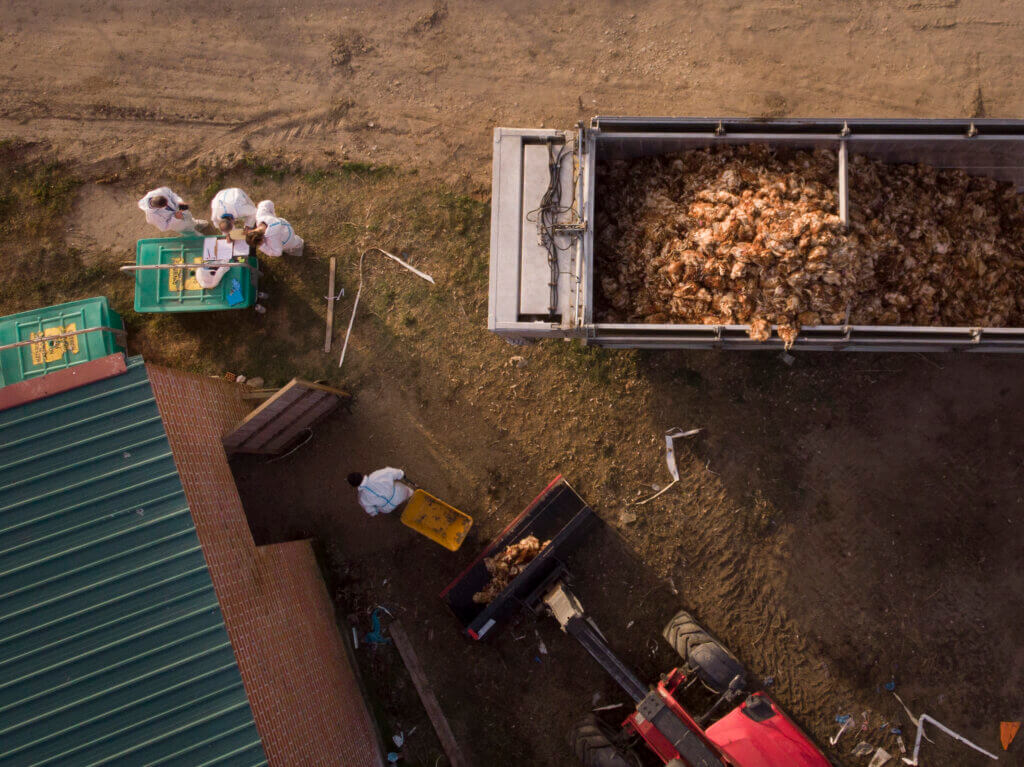
Spain is one of the most striking examples of the pattern of intensification and consolidation taking place in the EU’s livestock sector, largely due to its integration system, in which large companies control nearly every stage of production; owning the animals, producing feed, managing veterinary care, and marketing the meat. Farmers typically provide facilities and labour, receiving payment per fattened pig or poultry production cycle, known in the industry as chicken “crops”.
But Spain is not alone. An investigation has identified similar trends – and associated economic, pricing, land-access and other pressures on small farmers – across Europe. Based on dozens of interviews with farmers from Italy, Poland, and Spain, all known hotpots for factory farming, as well as numerous unions, industry commentators, policy experts, politicians and others elsewhere in the EU and the UK, the findings starkly highlight a growing shift toward agricultural sectors dominated by intensive production and large corporations, where producers have little control over how they work or the prices they are paid.
The investigation, involving journalists from multiple countries (including the AGtivist) focused on a less reported aspect of intensification than welfare or pollution: the impacts on farmers themselves, conventional, and smaller-scale players particularly. And on giving them a rare voice.
Reporters found that farmers do not typically frame the issues involved in abstract policy terms like “consolidation”. Instead, they describe it as a lived experience of “loss of autonomy and power”. And although contexts differ in individual countries, the pattern was found to be the same: independent, conventional farms are being squeezed out by a system that rewards scale, dependency and uniformity.
The majority of farmers interviewed expressed remarkably similar views on what they believe are key aspects of the problem, including:
- Industrial farming isn’t replacing smaller-scale production because it’s more efficient – it replaces them because policy and market structures reward scale and dependency
- What is presented at EU level as “modernisation” is actually experienced at the “farm gate” as a loss of autonomy, income compression, regulatory burden and forced integration
- The “pull factor” – supermarket and processor power – is now one of the strongest drivers and explanations for the situation
- Animal welfare – a priority for many consumers – is no longer a neutral or purely ethical objective, it has become ‘weaponised’ to justify the steady eradication of small farms
US-style farming
“There is a clear trend of “Americanisation” toward larger, more industrialised farms,” Filippo Boffelli, a farmer from Italy, told reporters. “What was once considered a large farm is now classified as medium-small, as larger operations continue to expand in both land and herd size.” A poultry farmer from central Poland, who wanted to remain anonymous, added: “Before [the arrival of large industrial farms], local farmers were the heart of this business. We had family traditions… It was our identity, our education, a part of our tradition.”
Many farmers spoke openly about the burdens of running a farm against this backdrop and where they feel like they bear virtually all of the risk and cost, but others, in their view, capture the profit. “I work just enough to survive. The expenses eat us alive. The illusion is gone – I work without joy,” one cereal farmer from Guadalajara in Spain told reporters. Another Spanish grower said: “I have children and if they wanted to stay in farming, I wouldn’t advise it. I see the future as rather dark.”
Experts and others pointed to legislation as the ultimate driver of industry concentration. Since the 1990s, the Common Agricultural Policy (CAP), has rewarded land ownership, and today it is estimated that 80% of the funds go to the largest 20% of farms. “The CAP has been the main driver of inequality in the countryside”, said Cristobal Cano, secretary general of the Union of Small Farmers (UPA in Spanish). “It has channelled subsidies toward huge estates at the expense of small and medium producers”, he continued. Studies have shown this dynamic at work multiple times.
Regulatory mechanisms were found to be another factor. Farmers interviewed complained that Brussels has increased requirements to improve safety and reduce the environmental impact of farms, but without distinguishing between large and small farms. “Bureaucracy is a significant challenge. We are required to comply with the same regulations as large companies, which is often unmanageable for small farms”, said Luca Quirini, an Italian small farmer.
Campaigners agreed: “The CAP objectives themselves are to some extent contradictory, because on one side they push for intensive production but on the other they ask to implement green measures”, said Giulia Gouet, Senior Advocacy Officer at Slow Food EU.
Animal welfare was, perhaps surprisingly, also viewed as another driver of consolidation, since standards are designed with large farms in mind. “Animal welfare is our top priority, as we live closely with our animals. However, regulations are often designed for industrial environments, not for our context” Quirini told reporters.
“Measurements are made for those who raise livestock in concrete,” said Tiziana Sfriso, president of the trade association Confagricoltura Donna Parma, referring to requirements around transport distances between facilities, which are harder to meet in farms located in remote, rural areas.
EU reforms
The EU has pledged to overhaul its animal welfare legislation by the end of 2023, including a ban on caged farming systems and sweeping reforms covering farming conditions, transport, slaughter, and consumer labelling. The new framework is expected to benefit small farmers by providing greater predictability and stability, as well as improved access to funding for the transition. However, the reforms are now facing significant delays.
The EU itself has acknowledged the situation. Its agricultural outlook (2025–2035) states that “overall farm economic viability (remains) closely linked with farm economic size”. In 2019, Europe adopted a directive to protect farmers from unfair trading practices arising from “stark imbalances between small and large operators”. The most recent CAP reform for 2023–2027 also introduced “redistributive” payments, requiring at least 10% of direct subsidies to go to small and medium-sized farms.
However, some politicians are unimpressed. The Dutch MEP Anja Hazekamp said that these measures have “failed to sufficiently improve the distribution of farm subsidies”.
In the UK, which left the CAP system post Brexit, Yali Banton-Heath, of the Landworkers Alliance, which represents smaller farms, said: “Small-scale producers continue to face immense challenges, especially when it comes to livelihood security, pay and revenue. This is broadly a result of three factors; lack of access to markets, lack of access to sufficient government support, and fighting an uphill battle against the monopolies of food retail giants and global supply chains.”
The group was instrumental in recently highlighting how new agri-subsidy schemes in England excluded producers operating below a certain size threshold, unfairly discriminating against smaller producers.
The European outlook appears even more bleak in light of free trade agreements the European Union is currently pursuing. While the deal with the Mercosur countries is the most contentious, it is far from the only one. Brussels has recently signed an agreement with India, now awaiting ratification, while a similar treaty with Indonesia is expected to come into force in 2027. “We can’t compete with them. We’re at a disadvantage because we have regulations here that they don’t have to meet. They can produce more cheaply,” said Sanchez, referring to Mercosur.
Protests against the Mercosur agreement have not matched the scale or impact of the farmers’ mobilisations of early 2024, ahead of the European elections, when demonstrations filled the streets of several cities and contributed to rolling back parts of the European Green Deal and delaying environmental measures under the Common Agricultural Policy.
However, one recent investigation suggested that large farming organisations, working behind closed doors, were instrumental in shaping the agenda with European institutions – focusing on environmental requirements while sidelining other key demands from small producers, such as working conditions and market prices.
“Trapped in contracts”
Large corporations, many supplied by intensive farms, have expanded across the European countryside by offering incentives to farmers and trapping them in integration contracts that are very difficult to break, the investigation found. “Profitability per animal is very low now. If you don’t have a large farm, you depend on a bigger company that negotiates with supermarkets,” Sanchez said.
An important part of this strategy is that large companies control key infrastructure such as slaughterhouses and hold exclusivity contracts with supermarkets or even operate their own retail chains. “The big companies own many steps of the production chain. They are our buyers and they dictate the prices. If our prices are too high, they will knock on some other doors”, one chicken producer from Poland told us.
Eloy Ureña meanwhile would also prefer to remain independent, but the pressure is too great. “Out of 5,000 chicken farms, maybe ten aren’t integrated”, he said. “In the egg sector, there is barely any integration, and we don’t want it. Because there is nothing like selling your own product in proximity. But for meat, we have no choice”, he explained.
Most of the farmers interviewed say that one of the main reasons for accepting contracts with large companies is the high volatility of prices, both in raw materials and energy, as well as the prices they receive in the markets. “People can’t withstand price fluctuations, so they have joined big corporations. They pay a fixed rate per pig and they know exactly what they’ll earn,” according to Sanchez. “If you’re integrated, you know what you’ll get paid — that peace of mind is priceless. But you lose freedom”, added Ureña.
But this stability comes with strings attached: silence. “I cannot openly protest, and many others don’t either. We are a part of that system”, said the Polish chicken farmer. Sanchez also feels that talking about the big shots could get him into trouble and that’s why he asked that his name be changed for this story.
Commentators further highlighted this issue: “I don’t really see much opposition against the hegemony of the big players anymore. It is somehow too late for that”, Anna Spurek, CEO of the Green REV Institute, a Polish organisation supporting sustainable and healthy food regulations, told reporters. “They have powerful clients and do not want to openly oppose them. Somehow, they learnt to accept that situation”.
Ana Andreu, however, was never tempted to join a large corporation when she fulfilled her dream of opening a small laying-hen farm in Spain five years ago. “Integrators have offered to take me on and make me dependent on them, but I’ve refused,” she told us from her farm in Allueva, a village in the province of Teruel where she now lives permanently with her son.
With her 1,000 hens, she produces around 800 eggs a day at peak times, which she sells to local restaurants, shops in nearby big city Zaragoza, and private customers who, she explained, “value the freshness” and knowing where the eggs come from and the conditions in which they are produced.
Andreu knows her life would probably be easier if she worked with a big company. Instead, she gets up early every day to feed the hens and waits for them to lay before opening the gates so they can spend the day outdoors. She then packs the eggs, labels them to comply with current regulations, and delivers them to her customers.
Each week, she said, she drives more than 1,400 kilometres for deliveries. “I do everything myself and work long hours.” But the hardest part is the instability of production when you try to respect the hens’ natural cycles. “Production is never the same. You never know how many eggs the hens will lay or what size they’ll be,” she said. This sometimes makes her lose customers, who do not always understand that the product cannot be standardised like that of a large corporation. “I always keep them informed, but not everyone gets it,” she added.
From grain to meat
The control doesn’t begin on livestock farms themselves, but in the arable fields that are essential for producing grain destined for animal feed, the investigation found. Here, large meat companies, along with the commodity trades, also control prices, farmers told us.
“It is a market completely under the control of big multinationals”, Esther Latorre, a cereal farmer from the same region as Manuel Sanchez and Eloy Ureña, said. “For years, cereal prices have been dropping continuously, while input costs rose”, she continues. “But farmers can do little about it. Because you cannot sell 40 tonnes of cereal to a local market”, she said.
In this situation, there is a bittersweet feeling about the future among small-scale farmers. However, several experts point out that without a reform of the CAP, small-scale farmers are not the only ones who will not be able to survive. “Land is a safeguard for multiple public goods – biodiversity, local economies, cultural food heritage – and not just a commodity for scale,” said Giulia Gouet from Slow Food EU. “By 2030, the EU should aim for a diverse landscape of farms, operating as part of localised, fair, resilient food systems.”
However, CAP subsidies may fall short if the structural functioning of the industry does not change. “In land planning, there is a role for policy to have the right incentives to make sure that that diverse landscape is preserved or enhanced”, said Alejandro Guarin, from the World Benchmarking Alliance. “But I don’t think any amount of economic incentives are going to keep people in farming if the economics don’t add up properly”.
“I want to believe we still have a future,” said Sanchez. “But the reality is that there are fewer and fewer young people [and farmers] in rural areas. And with all the pressure we face, it doesn’t seem likely that this will improve.”
*Some names have been changed
This is an edited, translated version of a longer article due to publish in European publications this week.


0 Comments