

Largely hidden from public view, in abattoirs and processing plants up and down the country, a network of vets and meat inspectors are busy at work. Their task is to ensure that the meat that reaches our dinner plates is produced hygienically and is safe to eat. The vets, additionally, are tasked with ensuring that the farm animals being slaughtered to supply this meat are handled and killed humanely.
It’s a big job. Each year, some 2.6 million cattle, 10 million pigs, 14 million sheep and lambs and around 950 million birds are slaughtered and processed in the UK, according to government figures. It’s also a tough, demanding job, as anyone who has ever visited an abattoir or a meat processing plant will know, as many facilities can be noisy, intense and highly pressured environments, with schedules that must be met and production lines that need to be kept moving to keep up with relentless demand.
Consignments of animals and birds arriving from farms must be checked for illness or injuries, and, as the AGtivist has reported before, there are often plenty of arrivals that require attention, with frequent – sometimes distressing – welfare issues arising from incidents on farms or during transport being detected, as well as breaches at factories themselves that require documenting. After slaughter, carcasses and meat must then be inspected for defects or contamination, particularly faecal contamination that can pose a serious health risk to consumers by way of harmful bacteria such as salmonella, campylobacter or e.coli.
Indeed, preventing, or at the very least limiting, the supply of meat contaminated with these and other food poisoning infections is a primary function of inspectors in the country’s slaughter and processing establishments. These folks are a vital line of defence for public health.
But whilst much has been written about animal welfare and food safety in our meat supply chains, there’s been less attention given to the treatment, and experiences, of those trying to uphold standards. This week the AGtivist got a revealing, if limited, insight into an unsavoury array of harassment, intimidation and bullying incidents affecting inspectors working in meat plants across England and Wales.
The data shared in response to a Freedom of Information Act request, also includes episodes of violence and damage to property, as well as (apparently isolated) incidents of racism and sexism, and provides just a tiny snapshot of working life for some vets and meat inspectors, but also raises questions around the culture prevailing inside parts of this industry.
The figures are based on incidents that were reported over a twelve month period (2024) and show that inspection staff at abattoirs and processing plants reported at least 30 episodes of aggression or aggressive behaviour in the period, 17 instances where they were verbally abused, 13 cases where demeaning or insulting behaviour was used, 9 episodes of intimidation, 5 physical assaults, as well as several reports of racist and sexist behaviour.
In most cases the incidents were dealt with informally, with meetings and letters sent to the operators of the establishments involved, the data shows, but in some cases formal disciplinary action was taken, mediation was used, or staff were relocated.
Some of the incidents occurred in meat plants run by some of the biggest food firms in the country, including companies that supply major supermarket customers, with several facilities linked to repeated incidents.
A recurring problem
Industry insiders point out that the figures only account for incidents that were actually reported by vets or inspectors, and say the true numbers will be higher. “It’s not comprehensive, it’s not the full picture by any way you look at it,” one source told the AGtivist. “The numbers don’t stack up as you talk to anyone working [on the factory floor] and you’ll hear of far more [incidents] than what is [written] down”. Some inspectors are fearful of speaking out because of the atmosphere that could be created afterwards, the source claimed.
Although the Food Standards Agency (FSA) – which is responsible for meat plants in England and Wales – states firmly that it takes a “zero tolerance approach to any form of bullying, harassment or physical assault” inside processing facilities, and insiders say that the problem is being taken more seriously now than in past, the issue has been a recurring one for many years. Previous records revealed there had been at least 180 incidents recorded at meat plants across England and Wales during a three and a half year period.
A meat inspector turned whistleblower also previously claimed that some inspection staff were “routinely bullied and harassed in their efforts to uphold good practice.”
“The general public need to know that inspectors and vets are dealing with physical and verbal abuse,” he said, saying that it went on “every day” in parts of the industry and that it was “accepted”.
He said the contrast between other employment settings and the meat industry was stark: “If someone pushed you up against the wall and battered you verbally in your office [they’d] be up for a disciplinary or maybe be fired on the spot. In this industry you’re expected to brush it off and come to work the next day,” he said.
At times, conflicts between inspection staff and workers at meat plants have been so serious that inspectors had to be withdrawn from some establishments for their own safety, and union surveys found that more than half of inspectors and vets had witnessed bullying or harassment at work.
“Threatened”
The issue has occasionally secured airtime, such as when union representatives publicised details of a number of particularly serious incidents, including one when a vet was allegedly threatened by staff at an abattoir after trying to capture video footage of a sick cow being dragged to be slaughtered, and another where an inspector was allegedly threatened with a knife when they tried to stop a production line after spotting animals covered in faeces.
But mostly, the problem occurs behind closed doors. One recent study, published in 2024, did shine a rare light on the issue however, capturing the views of more than 100 vets as part of a research project into “job satisfaction and animal welfare” for some of those employed in abattoirs in the UK and Ireland.
Researchers found that while most vets were committed to their work they “reported issues that may compromise job satisfaction, such as often experiencing loneliness at work, threatening situations and sleep disorders.” Job satisfaction “was often impacted by animal welfare incidents, and conflicts with food business operators were considered one of the greatest barriers to improving welfare at slaughter,” the study said.
The research also found that around one-third of vets taking part in the study “reported experiencing threatening situations in the workplace in the last 12 months. This included incidents in which professionals felt their physical health or life was endangered whilst carrying out specific duties in the workplace.”
Based on this finding alone, there’s clearly far more to do in order to protect those who are simply attempting to protect the animals in the supply chain, and in turn, the public, from contaminated food products.
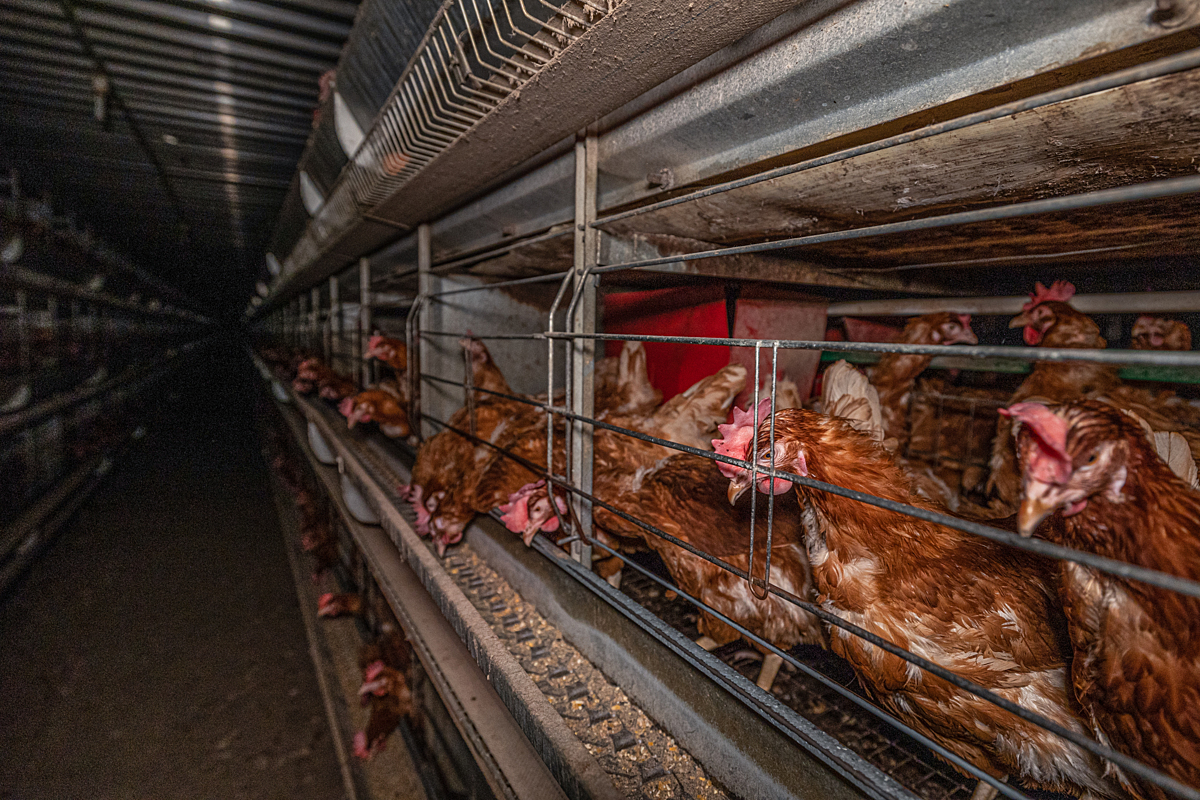
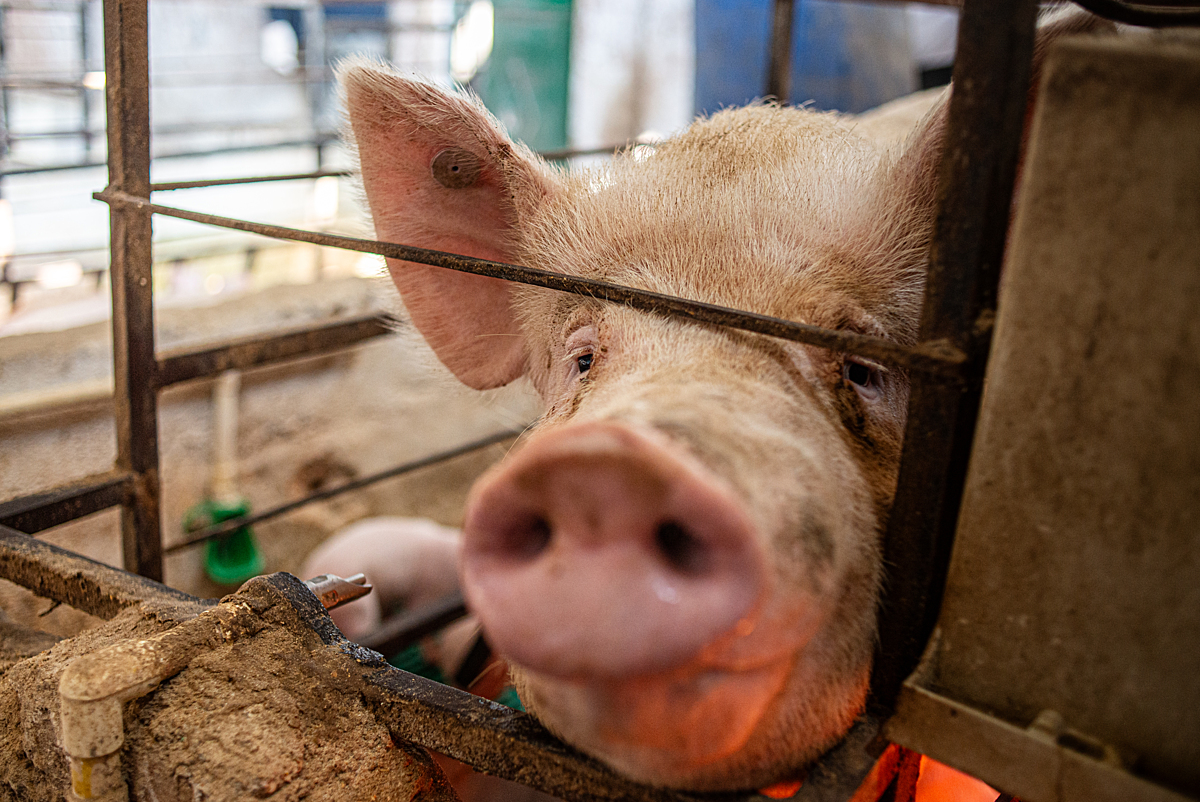
Image courtesy of WE ANIMALS
The AGtivist is an investigative journalist specialising in food and agriculture issues who’s been covering this beat for 20+ years. The AGtivist column at Wicked Leeks shines a light on the key issues around intensive farming, Big Ag, Big Food, food safety, and the environmental impacts of intensive agribusiness.




0 Comments