

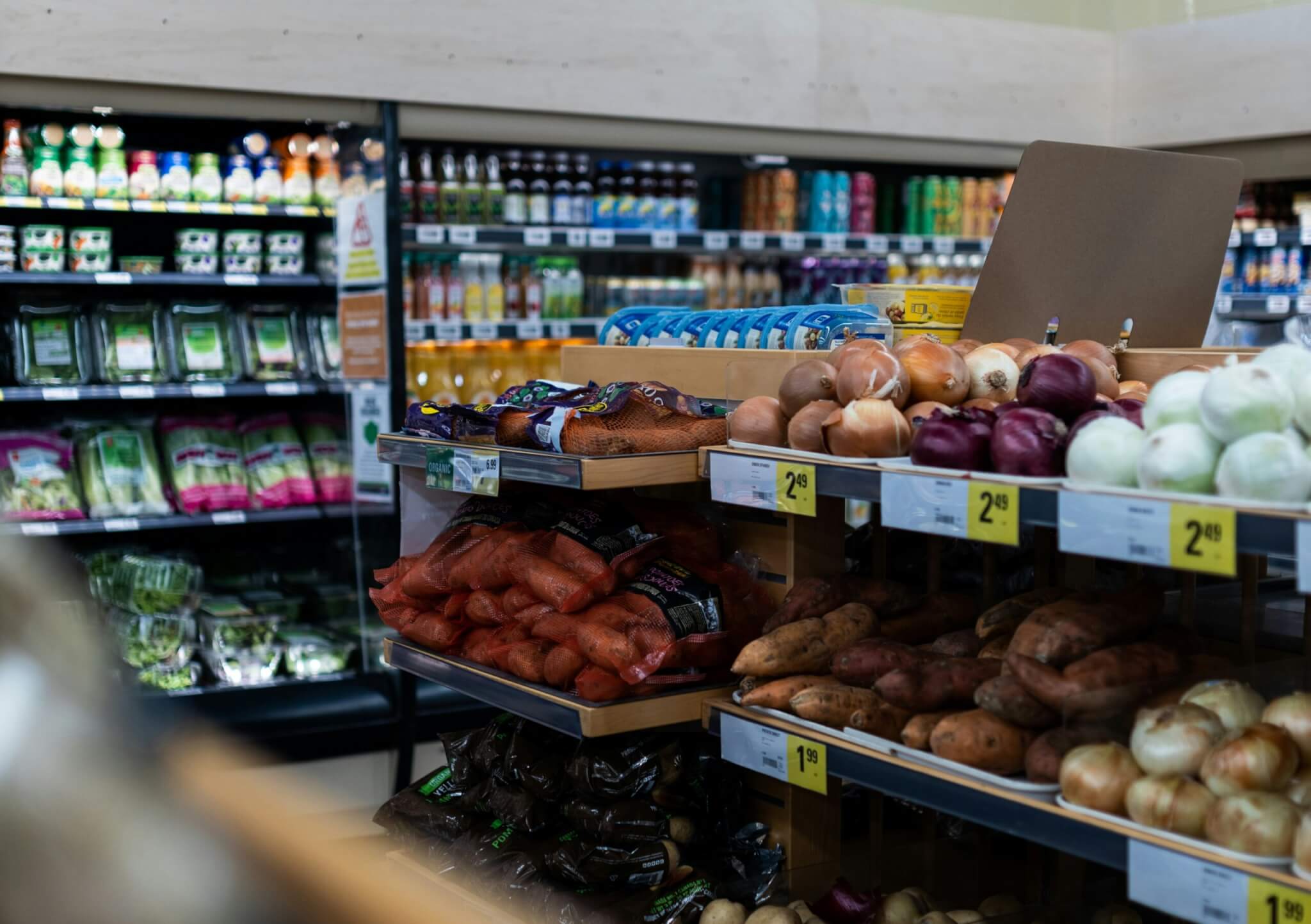
Margins are notoriously tight in the dairy sector. Costs for essential inputs such as fertiliser, fuel, and feed rarely come down, but supermarkets are known to lower milk prices (known as loss leaders) – sometimes significantly, sometimes without much notice – in order to attract customers through the door, and price crashes have become a frequent event in recent years.
The latest downturn to strike in the UK began in 2025 and, according to some industry analysts, was one of the biggest and quickest on record. It has been widely blamed on a global oversupply of milk and led to some UK dairy processing companies slashing the prices they pay to farmers. Some farmers have been forced to sell milk for as little as 29p per litre despite it costing around 40p to produce. Added to this, cuts in subsidies post-Brexit means many farms have been struggling to meet the cost of production, prompting warnings that hundreds more could close.
The situation has alarmed some MPs so much they have now spoken out and called for greater protections for the sector. Alistair Carmichael MP, the Chair of the influential Environment, Food and Rural Affairs (EFRA) Select Committee, said the situation wasn’t sustainable: “Dairy farmers are facing massive pressures at present because of low milk prices resulting from an oversupply. That should self-correct in the fullness of time but, until it does, dairy farmers need help. The risk is that the ‘correction’ in the market will involve English dairy farmers going out of business,” he said.
The EFRA committee is currently conducting a long running inquiry into fairness in food supply chains, an issue covered regularly by Wicked Leeks, and recently heard evidence relating to the dairy sector specifically. Carmichael said the removal of subsidies in the wake of Brexit could be making a bad situation worse. “This is not the first time we have seen this happen but previously farmers could rely on basic payment [subsidies] from the Government to help them out. We have none of these safety nets now.”
Concerns about unfair pricing and supermarket suppliers’ poor treatment of farmers previously led, in 2013, to the then-government setting up a dedicated regulator, known as the Groceries Code Adjudicator (GCA). In 2020, another regulatory post, the Agricultural Supply Chain Adjudicator (ASCA), was created to help enforce fairer treatment across wider supply chains.
And rules specifically designed to better regulate milk contracts between processors and farmers came into force in 2024. This enabled the ASCA to investigate relevant dairy complaints and, if upheld, issue civil penalties or force milk purchasers to pay compensation to affected farmers.
Power imbalance
Despite these safeguards, Carmichael expressed concern about their effectiveness: “The GCA and the ASCA both have tiny staff and small budgets. The only person I have heard express confidence in their current setup is the Grocery Code Adjudicator himself!” He added that their current approach has failed to “shift the dial”, and suggested their approach to unfair practices was too soft.
“The need for market regulation comes from the massive power imbalance between big supermarkets […] on the one hand and farmers on the other. It concerns me that the Groceries Code Adjudicator thinks it is possible to address that power imbalance in a “collaborative” way,” he said, adding that regulators have to inspire confidence amongst the smaller players too.
Carmichael’s outspoken intervention follows the recent publication of figures showing that 20% of British dairy producers have quit since the Covid pandemic. The figures, released by the Agricultural and Horticultural Development Body (AHDB), estimated farm numbers had dropped from 8,720 to 7,010 over six years. Some experts have warned that the current crisis could result in up to 700 more dairy farmers packing up for good.
Industry sources do point out that the current crisis hasn’t impacted all farmers to the same degree. Those on some supermarket contracts – known in the business as “aligned” contracts – have fared better, for example, as these payments are calculated based on the actual cost of production, rather than linked to more volatile commodity prices, which can change quickly.
Organic dairy farmers have also largely escaped price cuts, as payments to these producers often attract a premium. Despite this, the slim profits that some dairy farms continue to receive for producing supermarket staples such as cheese has led to fresh calls for greater scrutiny of pricing.
Some research, previously reported by the AGtivist, found that a typical supermarket pack of cheddar cheese may cost a dairy farm £1.48 to produce, yet they receive as little as 0.05p in profit from the supermarkets, who typically sell it at around £2.50. Findings such as this prompted another MP, Danny Chambers, to intervene: “Many farmers are earning significantly less than the living wage, yet supermarket prices are so high that many people cannot afford to buy basic, decent quality food,” he said.
He said the situation was “completely unfair” and would “increase the risk of losing our domestic food production. Farmers deserve a fair price for the food they produce and supermarkets should […] face scrutiny over their practices.”
The might of the Megafarms
Despite the reduction in the number of dairy farms, the amount of milk being produced in the UK has stayed fairly consistent, in part at least because of increasing herd sizes, wider industry consolidation, and growing numbers of intensive dairy units that aim to maximise efficiency.
Indeed, in response to seemingly terminal economic woes, many farmers have intensified in recent years, leading to the emergence of increasing numbers of factory dairy farms the length and breadth of the UK. Figures show there are now at least 180 farms (in 2015, there were 70) where some or all cattle are permanently confined indoors. The true number is likely to be significantly higher owing to a lack of official data, but includes around 40 so-called “mega-dairies”, housing anywhere between 700 and 2600 cattle.
Perhaps unsurprisingly, major dairy producing regions, including Devon, Cornwall, Dorset and Cheshire, are among emerging hotspots for factory-style milk production, with multiple intensive farms identified in each. Some of the largest units supply major processors who in turn supply leading supermarkets.
Whilst those operating intensive units insist that such systems allow greater productivity, enable cows’ health to be closely monitored, and say that animal welfare and environmental standards aren’t compromised in well-run facilities, the spread of such farms has been fiercely condemned by animal rights and environmental campaigners.
They argue that pollution risks are exacerbated by these types of farms (evidence has shown that cattle production, including dairy, was responsible for the greatest number of livestock pollution incidents across the UK in one recent period) and that cows’ welfare is fundamentally compromised when they are unable to graze.
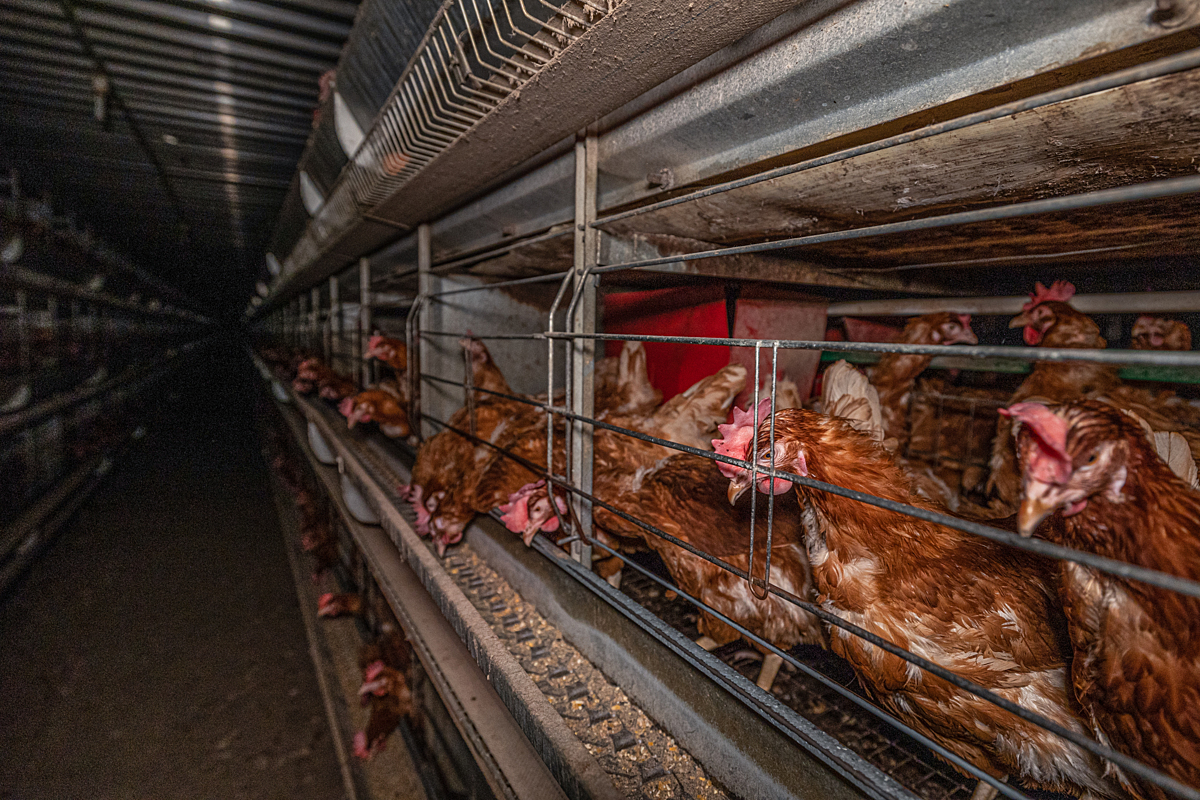
This has led to accusations from some opponents that parts of the dairy industry has adopted “battery” production, akin to the conditions in which some chickens are kept, whilst other campaigners are using the emergence of factory dairy farms to fuel wider campaigns against the dairy sector at large, which they claim is riddled with cruelty and suffering.
Of course, these views are widely rejected by many in the industry itself.
One dairy farmer who previously ran an intensive unit said such systems improve farms’ production and are “as good if not better” in welfare terms than grazing systems. And some industry experts say there is no inherently good or bad system, and that animal welfare depends on good management. “Although the pastoral image of a cattle grazing a sunny, lush pasture is aesthetically appealing, as consumers, we often forget that there are just as many days of driving rain, high winds, low temperatures or drought in the UK that can have adverse effects on health and welfare,” said one.
Dairy UK, the trade group which represents processors, said that the UK has some of the world’s highest animal welfare, food quality and environmental standards. The British Retail Consortium, which represents supermarkets, said: “Retailers take their responsibilities to animal welfare very seriously and they ensure it is a key part of the production standards for all the products they sell.”
Addressing the pricing issues, Dairy UK added: “Currently there is more milk being produced than the market needs, both in the UK and globally, while wider economic pressures are also impacting the industry. When there is over-supply, prices tend to fall until the market balances again.”
They said that there are rules in place to ensure a fair and transparent milk trade but that the sector needs to stay financially viable to ensure investments in environmental improvements, processing innovations and the rising costs of doing business.
The BRC said: “Supermarkets are committed to supporting British dairy farmers and have invested heavily in UK agriculture through partnerships, dedicated programmes, and additional support. Supply chains are also strictly regulated by the Groceries Code Adjudicator to ensure suppliers are treated fairly.”
The Department for Environment, Food and Rural Affairs (DEFRA) meanwhile said: “This government is backing our hard-working dairy farmers with new regulations put in place last year to improve fairness and transparency across the supply chain so that businesses can flourish.”
Whether it’s fair contracts for farmers, animal cruelty, pollution incidents or other impacts and issues entirely, the dairy sector as it currently stands faces difficult, systemic, questions on multiple fronts. One thing is clear, change is needed.
The AGtivist is an investigative journalist specialising in food and agriculture issues who’s been covering this beat for 20+ years. The AGtivist column at Wicked Leeks shines a light on the key issues around intensive farming, Big Ag, Big Food, food safety, and the environmental impacts of intensive agribusiness.





0 Comments