

They are some of the UK’s best known sausage brands, familiar to millions and a staple for many households. But what else do Walls, Mattessons and Richmond have in common? They are all part of the growing international empire of JBS, the world’s biggest, and arguably most controversial, meat firm.
Few consumers are likely to be aware that these family favourites – as well as a host of other less recognisable yet equally important names in UK meat processing, such as the chicken giant, Moy Park – are linked to a company accused of a catalogue of alleged corporate wrongdoing in recent years.
JBS started life as a humble butchers shop in the Brazilian city of Anápolis, in the state of Goiás, back in 1953. Today it employs more than a quarter of a million people and has bases in at least 17 countries, supplying its products to some 190 nations. According to some reports, the firm, and its myriad subsidiaries, have the capacity to slaughter as many as 13 million chickens each day, as well as more than 70,000 cattle and 120,000 pigs.
And despite its already-colossal size, JBS is destined to get even bigger. Last year the firm announced plans to invest millions in new factories in Vietnam to produce beef, pork and poultry. This followed previous announcements of significant investments in poultry processing in Saudi Arabia, and billions allocated for the construction of meatpacking plants in Nigeria.
Recent years have seen the company mired in scandal, and become a prime target of big guns from the environmental movement. Global campaigns against JBS’s expansion came to a head last year in an (ultimately unsuccessful) attempt to prevent the company from floating on the New York stock exchange. Opponents of the listing used the moment to draw attention to a plethora of allegations connected to its business operations.
They weren’t short of ammunition, as the AGtivist knows all too well from years of monitoring the activities of JBS, alongside other international food corporations. Amongst the accusations levelled against the company and its subsidiaries around the time of the stock market float were alleged deforestation, “slave labour” practices, animal welfare violations and hygiene breaches in their supply chains.
“Cattle laundering”
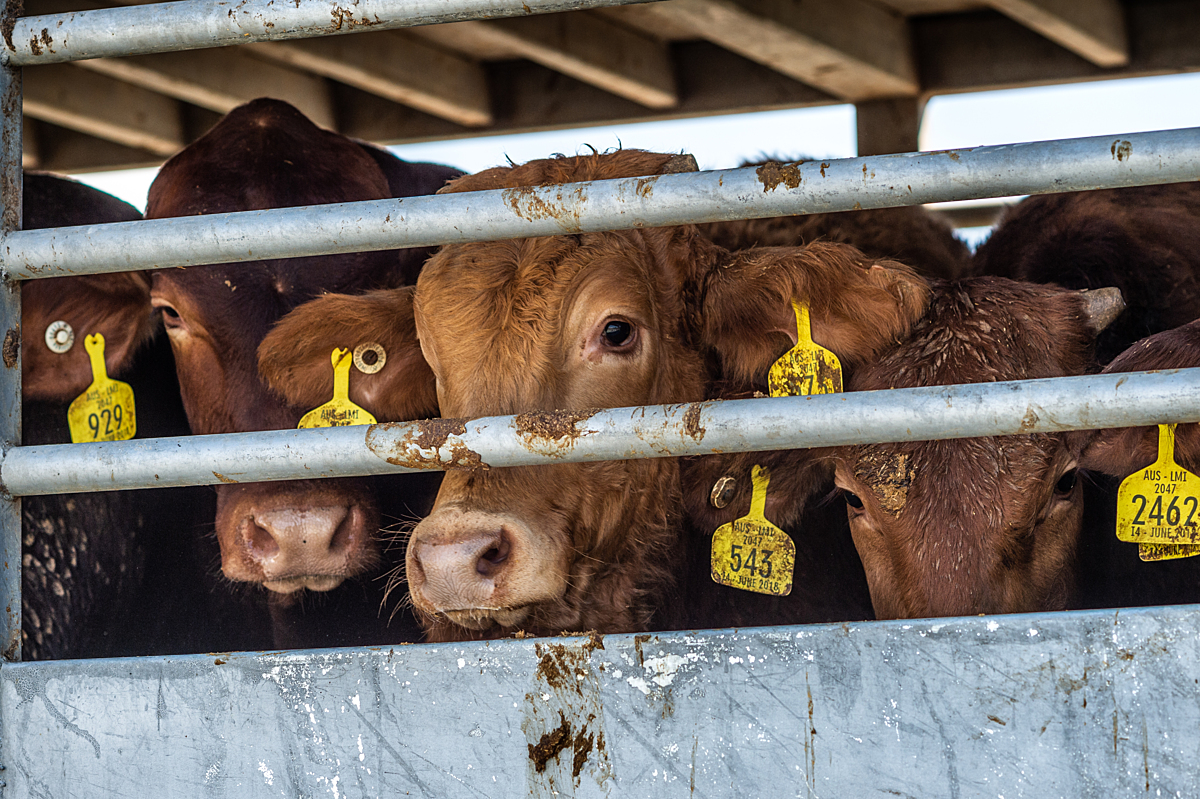
Indeed, one of the issues to most commonly stalk JBS has been its apparent role in the destruction of the Amazon rainforest due to cattle ranching. In 2019, one investigation in particular appeared to lift the lid on how the company’s beef was tied to forest loss. A truck driver had posted a photograph on Facebook detailing his journey carrying 250 cattle across the southern Amazon. The pictures showed JBS’s logo on the drivers’ truck and uniform and contained details of his route.
Perhaps unwittingly, the driver had provided the outside world with some of the first evidence suggesting the company was engaged in so-called “cattle laundering”. The driver was alleged to be moving animals reared on a “dirty” farm – linked to deforestation – to a “clean” one, ahead of slaughter and processing.
At the time, JBS said it had investigated the evidence and found that the collection farm “was not shown to be within any embargoed area” [areas in which cattle grazing are prohibited], that it didn’t purchase from farms involved in irregularities, and that it had “always been at the forefront” of efforts to stamp out cattle laundering.
Last year however, campaigners published a further investigation that appeared to show that “cattle laundering” was still happening within the company’s supply chains. Greenpeace alleged that beef from a farm that raised cattle on protected indigenous land may have made its way to overseas markets.
In response the company said the group had failed to demonstrate that the cattle in question had reached its slaughterhouses and that all purchases were made according to strict responsible sourcing policies. It also blocked the farm in question, it said.
“Dirty meat”
Food safety is another area of concern regularly cited by opponents of JBS. In 2017, a JBS subsidiary in Brazil was one of a number of companies caught up in a “dirty meat” scandal after police claimed inspectors had been bribed to allow the sale of rotten meat. (As part of the probe, known as Operation Carne Fraca – or Weak Meat – police also investigated allegations that some meat firms had been changing the expiration date of products, using chemicals to mask its bad smell and injecting water into meat to increase its weight.)
A later investigation uncovered that thousands of tonnes of chicken contaminated with salmonella, including some supplied by JBS, had been exported from Brazil to Europe, including up to a million birds to the UK. The revelations sparked outrage in Brazil after it was reported that some dirty meat rejected at the EU border was then sent back to Brazil for sale to the public.
JBS responded at the time that the Brazilian government’s investigation into the “dirty meat” issue had not “called into question the quality standard of its products”, and that the firm had followed European Union standards when exporting chicken to Europe.
In 2017, JBS in Brazil was also alleged to have bought beef from a farm that was under investigation by prosecutors for apparently using workers in conditions described as being like “modern-day slavery”. Documents showed that police had found men forced to live in inhumane and degrading conditions, with inadequate shelter, toilets, or drinking water. JBS said it stopped buying beef from the farm in question, following the findings.
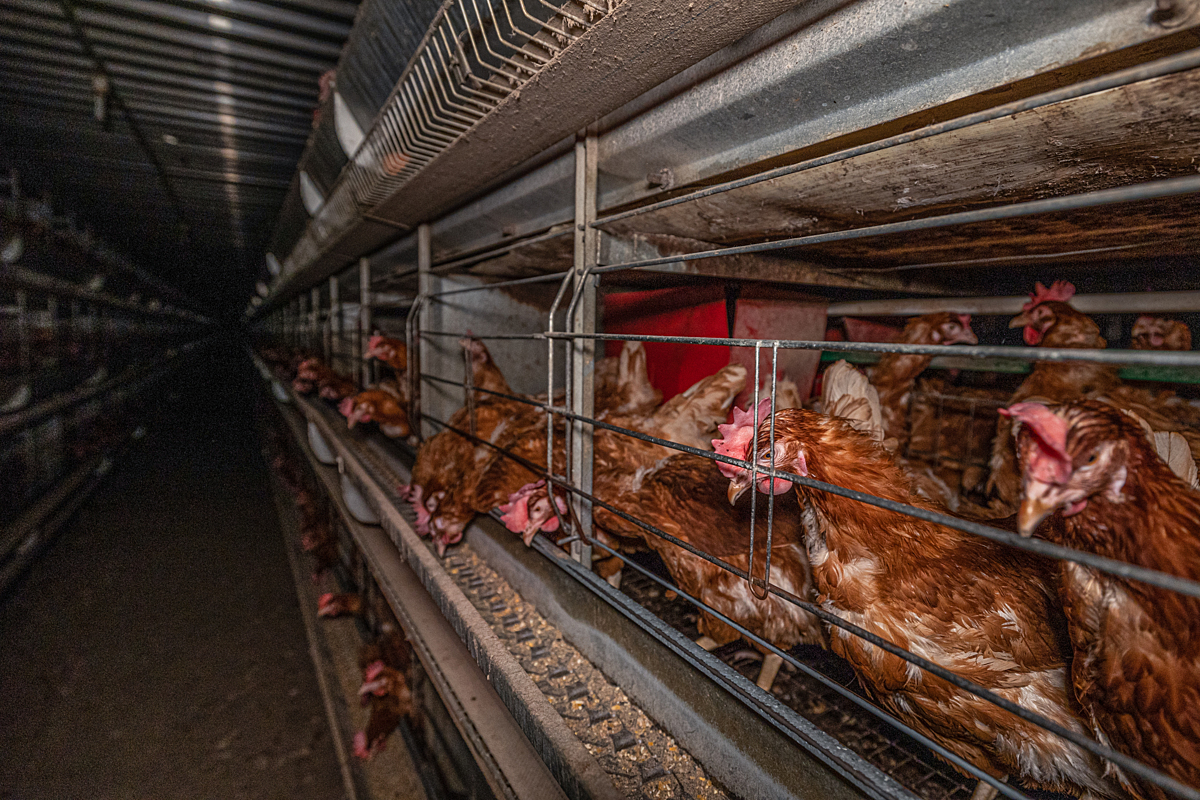
The same year, in the US, animal rights activists claimed undercover researchers had seen chickens being punched and beaten with iron rods at a farm and an abattoir contracted to a JBS-linked entity. And another campaign group released a video that it said showed workers at an American JBS supplier beating piglets and ripping off their testicles.
JBS said it suspended shipments from the pig supplier and had started an investigation, and that “it did not condone or participate in any type of animal abuse”. The firm’s other entity linked to the chicken issues also launched an investigation, it was claimed, suspending supply from at least one of the farms.
“Responsible food company”
In contrast to the extensive rap sheet wheeled out by JBS’s critics, the company presents a very different picture. It states that it cares about its “role in the world” and its “responsibility as a global food company.” It says it was the “first major global company in our industry to strive for net zero by 2040. We believe agriculture can be part of the climate solution. Our goal is to make it possible.”
It also maintains that its Deforestation-Free Sourcing Policy “prohibits all deforestation – whether legal or illegal in the Amazon biome and illegal deforestation in other biomes. This strict policy reflects our dedication to preserving Brazil’s unique ecosystems and supporting the long-term health of its agricultural landscapes.”
It also addresses animal welfare, stating: “As leaders in animal protein production, we have a serious responsibility to provide our animals with a good quality of life and a humane end. Across our operations, we have embedded animal welfare practices that demonstrate our respect for the animals on which our business depends.”
On slavery, the firm states it has “a zero-tolerance approach to both modern slavery and human trafficking. We are committed to implementing robust measures, to safeguard against any form of modern slavery or human trafficking within our company or our supply chains.”
Despite these positions, just days ago activists took the first step towards what they say could be unprecedented legal action against JBS, demanding disclosure of the company’s information on its “climate, nature and human rights impacts” in order to potentially challenge, via the courts, the corporation’s business policies, including its expansion plans in Nigeria.
In late 2024, JBS announced an agreement with the government of Nigeria for US$2.5 billion investment over five years for the construction of six meat-processing plants, according to the campaigners. Opponents in Nigeria have raised concerns, citing environmental, health, and social risks associated with industrial livestock farming, which they say is yet to establish a foothold in Africa.
In a legal letter delivered to JBS in the Netherlands (the company recently moved its global headquarters to Amsterdam), lawyers acting on behalf of Greenpeace set out multiple alleged breaches by JBS of Dutch law stemming from what the group said were “the extensive emissions and long history of environmental damage and human rights abuses linked to its business.” Under new laws, data held by Dutch companies can be accessed for the purpose of bringing litigation. The company has several weeks to respond.
The AGtivist and Wicked Leeks will be following developments closely.
Image c/o We Animals

0 Comments