

PAN UK, together with Coffee Watch, a non-profit watchdog, Inkota-network, a non-profit focussed on poverty and hunger, and Deutsche Umwelthilfe (Environmental Action Germany) used scientific literature, government data, and field research across Brazil, Vietnam, Kenya, Colombia, and other major producing regions to unpack the shady world of pesticide use in coffee production.
Their report shows coffee drinkers are being exposed to highly toxic pesticides that are banned in many countries. “Every fifth cup we drink is likely tainted by poison residues,” the report reads, and “many samples contain multiple residues simultaneously, forming a ‘toxic cocktail’”.
These include chemicals linked to cancer, neurotoxicity, reproductive harm, endocrine disruption, and catastrophic biodiversity loss.
In fact, pesticides banned in the EU continue to be exported to these coffee-producing countries where regulation and legal oversight is weaker. Coffee grown using these chemicals is then legally imported back into consuming countries, like the UK – the so-called chemical boomerang effect.
However, it is coffee farmers rather than drinkers who bear the heaviest burden when it comes to the morning brew.
“We have here a textbook example of environmental injustice,” said Silke Bollmohr, senior policy advisor global agriculture at Inkota-network, and lead author of the report. “Behind almost every cup of coffee is a farmworker who had no choice but to handle chemicals that wealthy countries decided are too dangerous for their own fields. Workers are dying and getting sick. This is a human rights issue, and let’s not forget that coffee consumers end up drinking poison residues.”
The dark side of your flat white
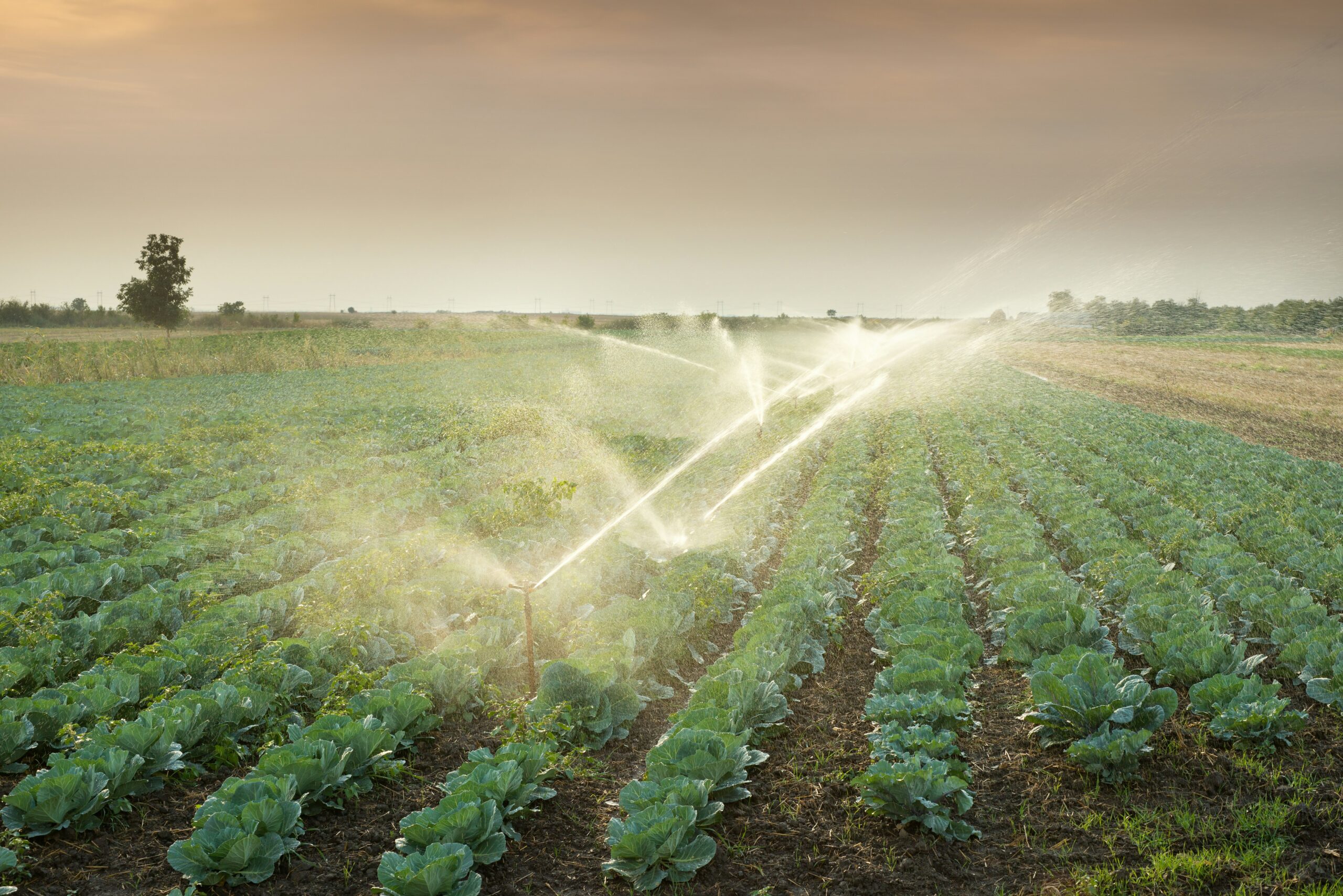
A single growing season can, for example, involve repeated fungicide, insecticide, and herbicide applications, primarily glyphosate and paraquat.
Through the mixing and spraying of pesticides, drinking contaminated water, and exposure to pesticide drift, coffee farmers face repeated, often daily exposure to some of the most hazardous chemicals in agricultural use, according to PAN UK’s report, ‘Poison in your coffee’.
Documented consequences include acute poisoning, respiratory distress, neurological symptoms, reproductive harm and increased cancer risk. Children and pregnant women are “especially vulnerable”.
The research – which is believed to be the first synthesis of the dependence of the coffee sector on highly hazardous pesticides (HHPs) – showed that 159 pesticide active ingredients are used in coffee production across major producing countries. Some 60% of those are HHPs and 59% are banned in the EU.
They also found: 14 ingredients are WHO (World Health Organisation) Class 1A/1B (extremely or highly hazardous); 22 are carcinogenic or probably carcinogenic; 40 are reproductive toxicants or endocrine disruptors; and 29 are neurotoxic.
The problems with these “poisons” extend to wildlife too: 46 of the active ingredients are very toxic to bees; 48 are very toxic to fish, contaminating rivers and watersheds; 18 are toxic to beneficial insects essential for natural pest control; and 11 are toxic to earthworms, undermining soil health.
Building this picture wasn’t easy, however: “Much global data on coffee and pesticides is missing or hidden,” the authors explained. Where data does exist, it reveals “staggering chemical intensity”.
Going back to coffee’s roots
Tackling this crisis will be difficult, too, requiring “genuine system transformation”. This means preventing pest pressure from arising in the first place: through agroforestry, biocontrol, and diversified farming systems that work with nature rather than against it.
The authors of the new report said: “A truly agroecological coffee system doesn’t just produce cleaner beans; it rebuilds ecosystems and creates conditions for farming communities to thrive without being poisoned.”
The research is not the first to sound the alarm over the reliance of chemicals in coffee production (nor will it be the last).
For example, a meta-study published in the journal Plant Pathology in 2023 showed how, in Brazil, the world’s largest coffee producer and pesticide consumer, chemical pesticide use increased by 190% in a single decade. Estimates also showed that roughly 38 million kilograms of pesticides are used annually in Brazilian coffee production. And since 2019, 475 new pesticides have been approved in Brazil, with more than a third of these not approved in the EU due to their toxicity.
“If we want to enjoy our morning coffee in the future, we’ll need to stop producing it like there is no tomorrow,” said the study’s author Athina Koutouleas, from the University of Copenhagen, Denmark. “Pesticides are effective against pests and plant diseases and can provide coffee farmers with a high yield in the short term. But in the long run, you shoot yourself in the foot by destroying ecosystems and health at large.”
For around three decades now, coffee has been grown as a monoculture, with the plants subjected to a barrage of attacks from insects, bacteria and fungi (all likely exacerbated by climate change too).
Applying agroforestry was one of the “sustainable strategies” put forward by Koutouleas. The coffee plant originated thousands of years ago in an environment shaded by a rich array of plants, shrubs and trees in southwestern Ethiopia. This is the traditional way Ethiopian farmers grow coffee, and often has the advantages of minimising pests and diseases while strengthening plant health, biodiversity and ecosystems, she explained.
Koutouleas said farmers that implement green initiatives should be rewarded through compensation programmes. “Emphasis should also be on coffee roasters, importers and other links in the value chain with sustainability programmes that actually make a difference to the coffee plant, the environment it is cultivated within and the people who cultivate it,” she added.
Time for organic growth?
The average Brit drinks 1.5 cups of coffee a day. Around 90% of our 98 million combined cups per day are made at home, but coffee culture shows no sign of slowing down.
The UK branded coffee shop market has just achieved its fifth consecutive year of outlet growth since the pandemic, adding 420 net new outlets over the last 12 months to reach 12,313 outlets. Almost 8 million of us visit coffee shops regularly.
Organic’s share of all this coffee is tiny in both the UK and the EU. However, there is growing interest in organic coffee, especially among more committed buyers of organic food and drink looking for “affordable ways to use great quality ingredients”, noted the Soil Association in its 2026 market report.
Lumina Intelligence, in its UK coffee report 2025, also cited “increasing demand for locally sourced ingredients and ethical transparency”.
Whether or not coffee lovers are alarmed by the prospect of pesticide residues in their coffee, the report’s authors argue that the status quo is untenable. After all, the greatest poison in the coffee supply chain may not be what lurks in the cup, but a production system that treats human health and nature as expendable ingredients.

This is tough for the workers and producers . Changing takes time. I always wondered how we suddenly managed to offer coffee at every corner. Because somewhere down the line corners are cut .
Which coffee beans can we trust to be truly organic?