
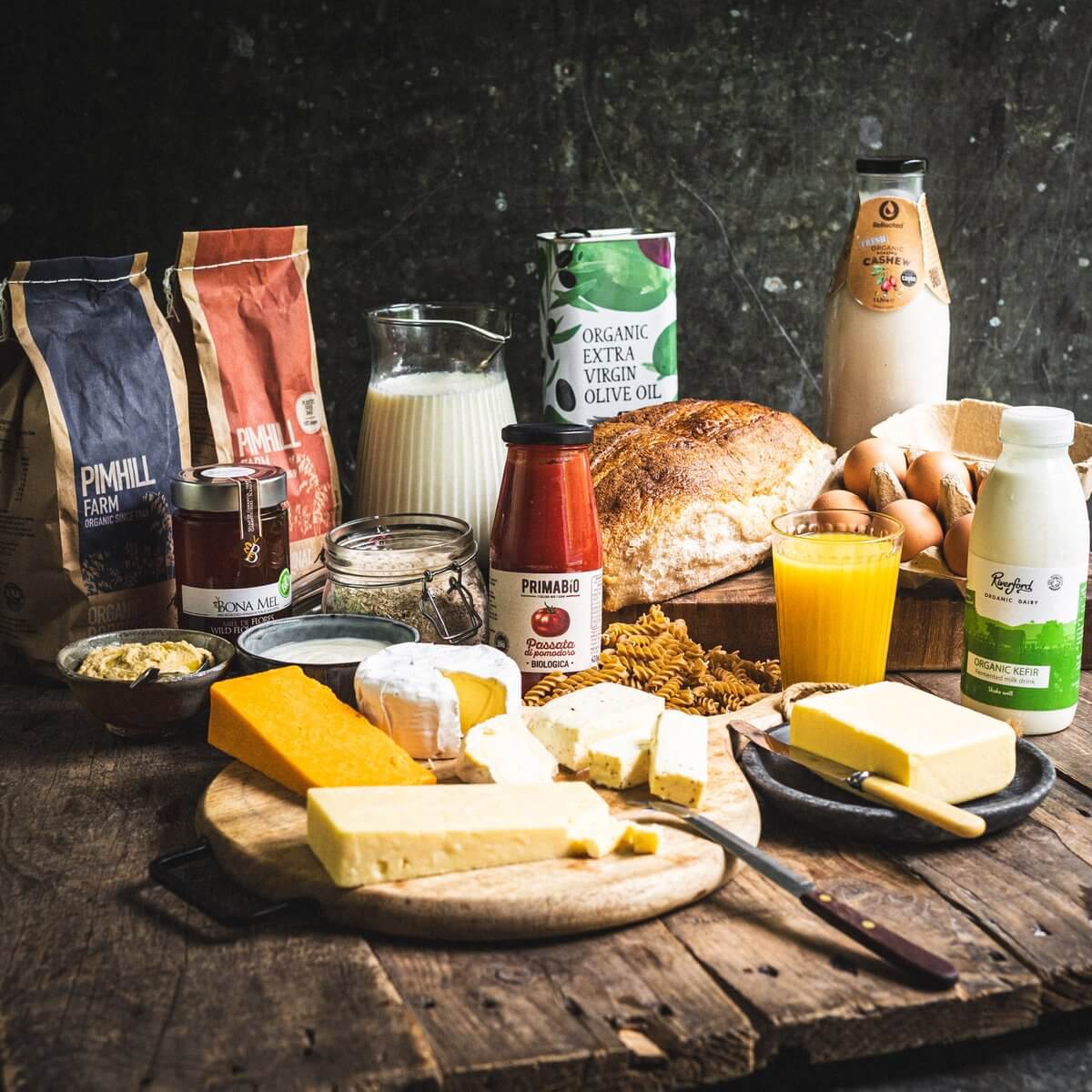
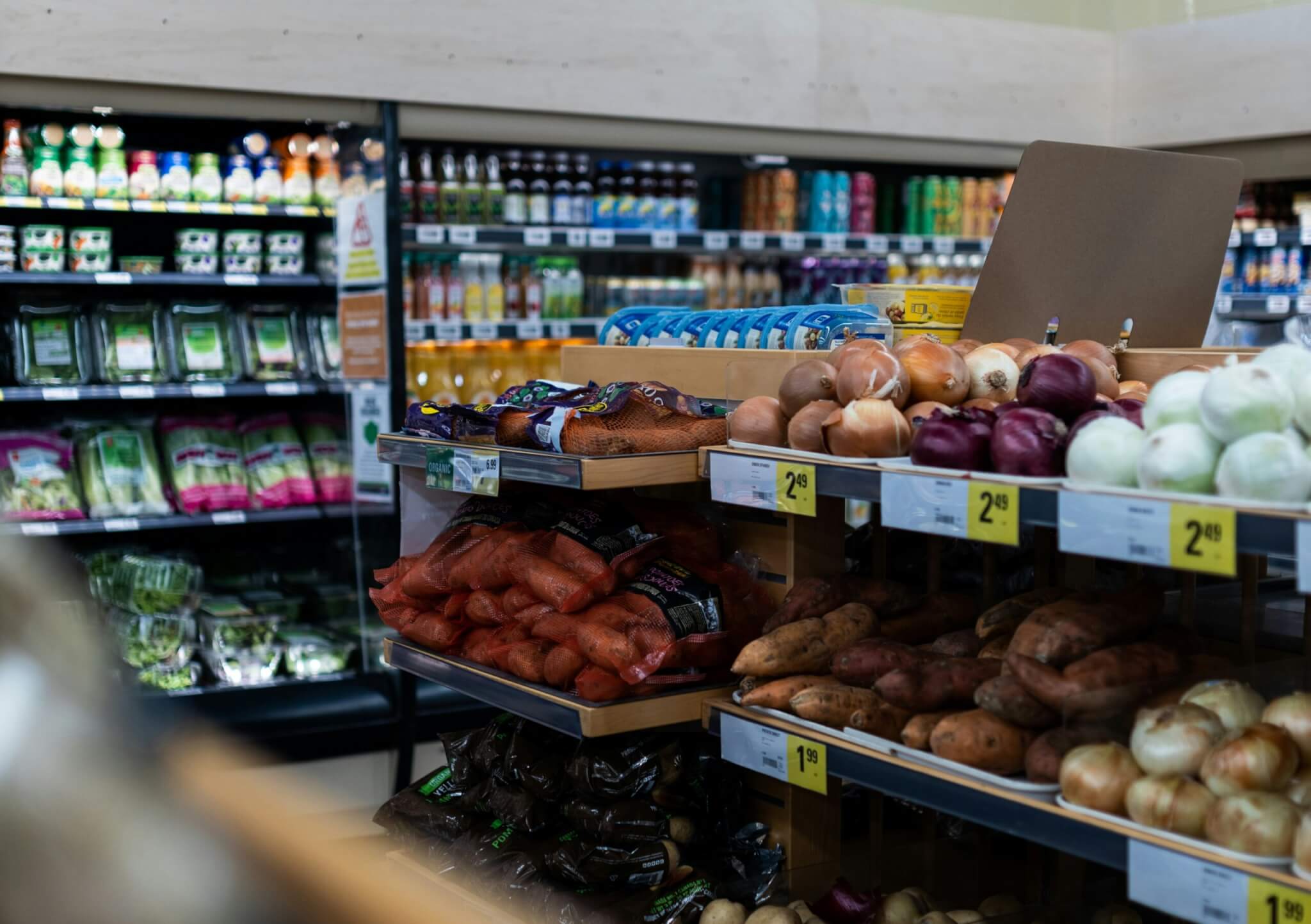
In 2025, overall sales of organic produce and products increased by 4.2%, with the major driver of this being the growth within supermarkets, where there was a sales uplift of 7%. Organic is also outpacing non-organic with the unit growth of organic in supermarkets four times that of non-organic.
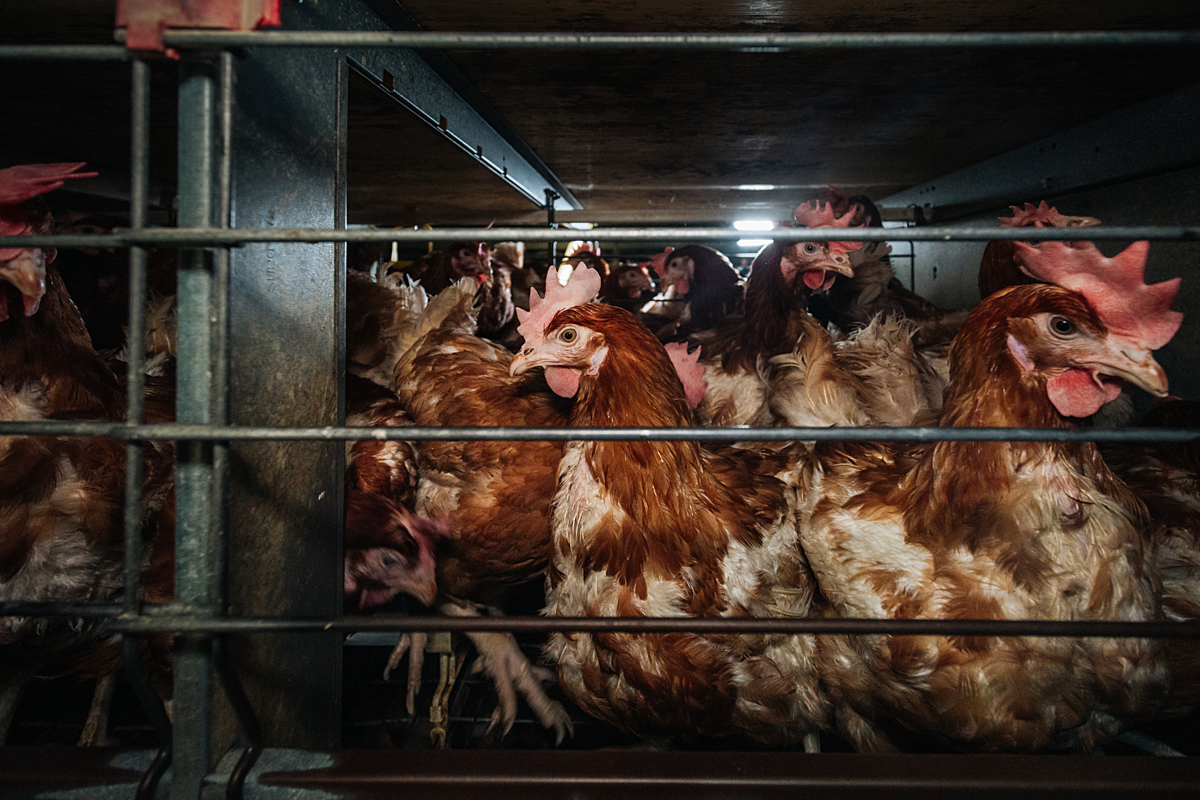
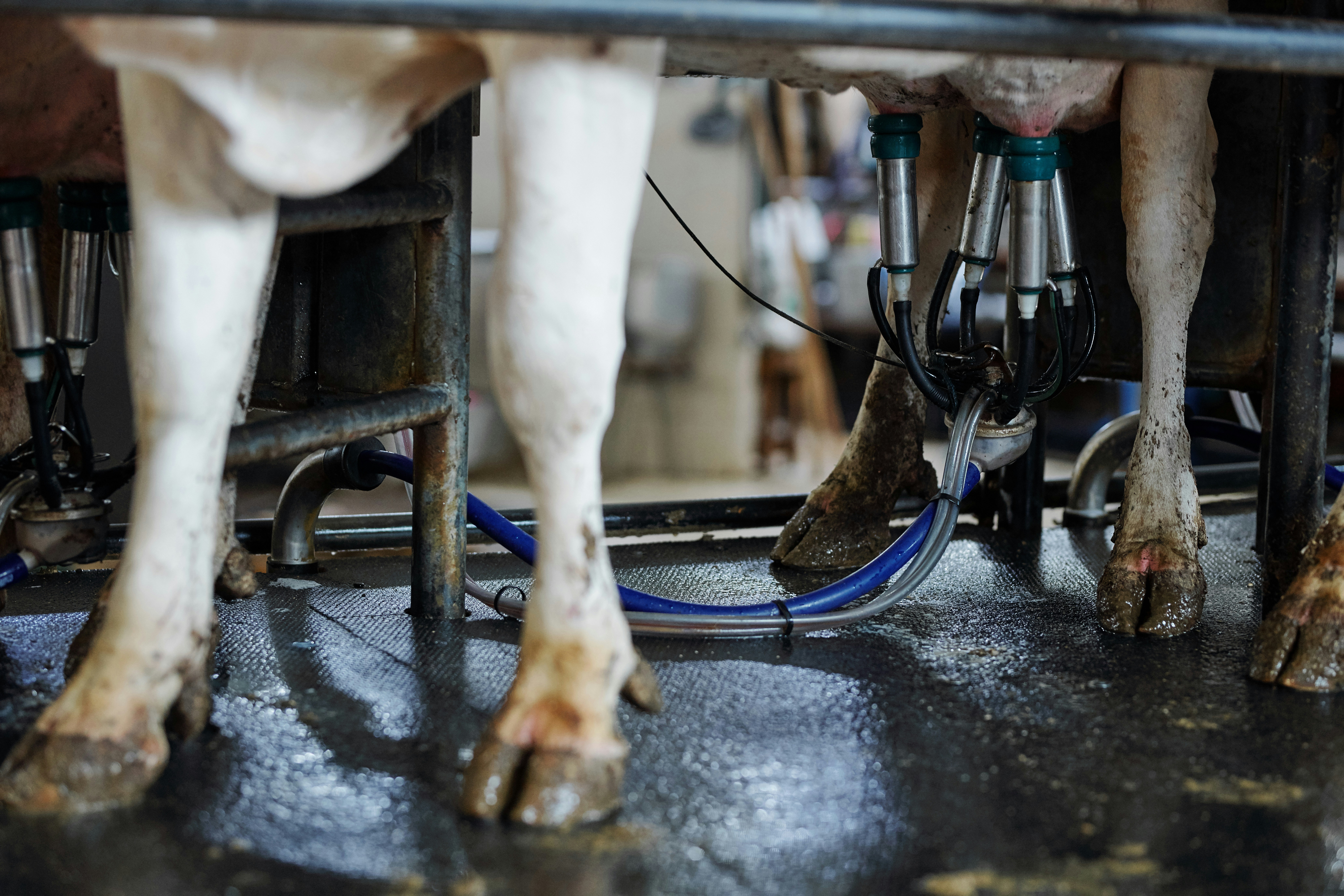
Dairy has been one of the biggest drivers of growth – particularly organic milk and eggs – both of which returned a volume sales uplift of over 8%. Bananas, carrots and salad also had impressive years.
Most organic farmers (85%) report sales either growing or staying stable with less than 10% experiencing a sales drop, according to a farmer survey conducted as part of this year’s Organic Market Report, compiled by Soil Association Certification.
The report also revealed that the frequency of organic purchases has increased in supermarkets, with shoppers, on average, buying organic once every 3 weeks.
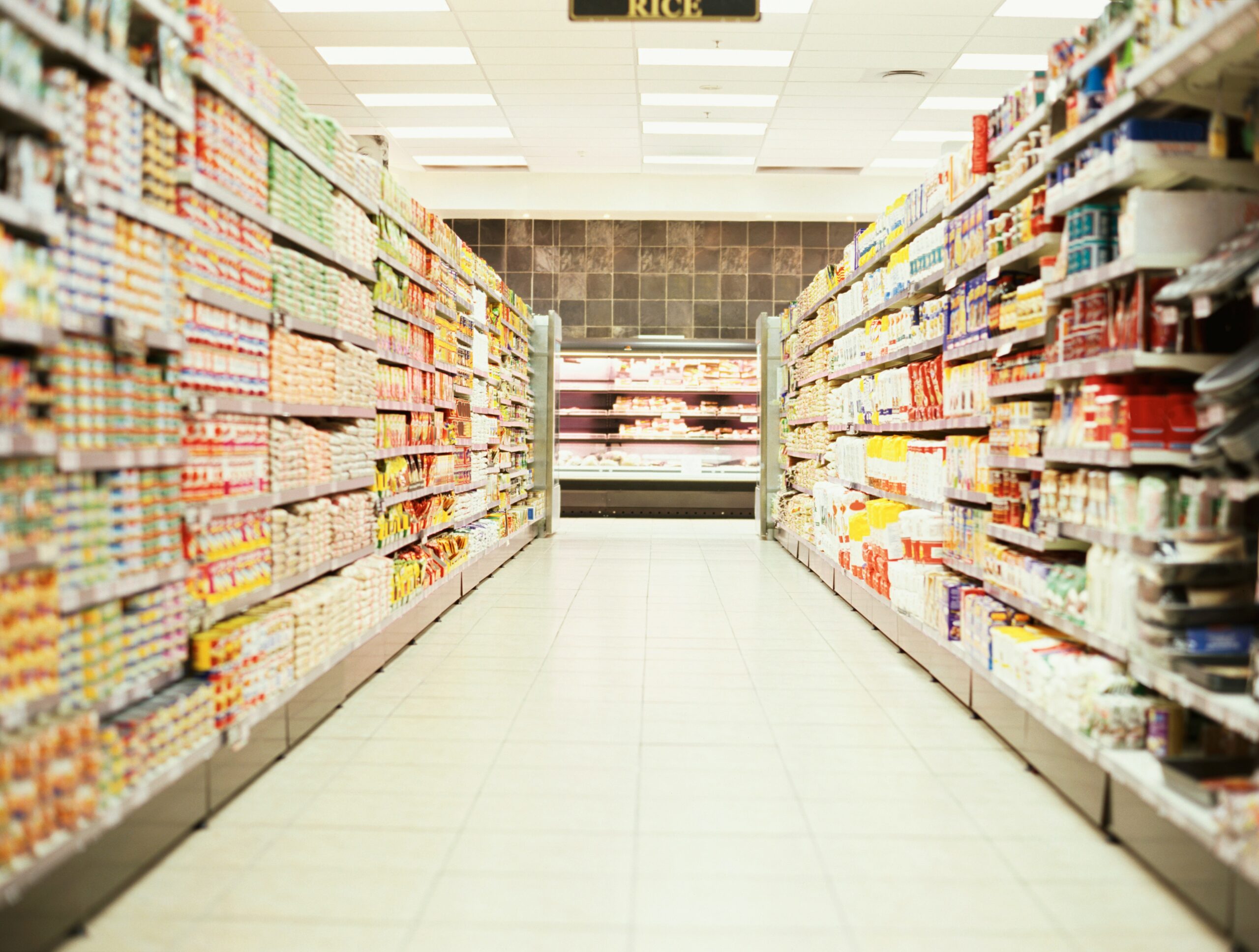
Organic food still remains a small part of overall food and drink sales. But major retailers finally seem to have realised that consumers want more organic produce for health, environmental and welfare reasons. Many have reacted with rebrands and extensions of their organic ranges, along with more price promotions and loyalty discounts. Tesco has revamped its 100 or so organic lines, citing that “quality, great‑tasting organic food really matters” to customers, whilst Waitrose expanded its Duchy range to 250 products.
“The continued growth of the organic market reflects the strong consumer demand for nature-friendly food,” said organic farmer and Soil Association farming advisor Adrian Steele. “With high demand for organic products that are predominantly produced in the UK, we can also be encouraged that shoppers looking for organic’s environmental and welfare benefits also seem to be seeking to back British farmers,” he added.
Indeed, the data showed that 83% of UK households are now buying organic and that shoppers are “seeking to back British farmers” when they do, with strong growth in organic milk, eggs and carrots which are predominantly produced in the UK.
However, the positivity surrounding strong demand is overshadowed by concerns over supplies. The UK has become increasingly reliant on imported organic food and drink as overall organic production remains stagnant.
The latest government figures, covering 2024, show the overall percentage of organic UK farmland stuck at 3%. While there was an increase in land in-conversion in England last year, this dramatically slowed when the Sustainable Farming Incentive (SFI) closed abruptly.
The UK government has just revealed details for the new SFI and this included a renewed commitment to organic. Support for converting to organic and ongoing management of organic land will be included in the new scheme, which is set to reopen via two application windows in June and September. Support for the smallest of farmers is less assured, as Wicked Leeks reported last week.
However, England has yet to set any targets to increase organic production; unlike Scotland which is aiming to double its organic farmland. Soil Association Scotland co-director, David McKay, said recently that, “while the market share is still small, organic food and drink has grown by 20.6% in five years. We believe right now is the best time in decades for farmers in Scotland to grab onto a market that is only growing.”
The EU has also committed to achieving at least 25% organic farmland by 2030. At an event held in Brussels this month on the future of organic farming and the support needed to meet this target, Jürn Sanders, director of the Research Institute of Organic Agriculture (FiBL), presented evidence on the environmental and socio-economic benefits of organic farming. He also noted that organic farming is particularly attractive to younger farmers, making it relevant not only for environmental goals, but also for the future viability of European agriculture.
Do ministers in Westminster realise any of this? The public “can see how the climate emergency is impacting their lives and want to be part of the solution. But, sadly, the UK Government doesn’t seem to share this commitment,” noted Soil Association Certification chief executive Dominic Robinson in his foreword for the 2026 market report.
Somerset organic dairy farmer Sophie Gregory, chair of the newly-formed UK Organic Dairy Roundtable, said: “The opportunities for organic dairy are huge, especially around animal health, environmental delivery and meeting the growing demand for natural food. But we also know the challenges have never been greater, from volatility to processing bottlenecks and the need for long-term confidence.”
The organic sector has fought hard to ensure that organic was included in the renewed SFI, but a longer-term vision to enable farmers to commit to more nature-friendly farming methods with the security of knowing support and fairer access to markets will be there is sorely lacking.
Steele suggested that an English version of Scotland’s organic action plan “would catalyse the public and private partnerships that will give farmers assurance in committing to organic conversion. Consumer demand is there for the taking – we should not allow it to continue to be met by imports,” he added.
Them and US – similar organic issues
There is similar frustration in the US, where sales of organic food and drink are also growing at double the rest of the market, according to figures just released by the US Organic Trade Association (OTA). “For the third year in a row, organic has grown faster than the total market, which indicates shoppers are prioritising their health and the planet, and are willing to pay a premium for it,” said Tom Chapman, co-CEO of the OTA.
As in the UK, demand is being met by imports. Commenting on the figures, Paul Lightfoot, who leads the food business at Patagonia, said: “When demand doubles and supply contracts, you are looking at structural distortion. The distortions are not hard to find. Tens of billions of dollars in annual farm subsidies flow overwhelmingly to commodity cropland based on chemical inputs.”
Lightfoot, as others have long argued, highlighted how subsidy systems continue to disadvantage organic farmers. “We are paying farmers to grow the wrong things, the wrong way, for the wrong purposes, and giving them enough support that they cannot afford to do it differently. And the lobbying apparatus that maintains these arrangements is enormous,” he added.
Changing geopolitical headwinds suggest it is more important than ever that the UK can become more resilient and self-sufficient in meeting demand for organic products.
Indeed, just a few weeks ago, the UK government Department for environment, food and rural affairs (Defra), published a national security report that warned: “Without significant increases in UK food system and supply chain resilience, it is unlikely the UK would be able to maintain food security if ecosystem collapse drives geopolitical competition for food. The UK relies on imports for a proportion of both food and fertiliser and cannot currently produce enough food to feed its population based on current diets. Countries best placed to adapt are those that invest in ecosystem protection and restoration, and resilient and efficient food systems.”
Global ecosystem degradation and collapse threaten UK national security and prosperity, the short report noted. The world is already experiencing impacts including crop failures, intensified natural disasters and infectious disease outbreaks and these threats “will increase with degradation and intensify with collapse”.
Alex Cullen, Commercial and Marketing Director at Soil Association Certification, called on the UK government “to meet consumer demand and safeguard the future of sustainable farming in England with a clearly funded plan. Organic farming is crucial for delivering the UK’s climate and nature goals, backed by the UN who point to more organic food in people’s diets as a way of reducing the emissions that contribute to global warming,” she added.

I am not sure that looking at organic sales overall provides the most interesting picture. Two metrics are missing:
1) Your article says the organic acreage in the UK has been static at 3 % for ten years, so how can you conclude that there is growth in UK organic sales? What’s missing is the absolute acreage of organic farmland, not the just the percentage, because if the acreage does not increase then the amount of UK organic produce being sold will struggle.
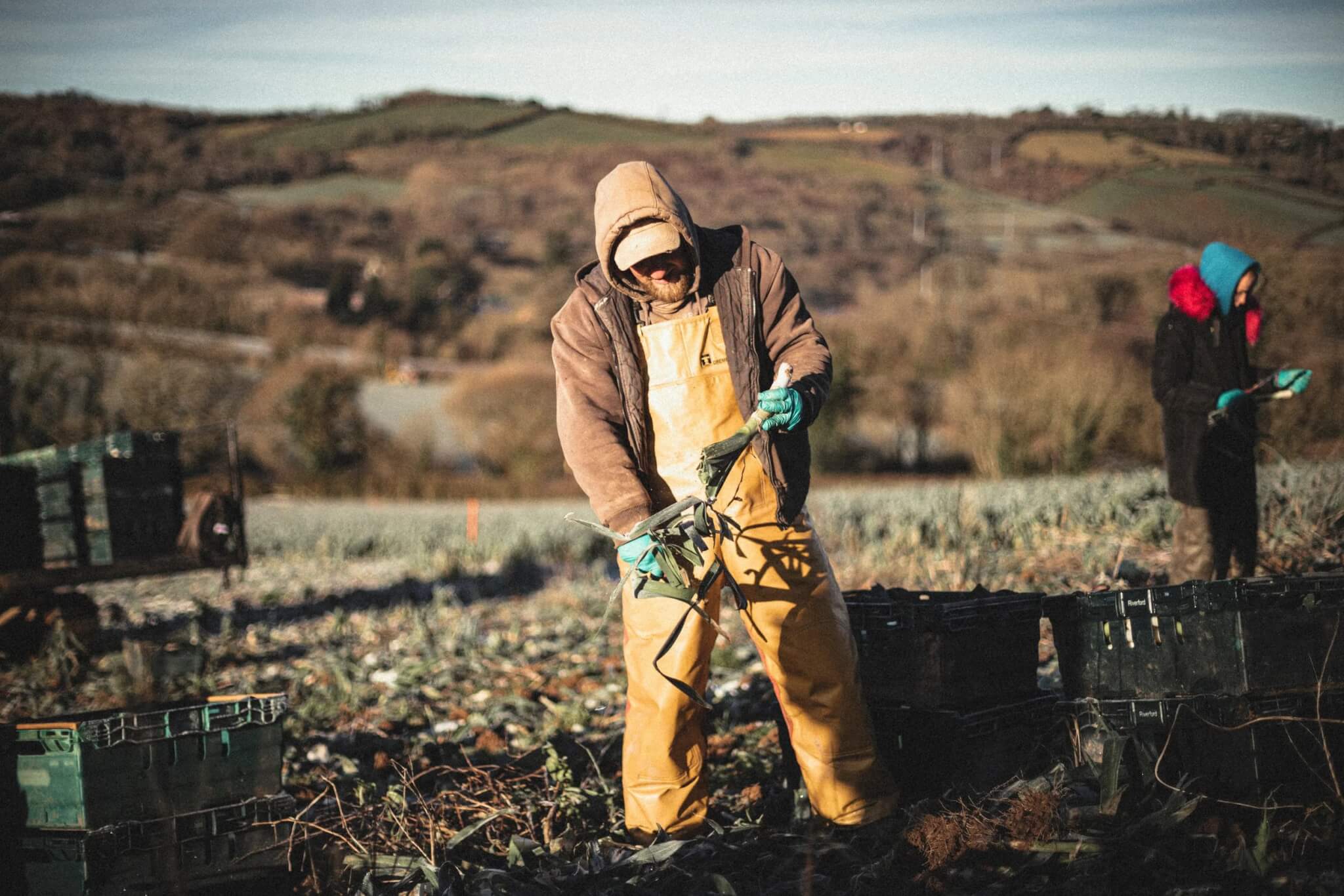
2) The cost of food overall has been slowly declining for decades. In the 1960s food costs were about 25% of disposable income; now food costs are about 10% of disposable income. A more interesting metric that is relevant to you article would be the relevant tonnage of UK organic food produced from year to year. Although farmers have got more efficient over the years, farm income has steadily declined. In 1976 we sold our organic courgettes for 70p per pound, wholesale, about £1.54 per kg. Last summer our wholesale price for courgettes was £2.00 per kg, That’s a 30% increase in 50 years. Wages however went from £1.25 per hour to £12.50, a tenfold increase in those 50 years. Our courgette plants are slightly higher yielding, but we still have to bend over to pick every one by hand. and that takes just as long to pick a kilo as it did 50 years ago.
Another interesting view of UK organic food sales is this: many growers now operate a box delivery service year round, and to keep customers happy and sales numbers up they buy in produce from other organic growers, both UK sourced and foreign. Growing food crops is a chancy business, every year some of the 60 or so products we grow do well and some do not, but we never know in advance which crops will be in surplus and which will be short. The variable weather plays a very big part in this lottery. When we have a crop surplus we sell to other box delivery companies; when we are short we buy in from other growers, or from abroad. So what is being reported in the statistics in your article? How much tonnage does Riverford actually grow in the UK, or how much does Riverford manage to sell including what other people grow? Without knowing how those statistics are derived, you could be misleading your readers.
Is it possible the increase in organic sales is mostly – – or entirely – – driven by imported organic products, or by UK farm incomes that include bought-in products being resold?
It’s an interesting point and the statistics you put forward shocking.
I was involved in an organic meat box company years ago, the fact is when the economy suffers luxuries such as organic food are the first to suffer.
From a consumer perspective there is much confusion, Red Tractor Organic, regenerative plus the supermarkets making out food is from their farms that do not exist.
There is also the issue of labelling meat. Too much Halal and Kosher meat is getting into the food chain with the public unaware of the suffering involved in such slaughter. if the Animal Welfare bill says boiling a crab alive is cruel slitting a sheep or bullocks that without stunning should be banned too.
The fact is there is much ignorance about the food people consume, and they are just realising that many of the health issues that are on the increase are down to the crap they consume!
Rant over!
In response to Richards @ Radford. Yes, as explained in the article, UK consumers are buying more organic produce, year on year, and the UK organic sector has therefore had its 14th consecutive year of growth. Unfortunately, most of that growth has been supplemented by imports – as correctly stated in the article, the UK organic farming sector itself has remained stagnant at 3% of overall agricultural land usage for over 10 years. The article does not malign importation – it is a simple statement of fact, alongside recognition that in order to achieve more domestic food resilience, and meet domestic demand, more investment in domestic organic production is also needed. If you would like specific information from Riverford, you are welcome to contact them directly.