

Look and listen closely enough, and the signs of nature in decline are everywhere.
- The birdsong in our skies is slowly quieting – with 19 million breeding pairs gone since 1966.
- The colourful flash of many of our butterflies is now a memory, with half of British species now missing from places where they would have been common in the 1970s.
- More and more of our fields have turned an unnaturally vivid green, their natural colouring lost to nitrogen fertilisers.
- Our hedgerows are no longer crowded with a tapestry of wildflowers. Our waters are plagued by algae, as chemicals travel far beyond farmland and leave species from kingfishers to freshwater insects facing a life-or-death struggle.
This is the harrowing reality of much of our present day farmland; the ‘silent spring’ we were all warned about many decades ago. And, of course, there is a link connecting all this loss and destruction of nature: chemical pesticides and nitrogen fertilisers.
“Our countryside is being drenched in pesticides, with devastating consequences for bees, birds, butterflies, rivers, and the soil, said Nina Schrank, senior campaigner at Greenpeace UK. “Fields that once hummed with wildlife are falling silent while agrochemical giants rake in enormous profits and farmers are trapped in a costly cycle of chemical dependency. That doesn’t strengthen food security – it makes it more fragile,” she added.
Schrank has just helped produce a new analysis of official pesticide usage survey data published by Fera Science, a joint venture between Defra and Capita specialising in food safety. The findings, though on a small number of fruits and vegetables, are a damning indictment of our reliance on intensive production systems.
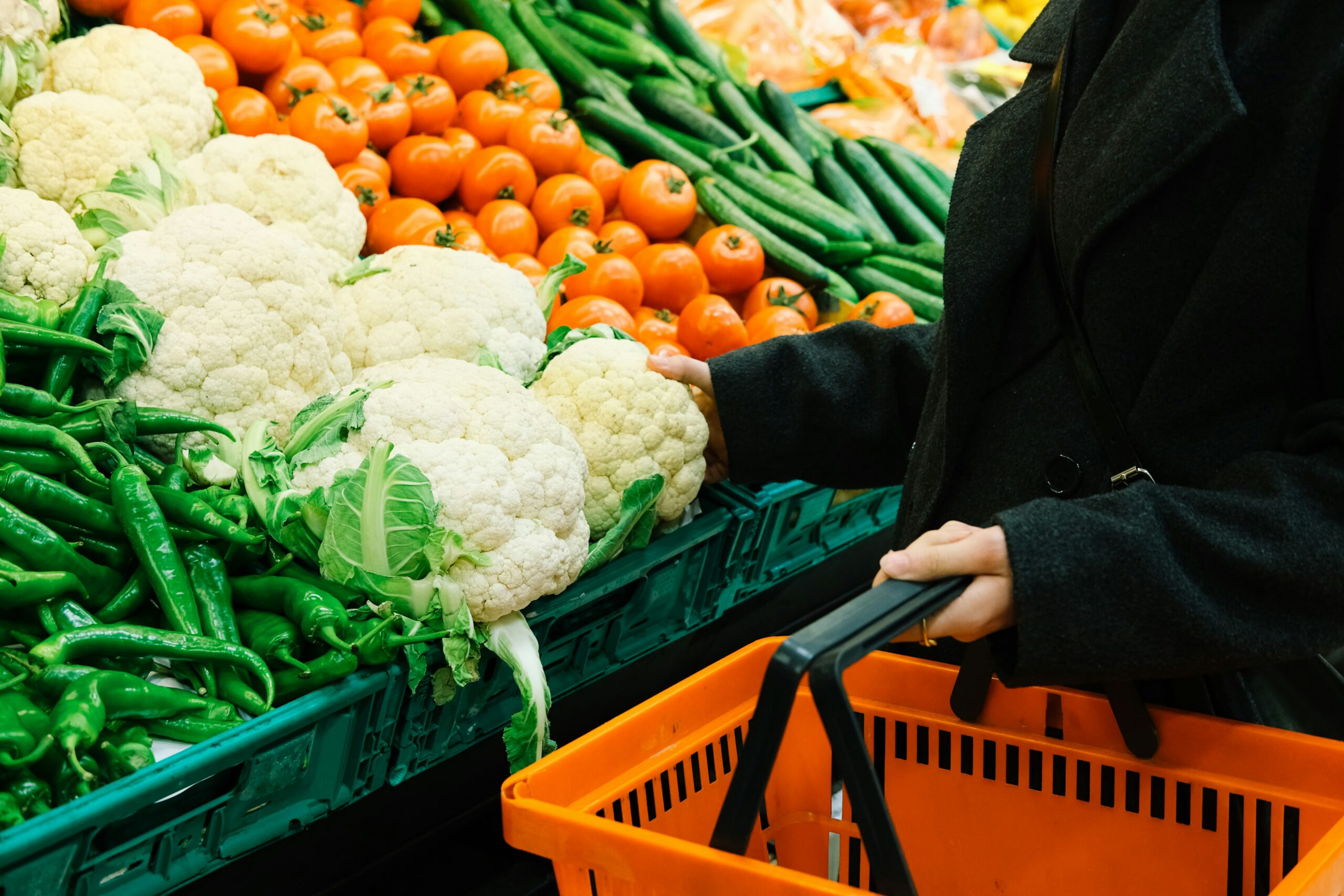
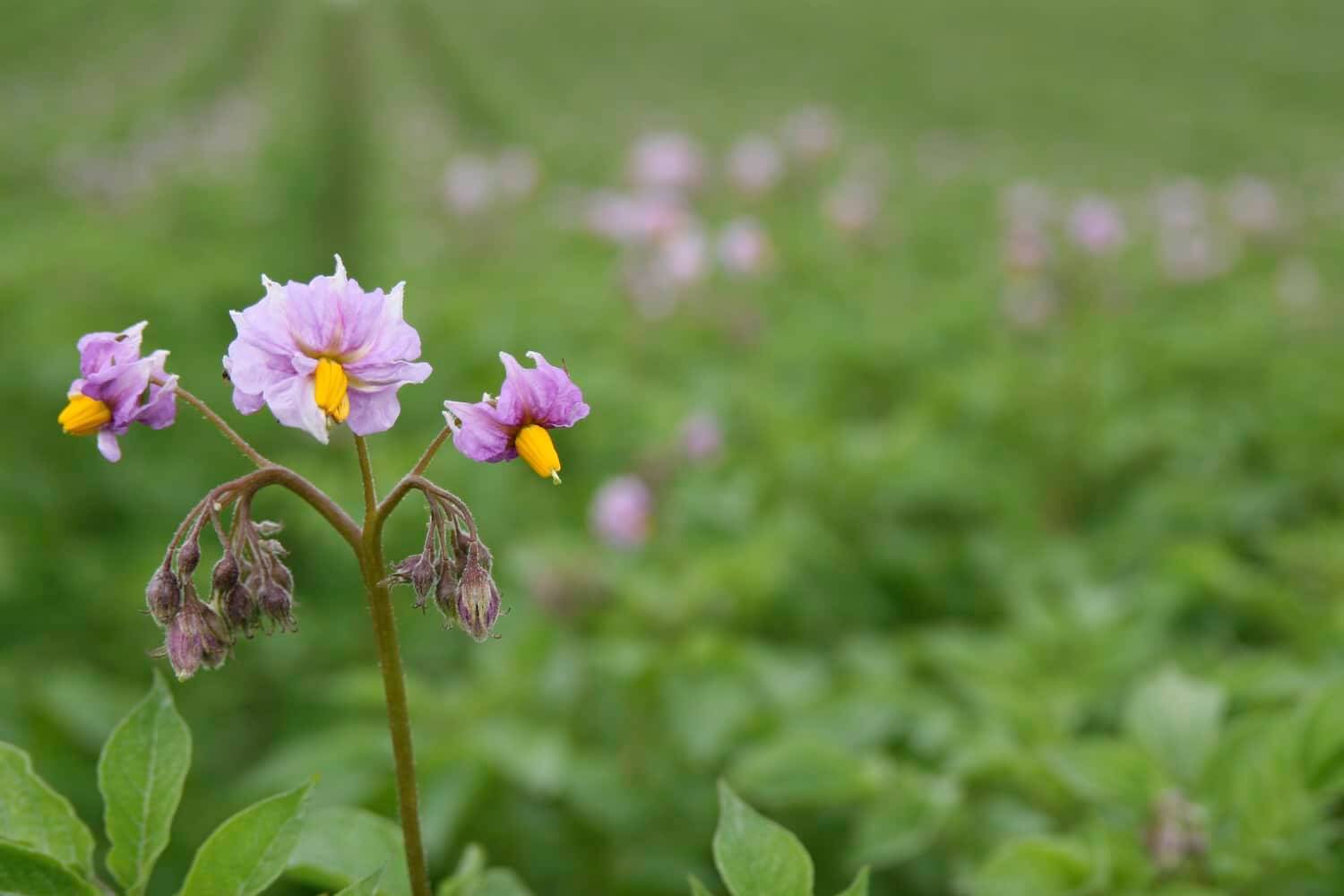
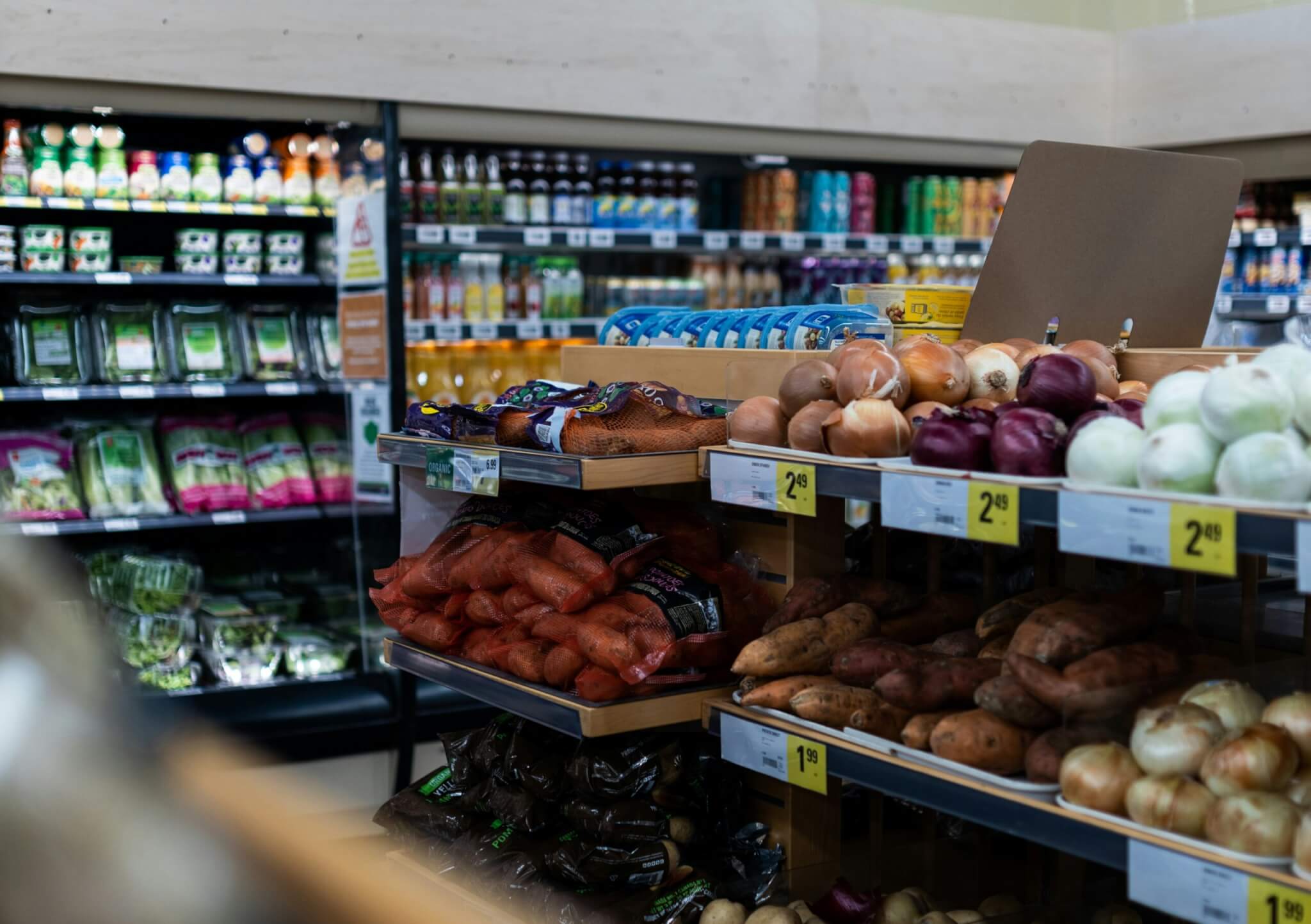
Across just seven vegetables and soft fruits, a total of 102 unique pesticides were used. Onions and leeks are, for example, treated with 43 different pesticides, strawberries, 42, carrots and parsnips, 40, and potatoes, 31. Peas are treated with 29, swede and turnips with 20.
This means the vegetables in a typical British roast dinner, followed by strawberries for dessert, are produced using “a cocktail of more than 100 pesticides”. Seven of these pesticides are already banned in the EU. And of the nine pesticides most frequently used in the growing phase across these vegetable and soft fruit categories, nearly all are classified as highly hazardous pesticides. HHPs threaten bees, devastate aquatic ecosystems and can persist in the environment, accumulating in the food chain. A handful of them are also classified as forever chemicals (PFAS).
“This isn’t a one-time application; plant species, insects, birds and the soil are being hit over and over again,” said Greenpeace in its data analysis.
Poisoned land
The findings were published today (Thursday 14th May 2026) in Greenpeace UK’s new report, Our Poisoned Land, which warns that intensive pesticide and fertiliser use is not only posing serious risks to human health, it’s also pushing British wildlife and our natural environment to the brink.
“I think this is a moment to slow down and stop the treadmill,” explained Tim Lang, Professor Emeritus of Food Policy at the University of London, and author of the 2025 ‘Just in Case’ report for the National Preparedness Commission.
“We can grow food without these products. Not as much, perhaps, but so much of the vast acreages of grain and seeds onto which agrichemicals are spread in a country like the UK don’t feed people directly. They produce feeds for poor animal converters, themselves industrialised and commodified,” he added.
The conflict in the Middle East has once again exposed the oil-based commodities that drive the modern food system. Large companies are pushing for a relaxing of regulations on these chemicals in order to keep their profits flowing, or as they argue ‘to ensure food security and keep costs low’. The National Farmers Union has also warned of steep crop losses without these inputs.
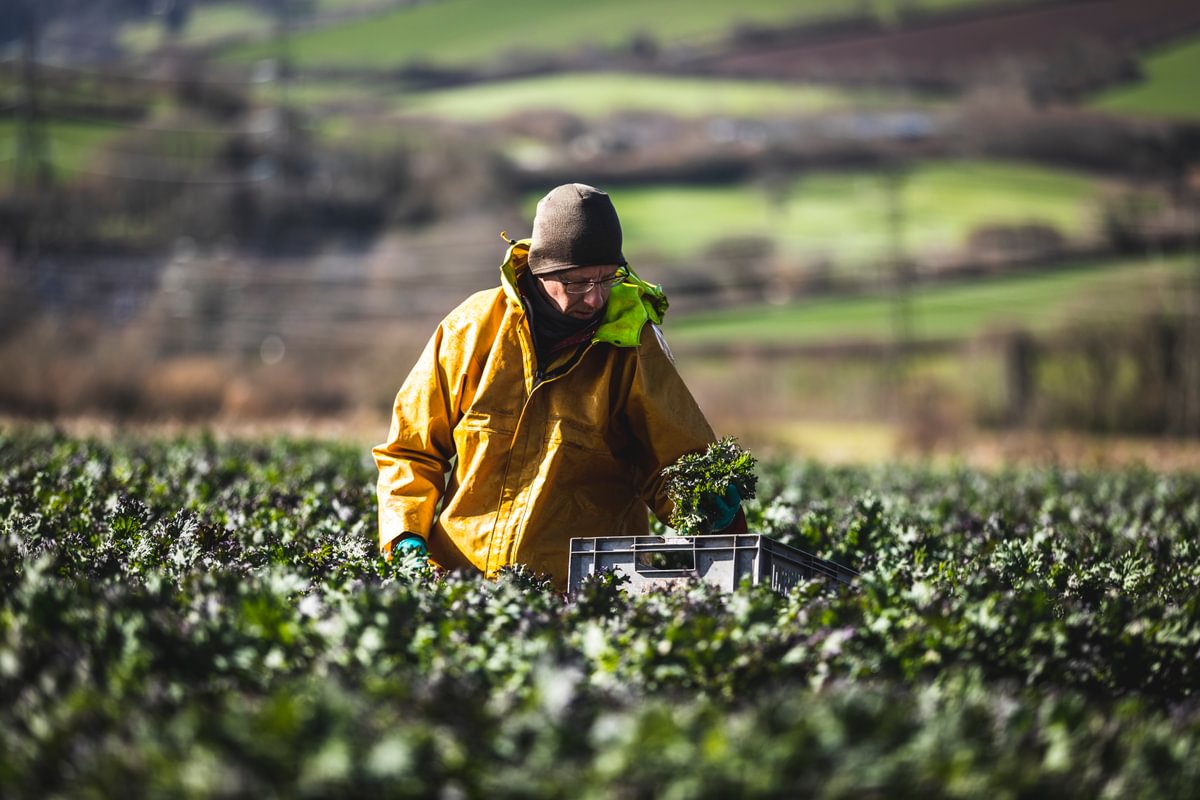
However, as Greenpeace’s report notes, this is not only about preventing further poisoning of the land through pesticide and fertiliser restrictions, but political and financial support for farmers to come off the chemical treadmill – which can be painful in the short-term but more resilient, regenerative and revitalising in the longer-term.
As Lang suggested: “[…] must we simply hope that normality resumes? Or do we say: enough! and ask: where now? Let’s develop a lower impact, positive food system.”
Indeed, there are others who feel that this is the moment.
Raj Patel, food system expert at the Lyndon B. Johnson School of Public Affairs, University of Texas, US, recently posted a fertiliser import vulnerability map on his website, showing the chokepoints and seasonal vulnerability of different countries to import shocks. What the map does not show, he noted, is that “agroecological food systems are resilient to exactly these kinds of geopolitical shocks”.
The Fuel to Fork report published by IPES Food in May last year showed how food systems are “hooked” on fossil fuels, which run through fertilisers and pesticides as well as ultra-processed foods, long-haul cold chains and plastic packaging. Food systems now consume 40% of all petrochemicals and 15% of fossil fuels globally, the report highlighted.
“[…] we need to take these warning signs seriously,” Jim Mellon, investor and chief executive of Agronomics, a VC firm focused on supporting solutions to strengthen the global food system, told me recently. The choice in 2026 is “clear”, he said: “Treat food shocks as a new normal or use them as the catalyst to build a cleaner, smarter future for our food.”
Regeneration gain
Regenerative agricultural approaches are being embraced, albeit piecemeal, by some of the world’s largest food companies. Real-world pilots are showing what is possible, how the clouds of concern (farmer confidence remains at an all-time low) can lift without heavy reliance on chemical inputs.
According to a Joint Research Centre study in 2024, regenerative wheat systems can reduce fertiliser costs by 18% while maintaining, or even slightly increasing, yields by around 5% over time. In addition, regenerated soils store carbon and enhance functional biodiversity – key factors in emerging environmental credit markets and corporate ESG accounting frameworks, noted the Ecowheataly project, taking place in Italy.
Wicked Leeks has also previously reported on hugely promising results from long-term projects involving regenerative agriculture and pesticide-free farming.
But many governments, including the UK’s, continue to ‘prop up’ fossil fuel-intensive farming, leaving many farmers with few options. The Pesticides National Action Plan for example targets just a 10% reduction by 2030. “If the government is serious about restoring nature and ensuring food security, it must properly back farmers and commit to halving pesticide use by 2030,” said Schrank.
Greenpeace is calling for new ambitious targets to “end the chemical era”. These include a 50% decrease in the usage, impact and toxicity of pesticides and synthetic nitrogen fertilisers, by 2030 (and as promised by the UK government in the Convention of Biological Diversity).
As in France, use of all pesticides must be banned for non-agricultural use, such as parks, campsites and all public areas (an issue that hit the headlines again this month in Cornwall as the council proposed re-introducing glyphosate weedkillers).
Greenpeace also said food grown with pesticides banned in the UK should not be imported, while as part of the UK’s realignment with the EU, the UK should adopt all EU pesticide standards, viewing this as a baseline, not a ceiling, with the intention that the UK will go further if EU standards are lowered.
The UK should increase the level of organic agriculture to reach 10% at a minimum, said Greenpeace, adding that “we have one of the lowest proportions of organic farmland in Europe, at just 3% of the total”. The barriers between organic and conventional farming should also be “broken down” in order to support more conventional farmers to adopt organic practices that work in their context.

It’s confusing that some of the veg mentioned as relatively pesticide-free on the annual Dirty Dozen list such as onions and peas are now mentioned as examples of the most saturated in poisons.
Choosing the absolute worst on the DD list, strawberries, as part of a typical roast dinner was a bit gratuitous, I think.
But I agree with the overall point. The problem is critics always point to the disaster of Sri Lanka’s switch to organic farming. But this was done too abruptly. I agree with Greenpeace that halving pesticide use is doable but the farming community needs to be massively reeducated.
Well it’s interesting that there’s only one comment on this article despite when having a simple roast dinner could have a hundred pesticides in so will affect are health perhaps more than helping.
We live in South Wales and the shores and rivers are being taken over by Japanese knotweed, slowly getting worse every year, yet nothing seems to interest anyone. Similarly in the beautiful Highlands of Scotland which we have just come back from, rhododendrons are everywhere, but they are poisonous to the land and animals.
Perhaps we have let the problem get so large that we are all trying to ignore it 🤔