
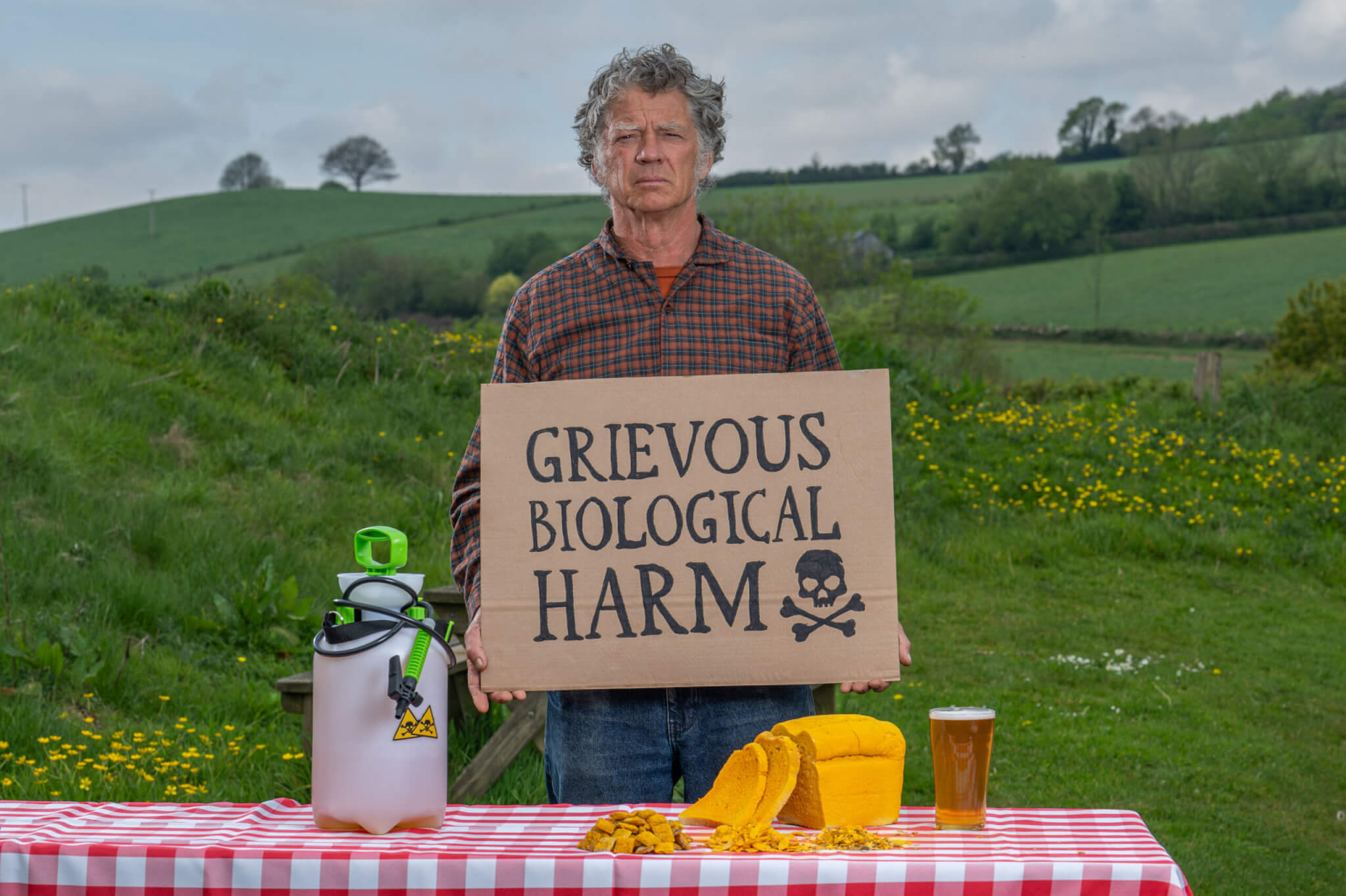
Last year, Wicked Leeks reported on a global carcinogenicity study on the chemical herbicide, glyphosate, manufactured and sold globally as Roundup. The global study found that rats developed multiple types of cancerous tumours when exposed to glyphosate levels deemed safe under EU law. Research was conducted by Italy’s Ramazzini Institute, including Professor Michael Antoniou from King’s College London.
“This is the first study to actually evaluate the long term acceptable daily intake of glyphosate. What’s also unique is that it compares two commercial formulations used by farmers. What we find is that leukaemia was detected at all doses of those subject to glyphosate, including, most worryingly, those exposed to the lowest dose,” explained one of the lead researchers, Professor Antoniou.
In 2015, the WHO’s International Agency for Research on Cancer (IARC), found that the herbicide was “probably carcinogenic to humans.” Since 1990, glyphosate usage in the UK has risen by 1000% – much of this growth driven by its prevalent use as a pre-harvest desiccant, applied to cereal crops including wheat, barley, and oats, just days before harvest to speed drying and make harvest more predictable. Detectable residues of glyphosate then remain in the food we eat – in fact, glyphosate is such a persistent chemical that 28% of bread samples tested by Pesticide Action Network (PAN UK) were found to contain glyphosate chemical residues.
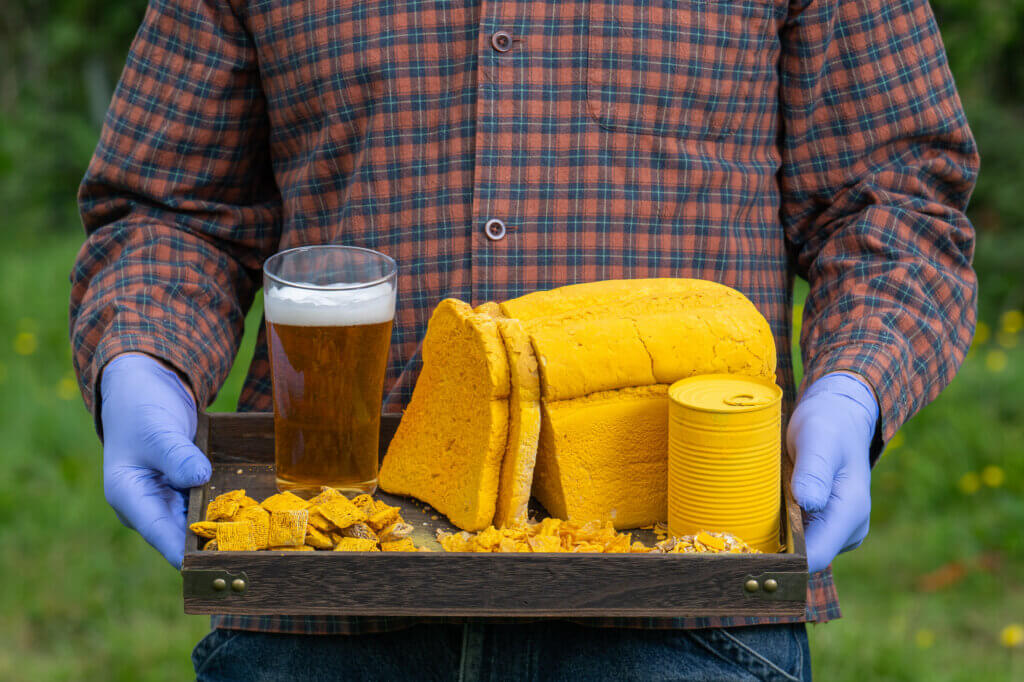
But new research by Riverford finds that 79% of people have never even heard of it and 70% were unaware that traces of weedkillers like glyphosate can remain in the foods we regularly eat, which is why Riverford is calling on the UK Government to ban its use as a pre-harvest desiccant – a practice that has already been banned in Europe.
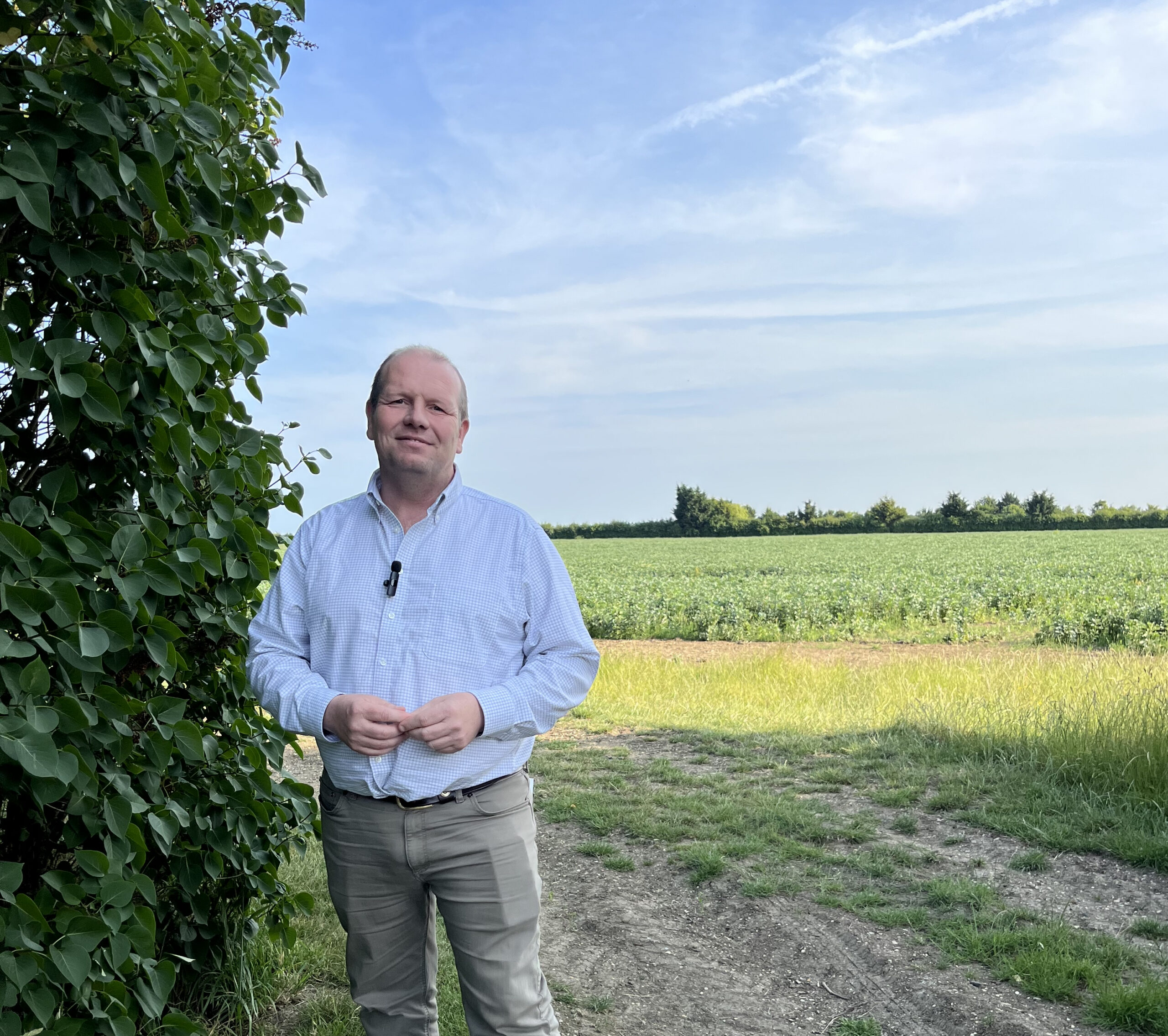
“Farmers don’t use these chemicals without reason,” says Riverford founder, and organic farmer, Guy Singh-Watson. “Glyphosate is effective, affordable and dependable. It helps manage weeds and reduces the need for more labour-intensive methods. It sounds efficient, and commercially it is. But it comes at a cost we can no longer ignore.In this case, the benefits in reduced food prices are infinitesimally small but the risks substantial; it just doesn’t add up.”
Riverford’s research also revealed that 66% of people are outraged that glyphosate is used in the UK food system at all. Glyphosate has also been linked to environmental harm, reducing soil health, polluting waterways, and negatively impacting wildlife including our pollinators, but “this is not about blaming farmers,” continues Singh-Watson. “Many are working within a system where prices have been driven down to a level where herbicides like glyphosate feel like the only commercially viable option. But that dependence is part of the problem – locking farming into synthetic chemical use while damaging soil, water and biodiversity.”
“We need to balance food production with the health of people and the environment. In this case, the benefits simply do not stack up. Continuing to spray crops just before harvest is a risk we do not need to take; the risk to our health and the environment are out of proportion to the benefit in reducing costs. It’s madness, and the UK government should be doing more,” concludes Guy Singh-Watson.
We do not need to ban glyphosate overnight. But we can take a clear first step to prevent it from directly entering the food chain by banning its use so close to harvest, as a pre-harvest desiccant.
Help us to end this grievous biological harm to our health and our food system by visiting the website and signing the petition here.
Read PAN Europe’s scientific briefing, Beneath the Orange Fields, on the impact of glyphosate on soil and soil organisms.

0 Comments