

“That will be £11.20,” said the assistant at my local organic farm pop-up at the weekend. Just four nectarines lay on the scales. “Are you sure? I’m afraid I will have to put them back,” I said, as he went on to weigh the four peaches up next. “Ummm, they are even more expensive,” he said. I apologised and replaced them too, just as he realised he had forgotten to tare the scales (he was weighing the plastic crate lying on top as well).
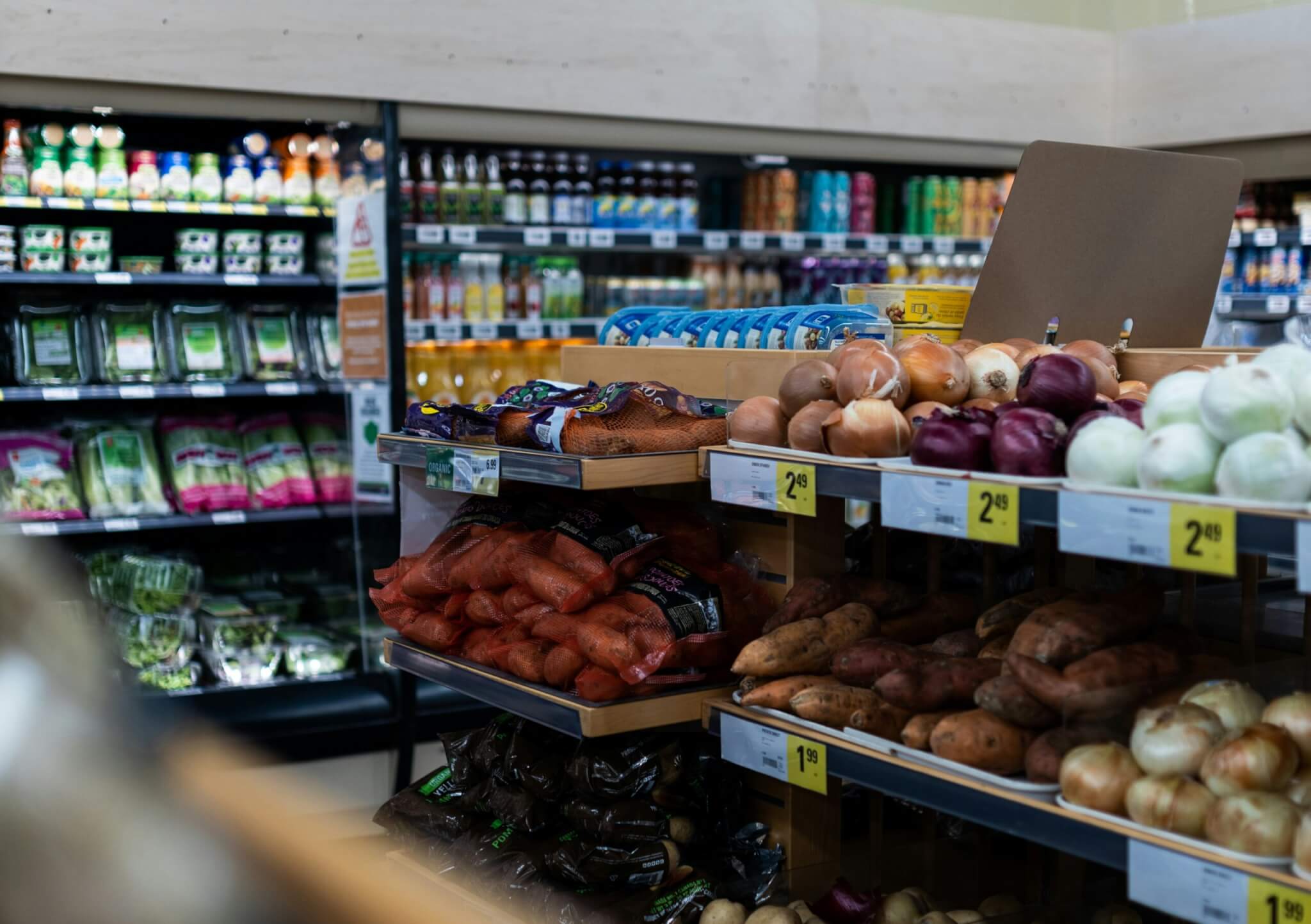
The price of my fruits dropped accordingly, still eye-watering but not jaw-dropping. Today, there is no avoiding the fact that food has become more expensive. Regular readers of Wicked Leeks, and regular buyers of sustainably-produced goods, will understand more than most the reasons why (spoiler: it is not just because of global conflicts and packaging laws, as the supermarkets tell us).
Whether politicians understand – as I noted last week – is moot. Which is why this week’s speech by Zack Polanski drew my attention. Highlighting the recent hot, dry spell of weather here in the UK, the Green Party leader explained how within 25 years we could see temperatures rising above 40°C.
“That doesn’t just mean more people getting sick from extreme heat, or more pressure on infrastructure that just isn’t built for these temperatures,” he told the Bakers, Food and Allied Workers Union on Monday. “As many of you in this room well know, it has terrifying implications for the most fundamental need we all have – food.”
Terrifying in many ways, including the prices you pay at the till, online, or at the farmers’ market.
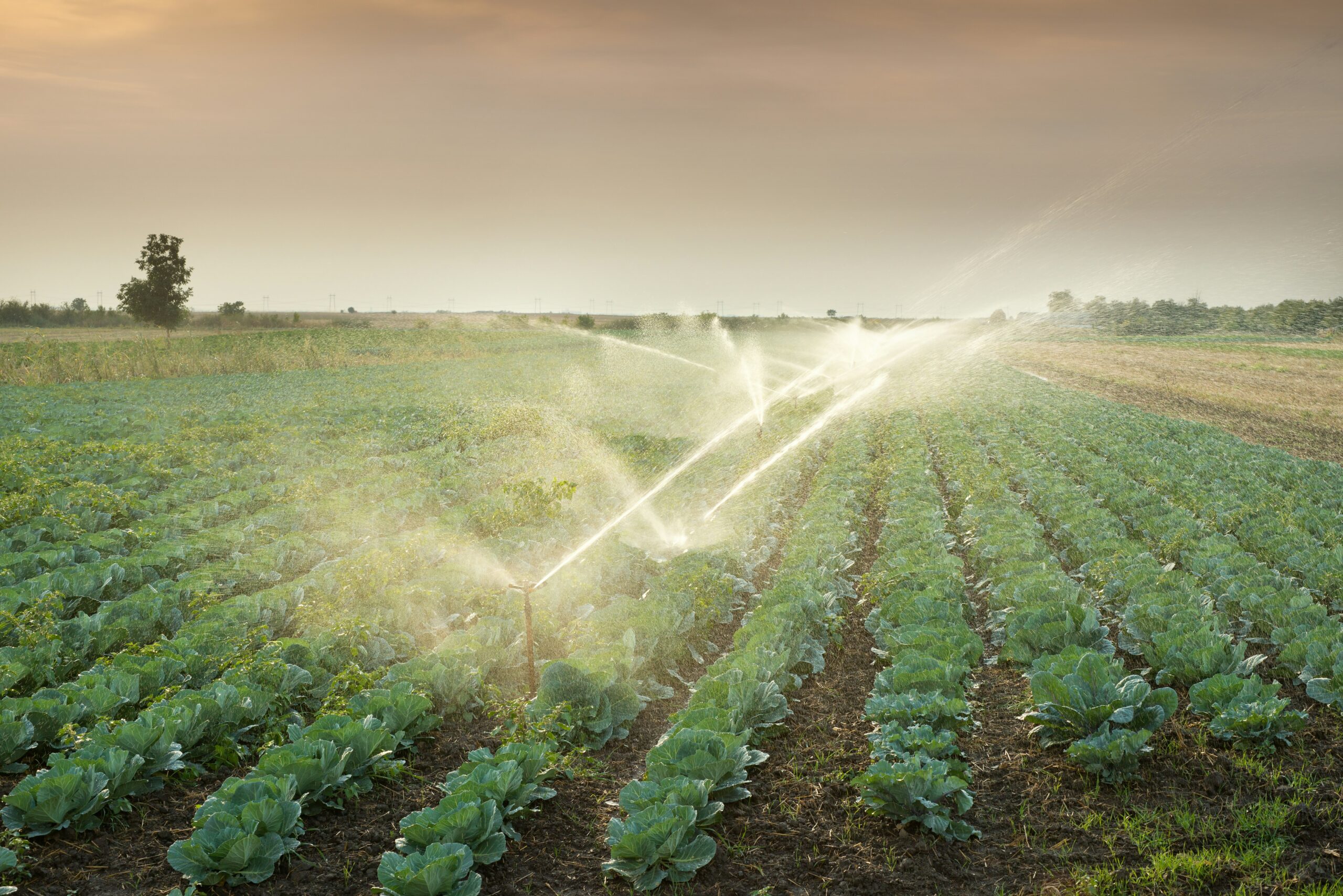
Indeed, heatwaves are projected to add around 11% to the price of the UK’s top 20 fruit and vegetables by 2035 and around 68% by 2050 under a “high emissions scenario”, on top of normal inflation, according to a new report by the Autonomy Institute this week. The price of imported tropical fruits such as melons, oranges, bananas, easy peelers and grapes will rise 12% to 14% by 2035 and 80% to 93% by 2050 on these climate grounds alone.
“Compounded with estimated normal inflation, total average shelf prices of the overall basket of fruit and veg will reach upwards of 170% above today’s level by 2050,” wrote authors Will Stronge and Luiz Garcia, adding: “Climate change is on course to make fresh fruit and vegetables unaffordable for many across the next two decades as it disrupts the production of UK’s imported and domestic produce.”
And that is just based on heatwaves. Floods, soil erosion, nutrient loss, biodiversity loss, pollution, geopolitics and many other impacts will only exacerbate the problems, further exposing this broken system.
Despite these warnings, political parties in the main continue to apply the ‘leave it to Tesco’ rule to food policy. Look where this has got us: every little drop squeezed, with climate, nature, producers and people paying the price. And it is not just supermarkets: fast food chains are to blame too, as is the government – its food procurement rules for hospitals and schools etc, are not adequately funded or regulated.
Polanski accused the government of “just not getting it” when it comes to the crisis facing the UK’s food system, as he called for “a real plan” to boost British food production and support customers struggling to afford food. The bones of just such a plan – The UK National Food Strategy – were published last year, but politicians fear adding any flesh while food prices remain in the headlines.
Farmers need more support to adapt to a changing climate and ensure UK food growing is more resilient, Polanski said. There should also be a “£15/hour minimum wage for all workers” to tackle the cost of living crisis. Whether it’s those serving pasties to hungry commuters, fruit pickers and packers, or bakers up at the crack of dawn – they all need more dough to reflect the importance of their work, according to Polanski. And needless to say, stronger regulation of supermarkets is essential to ensure farmers “get a fair deal for their produce”.
The Right’s wrong
The speech garnered a sprinkling of coverage – and nothing like the amount this topic merits. The Spectator’s gossip columnist ‘Steerpike’ poked fun at Polanski’s call for “the cost of supermarket goods to rise. To be fair, the Greens are favoured among metropolitan middle-class wokies who could no doubt spare a few more pounds for market veg. As for the rest of the country… Mr S wishes Polanski the best of luck with his new policy pledge to make food pricier. What a lemon.”
The solution instead being, what? I imagine it is to close one’s eyes, cover one’s ears and say ‘la la la la’ … and to leave it up to Tesco.
Polanski drew further ire from the Right as he recalled a friend’s excitement at paying just 7p for some veggies. “That is not a sign of a healthy system …” Polanski said, “someone is being exploited somewhere and if you are paying 7p for vegetables then something is not right”.
Suggesting food is ‘too cheap’ during a cost-of-living crisis when the average basket of produce is anything but, is brave. But in Polanski we may, finally, have a party leader who is not in ‘la la land’ when it comes to the food system crisis we are in, and the uncomfortable truths of turning things around. Indeed, we are not ‘facing this’ crisis, we are ‘in this’ and in danger of finding ourselves with no way out, far sooner than we might imagine.

Kudos to Mr Polanski for telling it like it is. There are many new realities we have to face up to and paying a fair price for good food is just one of them. The proportion of our income spent on food has halved over the last 60 years (https://blog.ons.gov.uk/2018/01/18/celebrating-60-years-of-family-spending/) but of course housing and other costs have increased enormously, The super rich sucking up all the wealth…