GET THE DIGITAL DIGEST

Sign up to receive the key stories in food, farming + fairness, direct to your inbox, every Friday.

Wicked Leeks logo

Food, Farming, Fairness.

  • News
  • Opinion
  • Features
  • Resources
  • Riverford
  • About Wicked Leeks

Hot topics

  • Farming
  • Animal welfare
  • Politics
  • Regenerative farming

All topics

  • Activism
  • Agroecology
  • Agroforestry
  • Biodiversity
  • Brexit
  • Business
  • Cartoon
  • Christmas
  • Cities
  • Climate change
  • Community
  • COP26
  • Cost-of-living
  • Culture
  • Dairy
  • Diets
  • Diversity
  • Eating and drinking
  • Eating out
  • Education
  • Employee ownership
  • Energy
  • Environment and ethics
  • Ethical business
  • Events
  • Fairtrade
  • Fashion and beauty
  • Fish
  • Flexitarianism
  • Flowers
  • Food waste
  • Foraging
  • Grow your own
  • Growers and suppliers
  • Guy Singh-Watson
  • Health
  • Inequality
  • Land ownership
  • Local sourcing
  • Meat
  • Mental health
  • Nature
  • Net zero
  • News from the farm
  • Organics
  • Packaging
  • People
  • Pesticides
  • Plant-based
  • Plastic
  • Podcast
  • Price
  • Recipes
  • Recycling
  • Renewable energy
  • Rewilding
  • Seasonality
  • Seeds
  • Shopping
  • Social justice
  • Soil
  • Summer
  • Supermarkets
  • Sustainable Food Series
  • Technology
  • The big interview
  • Travel
  • UK Gov
  • Veg hacks
  • Veganism
  • Water
slider image
Features

Agrivoltaics – is it time for farmers to engage with the renewables revolution?

The practice of using the same land for both solar power and farming is being rolled out successfully around the world. So why's the UK lagging behind, asks Nick Easen?

Energy Farming Technology
slider image
Features

A return to the whole foods our grandparents recognise

From frugal, glycine-rich cuts of meat, to better protein & fibre sources, Hannah Neville-Green explores what's driving a collective shift away from Ultra Processed Food

Eating and drinking Health Diets
slider image
Features

Farming’s big plastic problem – and emerging solutions

A study of soil taken from 100 British farms found microplastic contamination at every site, writes Nick Easen

Environment and ethics Farming Plastic
slider image
News

Poison for profit – EU exports 122,000 tonnes of banned pesticides

44 Highly Hazardous Pesticides, banned for EU use, are still being shipped to the African continent

Environment and ethics Pesticides
Opinion

News from the farm: Closing the gap

Foraging Environment and ethics Farming News from the farm
Features

Agrivoltaics – is it time for farmers to engage with the renewables revolution?

Energy Farming Technology
Features

The growing alliance between Big Tech and Big Ag and how it’s shaping what we eat

Farming Technology
STORY OF THE WEEK

Under the banner of innovation, tech giants are consolidating control over agriculture and biological heritage, sidelining the farmers who already grow our food in sustainable and resilient ways Lim Li Ching, IPES-Food co-chair

News

Who owns England? New plans make it a lot easier to find out

Land ownership Activism Environment and ethics
Opinion

News from the farm: Slurry, spring-sown stars, and feeding you all

Agroecology Farming Guy Singh-Watson News from the farm
Features

The pernicious problems fuelling the rise in food prices

Cost-of-living Eating and drinking Farming
News

The AGtivist: McDonald’s urged to do the right thing, as future of Amazon hangs in balance

Activism Environment and ethics Politics
WL Meets

WL Meets: Daniel Iddon on why farmers need fungi

Agroecology Farming Soil
News

The AGtivist investigates illegal shellfish activities linked to E.coli & seabed damage

Environment and ethics Eating and drinking Fish
News

83% of UK households choose organic as market growth outpaces non-organic

Supermarkets Eating and drinking Organics
Features

Subsidised biogas from maize is damaging the UK’s food & farming systems

Environment and ethics Farming Renewable energy
About us

Find out more about Wicked Leeks and our publisher, organic veg box company Riverford.

Get in touch

Are you farmer, producer or journalist with a story to share? Drop us a line here.

Resources

New + Noteworthy books, blogs, podcasts + more that are making waves in the worlds of food, farming + fairness.

wickedleeksmag

FOOD, FARMING, FAIRNESS. Wicked Leeks is a digital news channel joining the dots between food, farming & people, published by @riverford ⬇️SUBSCRIBE

Just 1% of England’s population owns half of its l Just 1% of England’s population owns half of its land. Until recently, understanding precisely who owns what – obscured by paywalls and muddled by a lack of maps – represented an all-but-impossible challenge. 

But in March, writes @hannahmarshwrites as part of its new Land Use Framework for England, the UK government announced new plans to open up its Land Registry. If the plans are delivered, it’ll be far easier to find out who owns land across England and Wales. 

@guy.shrubsole a writer, environmentalist and activist, who co-founded Right to Roam, has campaigned for more transparency around land ownership for 10 years, since starting his blog, Who Owns England a decade ago. 

“I’m elated – very excited about it!” he says. 

Guy became interested in the issue of land ownership in the aftermath of Brexit, when the narrative from the Leave campaign had been hooked on the catchy notion of ‘taking back control’. 

“I was like, well, I’d be really interested in working out who does actually control the most fundamental thing in this country, which is who owns the land, who has the control of wealth and power, because land is clearly very much related to that, and has been throughout English history.” 

It was a daunting task. Guy explains that currently, it costs £7 to view a single land title register – “The price of an expensive London pint,” – and that with 24 million land titles registered, it would cost an interested person, or organisation, £168 million to piece together that information. Until now, it’s been a painstaking case of detective work, sifting through information, and following paper trails to track down names of landowners that are sometimes tucked away in obscure places, such as maps that detail farm and heritage subsidies. 

It’s through this line of enquiry that Guy came to his conclusion that 50% of England is owned by just 1% of its population – and he admits that’s likely a conservative estimate. The new policy will certainly make access to this information quicker, clearer and more accurate. 

Read the full feature on Wicked Leeks, via the link in bio. 📸 @emmastonerphotos
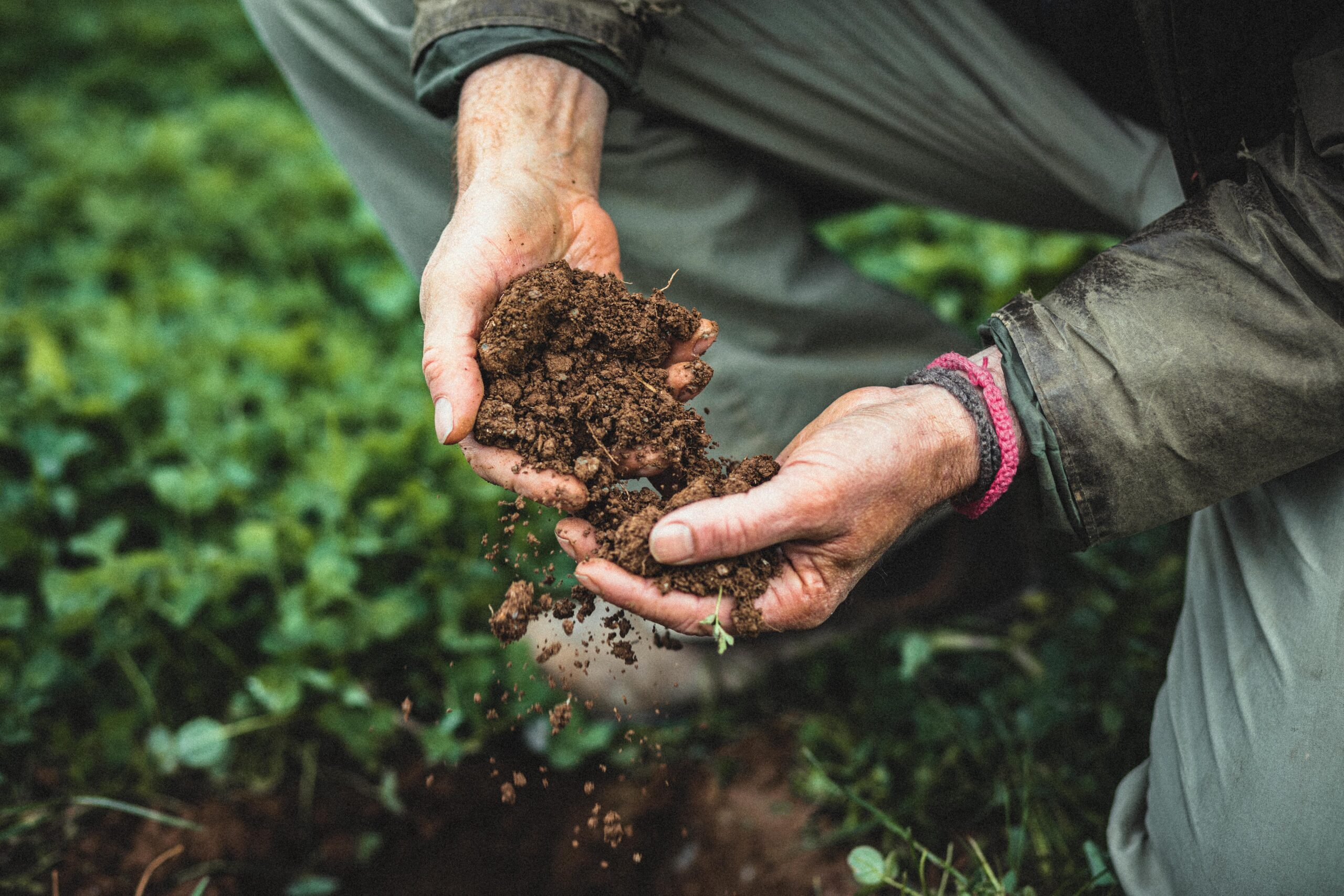
Ignore fungi at your peril, writes Nick Easen. Mos Ignore fungi at your peril, writes Nick Easen. Most of our crops – whether they’re plant, bush or tree – depend on them for vital minerals. Beneath the ground they create a symbiotic web of life that connects our soil with the very roots, tubers and vegetation that we consume. Our human health very much depends on mycological vitality. Yet our interest and knowledge of fungi is still in its infancy. 

“The problems that a golf course, a premiership football club pitch, a farmer growing strawberries, or a landowner foresting land have are all the same – they just don’t realise it. It’s an issue with soil health and I would go further and say it’s an issue with fungi health,” says Daniel Iddon, the founder of Re-Genus. 

The former Formula 1 engineer is on a crusade to repopulate British soils with fungi. Decades of fertiliser, insecticide and fungicide overuse have decimated the biodiversity in the earth that helps put food on our table. Crop yields have gone down, so has soil fertility; just like human gut health, a lack of good bugs in the microbiome is bad for us and bad for our soil. 

“One of the things we’ve found in every single one of the analyses we’ve done over the last five years is that British soils are missing sufficient fungi, which is a fundamental problem. This is especially true with intensive agricultural fields. If you’ve got millions of fungi they hold onto nutrients and essential minerals in the ground; they hold onto water, as well. They also aerate the soil. If there aren’t enough fungi these elements just run off and fuel water pollution,” states Iddon. 

The UK has a catalogue of ongoing ecological crises that can be linked to such phenomena, whether its Lough Neagh in Northern Ireland, the River Wye in Herefordshire or Windermere in the Lake District. Across these catchment areas, algal blooms have decimated wildlife, partly due to agricultural run-off from synthetic fertiliser use in farmers’ fields.

Read the full feature at Wicked Leeks via the link in our bio.
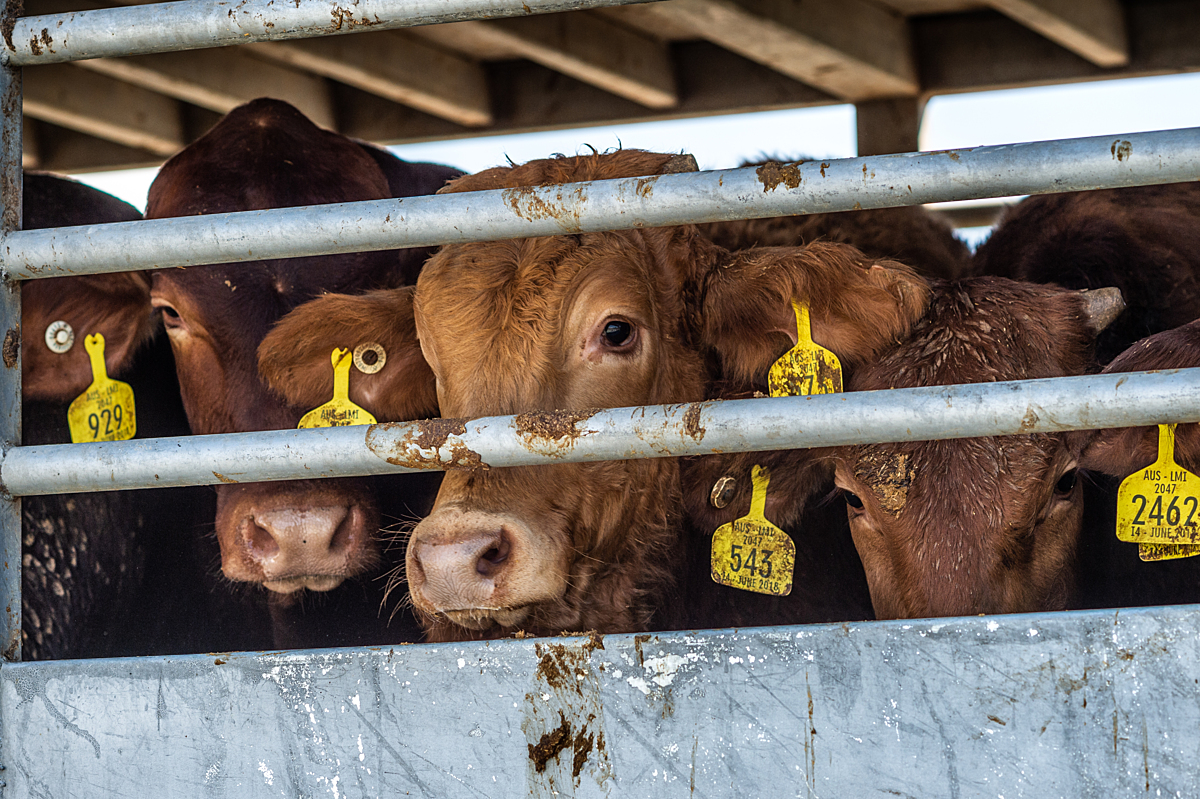
Over the years, the AGtivist has reported time and Over the years, the AGtivist has reported time and again on the often-tragic environmental impacts of industrial farming, with scandal after scandal implicating swathes of our global food machine. But news now emerging from the world’s largest rainforest, the Amazon, dwarfs much of this data, and threatens potentially catastrophic consequences. 

The mighty Amazon is around 6.7 million square kilometres in size – approximately twice the size of India – and a key buffer against climate change, acting as a vital carbon sink, absorbing more carbon dioxide than it releases. But like so many other forests globally, the Amazon is under sustained assault from a barrage of threats, including agriculture. When rainforests are cleared – whether being burnt or chopped down – to make way for beef ranches or crop plantations or other developments, carbon sinks are effectively obliterated, and the farming that often replaces trees can result in even greater carbon emissions. 

Disturbingly, the future of a landmark agreement designed to protect the Amazon forest from deforestation is currently hanging in the balance after a number of major commodity traders abandoned the Amazon soy moratorium.

The moratorium, which was until recently supported by all significant grain agribusinesses, was created as a voluntary agreement between soya traders, industry groups, and environmental campaigners to ban the purchase or finance of soyabeans grown on Amazon land deforested after 2008. 

The initiative was set up following an international outcry over forest destruction linked to global chicken meat supply chains, with poultry found to be fed soya traced back to the forest. The agreement is widely credited with dramatically reducing forest loss linked to soya cultivation.

Read the full feature on Wicked Leeks, via the link in our bio.
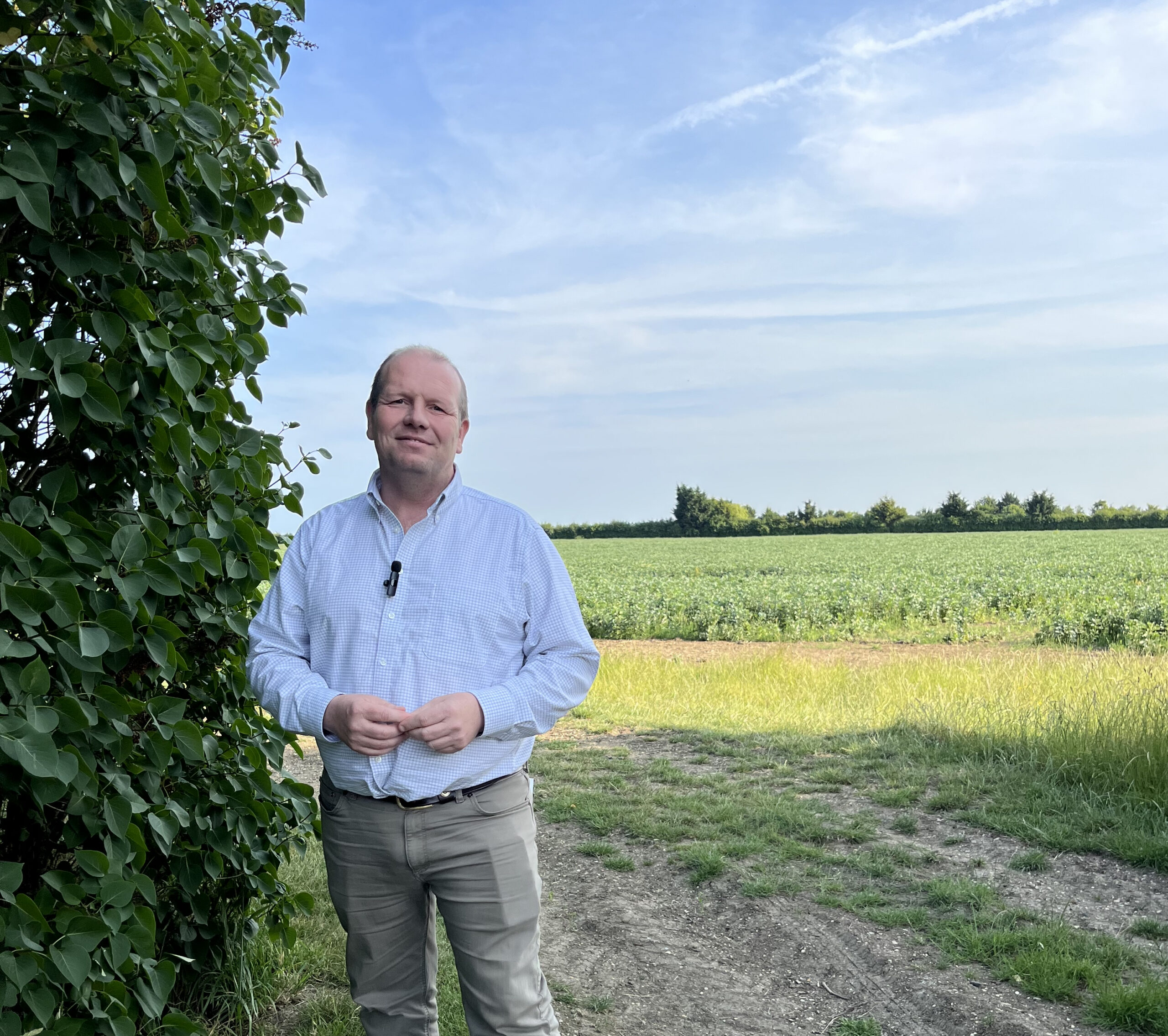
Stuart Oates is a seventh-generation farmer; his f Stuart Oates is a seventh-generation farmer; his family have been at Rosuick Farm on the Lizard Peninsula since the 1700s. They went organic nearly 20 years ago, before it became popular and they’ve also had a camel trekking business. Going against the grain is in the Oates’ blood. Now they’re considering what fossil fuel-free farming might look like. 

“Throughout my childhood we were always the weird family trying to do things differently. I think that’s where a lot of farmers struggle, to be the odd ones out… but not us,” smiles Stuart. 

“When I started thinking about more sustainable farming and looking at the root cause of our environmental problems, as well as destructive food systems, intensive monocultures, or the way we rear animals, I found that the main problem was our dependency on fossil fuels.”

Today, it’s extremely difficult for UK farmers to ditch petroleum completely. Yes, organic farming removes synthetic fertilisers and pesticides, many of which rely on hydrocarbons for their formulation. Then there’s the fuel needed for machinery, the plastic wrap for bales, polytunnels and countless containers, removing fossil fuels from farms is no easy task. 

“When I first started looking at how we could achieve this on our own farm or even at a global scale I thought it wasn’t possible. Maybe we would only be able to achieve 20 percent. But after more research and travel I now believe going fossil free can work. There are so many opportunities from nitrogen fixation in plants replacing fertilisers, to the greening of transport on and off-farm,” states Oates.

Read the full interview with Nick Easen on Wicked Leeks via the link in our bio.

About us

Wicked Leeks is published by Riverford Organic Farmers.

Riverford organic farmers

Riverford grows and sells organic food through its award-winning veg boxes, delivering across the country to a loyal band of customers who share a passion for good food, good farming and good business.

learn more

Get the Digital Digest

Sign up to receive the key stories in food, farming + fairness, direct to your inbox, every Friday.

Instagram icon Facebook icon Youtube icon Email icon

Navigate

  • News
  • Opinion
  • Features
  • Films

Most read

  • Farming
  • News from the farm
  • Environment and ethics
  • Eating and drinking
  • Climate change
  • Ethical business
Wicked Leeks

© Riverford Organic Farmers Ltd

Contact Us Cookie Policy Website by Plinth

Stuck for ideas? Try these hot topics!

Farming Animal welfare Politics Regenerative farming