
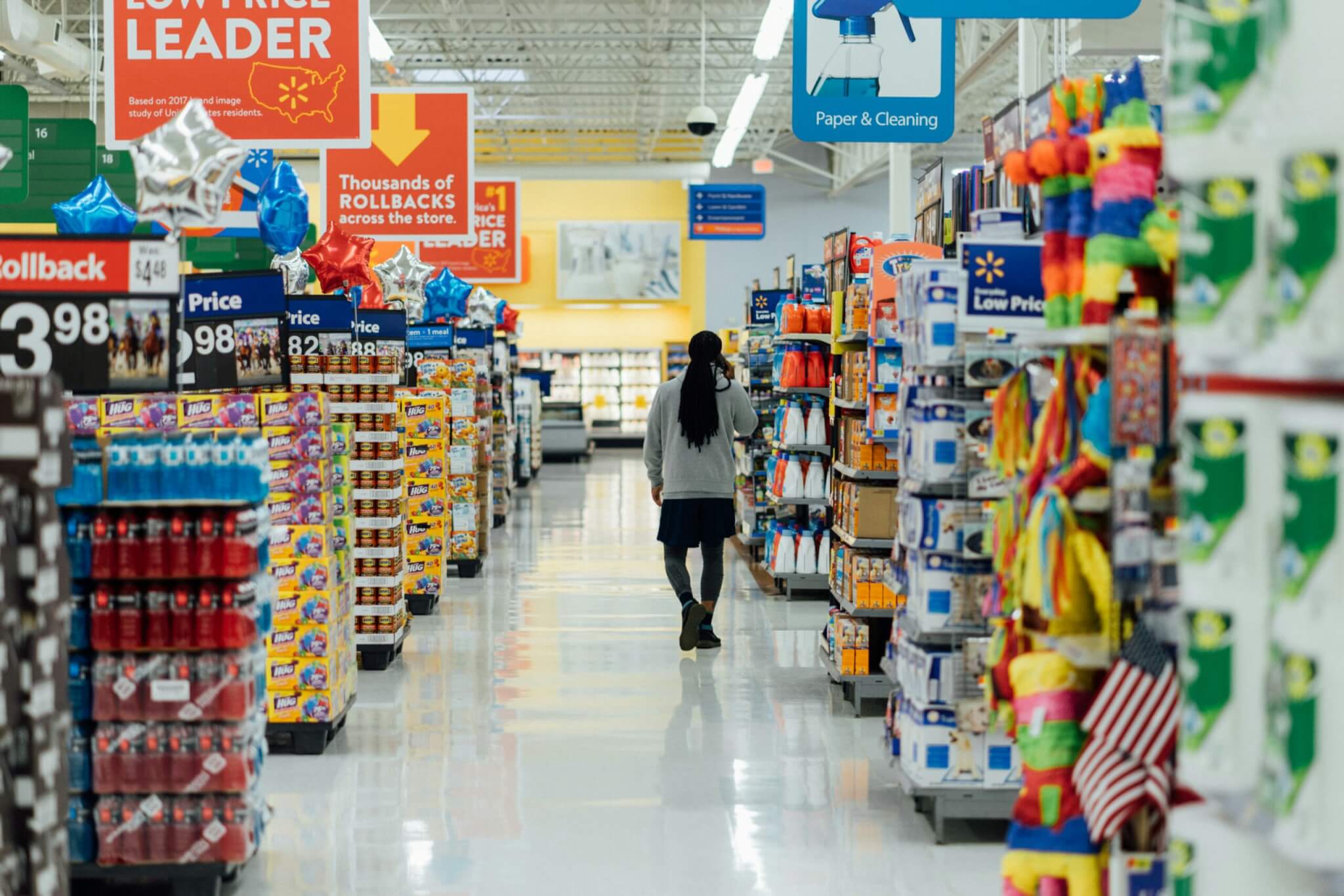
The UK Treasury wants supermarkets to introduce voluntary price caps on key groceries in return for lifting some regulations – including those relating to more sustainable packaging.
This was the exclusive splash in the Financial Times this time last week (May 19 2026), as the paper reported on the Government’s “desperate” attempt to keep prices low for families.
The article reads: “UK food inflation rose to 3.7 per cent in April, and the foreign secretary, Yvette Cooper, has warned the world is ‘sleepwalking into a global food crisis’, with the Middle East war throttling supply chains.”
The Treasury has also reportedly told supermarkets that it would like guarantees that British farmers would not lose income from shop price caps.
Some 24 hours later and the plans had seemingly been shelved. “UK chancellor Rachel Reeves has backed away from a radical proposal to cap the prices of essential groceries after a fierce backlash from supermarkets,” the FT reported.
Whether Reeves understands the commercials of supermarket pricing is debatable. Whether she understands how we arrived here, why and what to do about it, is not.
Wave, after wave
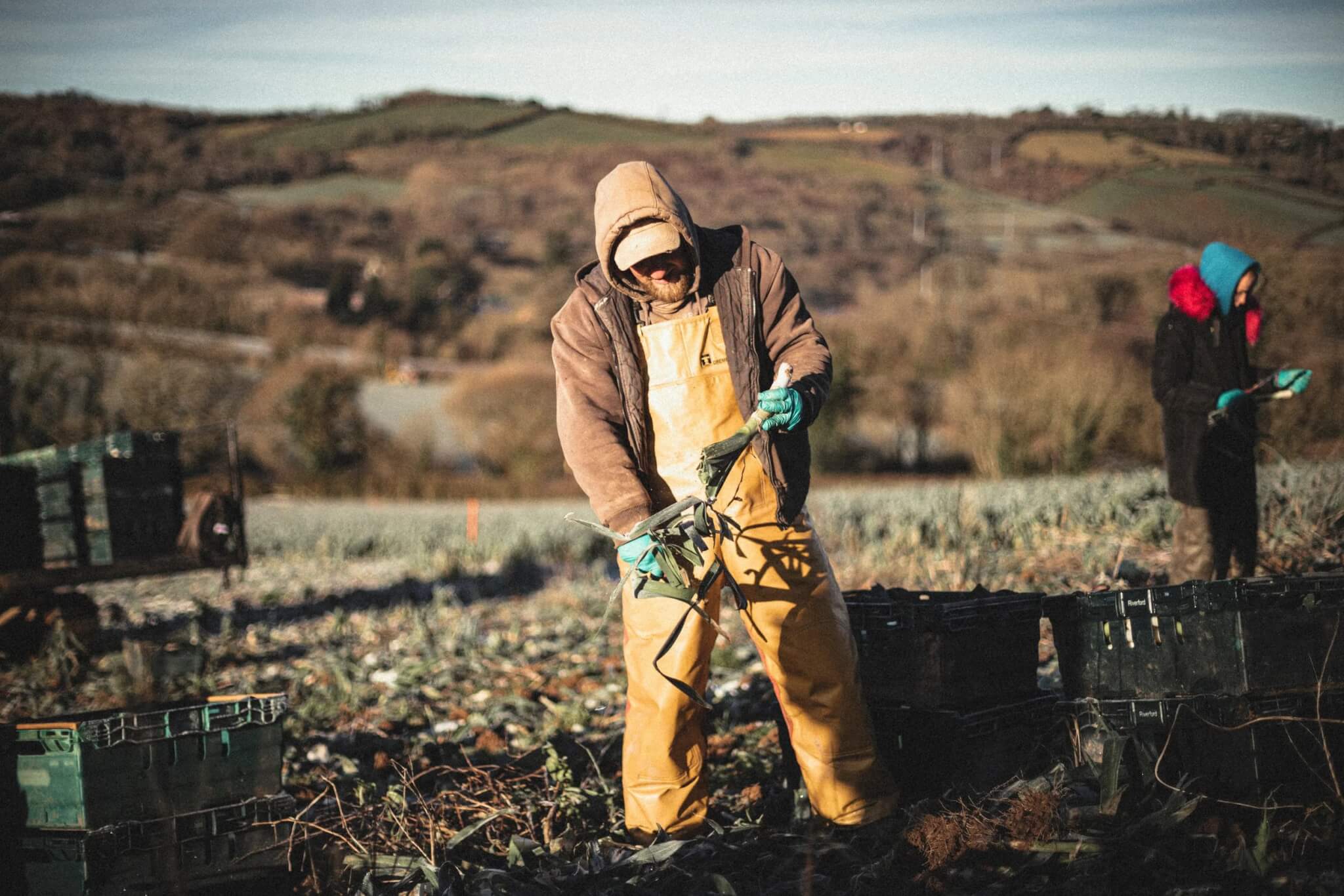
This food system crisis has not crept up on us. It has been decades in the making. Governments past and present have tried to ignore the facts, even as they turned up on our doorsteps. Indeed, sitting in the back garden this weekend many of us may have been lifted by the sunshine, but unexpected and extreme weather is the enemy of our farmers now – and not just those in far-flung places that were hit by climate change first. Crops fail and livestock perish.
Wicked Leeks has reported on the UK’s collective failure to prepare: to adapt and of course to mitigate. The cost of burgers for the Saturday barbecues are testament to this. Yet there is more to come, even if the Iran conflict is resolved sooner rather than later.
“As climate change and energy volatility worsen, shocks are likely to become more frequent and more severe,” said Henry Dimbleby, former lead of the government’s National Food Strategy. “Unless we cut our reliance on fossil fuels, diversify supply chains and build real resilience into food production, higher food prices will become a lasting feature of daily life – with the heaviest burden falling on those least able to bear it.”
Complaints that rising food prices are because of the Middle East conflict or long-awaited laws to ensure supermarkets and food companies use packaging that is actually recyclable (so-called extended producer responsibility) ignore the changing climate as a factor. But this is the inconvenient truth.
Indeed, it was interesting to read the BBC’s food price analysis: ‘Six eggs used to be £1’ – Why everyday essentials cost so much more now. The experts the BBC spoke to said eggs, for example, had risen to £1.80, on the back of a “‘perfect storm’ of increased costs for raw materials, energy, labour costs and even changes to packaging regulation that has made these essentials more expensive”.
This ignores the climate change factor, here, which casts a sizeable shadow over all of this. “In England, we’ve had three of the worst harvests on record in the past five years and next year is shaping up to be the hottest globally,” explained Chris Jaccarini, food and farming analyst at the Energy and Climate Intelligence Unit (ECIU), a think tank.
“The only way to stop the growing risk of floods and droughts is to reach net zero and bring the climate back into balance,” he added. “That means cutting our reliance on oil and gas, which would also help shield food prices from the volatile global markets that have helped drive the cost-of-living crisis.”
ECIU has just completed research based on 30 years of UK data showing that when food prices rise during major shocks, they tend to come down only slowly and partially afterwards, leaving households facing a higher grocery bill long after the original crisis has eased.
This “rocket and feathers” effect – where food prices shoot up like rockets but drift down like feathers – helps explain why food prices remain far above pre-pandemic levels even after some of the shocks that drove them have eased. “As the data shows, once prices are up, they’re up – prevention is the only cure,” Jaccarini said.
That does not mean price caps. Nor does it mean a relaxation of green regulations (as Reeves was reportedly offering, and the European Commission has delivered in spades in recent months through its Omnibus package) because these can build resilience, better protect resources, and restore nature. Farming systems that do all that must be backed too.
“Price caps are a blunt instrument that buys political cover in a crisis, if they even get implemented in the first place,” said Rob Kidd, an independent consultant whose clients include Pret A Manger and The Soil Association. “The deeper project is building a food system that doesn’t produce crises in the first place.”
Crises will come again, and again. However, if we are serious about food system resilience then they can be limited. Food can become affordable, healthy and sustainable. As Kidd suggested, this will put policymakers, businesses and us – citizens and consumers – in uncomfortable positions. The status quo has to be shaken up or the shocks will continue, and become more severe.
“The UK needs to stop lurching from crisis to crisis and put a long-term plan for food resilience on a statutory footing,” said Anna Taylor, executive director of the Food Foundation. “If we are serious about making food more affordable, we have to focus on reducing the impact of the next shock, not just responding after the damage is done,” she added.
Taylor was one of a number of experts who this week wrote to ministers calling for the national food strategy to be updated to take account of the risks and prepare the UK for a future of higher temperatures and more severe weather. The FT’s story brought dozens of not-so-thinly veiled ‘we told you so’ comments from experts who have buried themselves in this for years.
You can’t blame them. The warnings have been there, and becoming louder by the month. June marks 10.5 years since the Paris Agreement of 2015 but we still have no joined-up, decisive actions in place. Some politicians and big businesses hope to leave it longer still because net-zero is ‘too expensive’. But doubtless, further delay will cost us all dearly.


0 Comments